



Key Takeaways
- Keep contingency separate from known work and optional upgrades.
- Use the condition survey to identify specific budget risks.
- Review the reserve against unresolved risks throughout the project.
- Approve variations with both their cost and time effects visible.
A renovation contingency budget is money held for uncertain work and conditions that your agreed landed-home scope has not fully resolved. It helps absorb surprises, but it cannot replace a complete estimate or careful investigation. The right allowance depends on what remains unknown about the house and proposed works.
Begin with the full budget structure in the landed interior design and renovation cost guide. Then separate confirmed costs, provisional allowances, owner expenses and contingency so the same risk is not counted twice or accidentally omitted.
The landed renovation cost guide helps distinguish the scope categories before you choose an allowance for uncertainty.
What Published Guidance Recommends
PRDT’s 2026 landed renovation guide suggests a 10%–15% contingency, particularly for older homes. Treat that as a starting rule of thumb from a contractor, not evidence that every project can be protected by the same percentage.
For an illustrative S$300,000 construction budget, those percentages produce S$30,000–S$45,000. A project with poorly understood structural conditions may require further investigation and a different reserve. One with a tightly defined scope still needs a way to manage changes after appointment.
Build a Renovation Contingency Budget Around Real Risks
Create a short risk register before signing the contract. For each unresolved issue, record the concern, proposed investigation, responsible person and next decision date. Examples might include the source of a leak, concealed drainage routes or the condition of a roof element proposed for retention.
Avoid listing every imaginable defect. Focus on uncertainties linked to the actual house and scope, using the professional team’s assessment. A specific question with an investigation is more useful than a large miscellaneous allowance with no explanation.
Identify which risks already have provisional sums in the contract. If an allowance covers the base work but not the possible excess, describe that difference clearly. Otherwise, you might hold too much for one item while leaving another entirely unfunded.
Investigate Before Finishes Hide the Evidence
Ask what the pre-contract condition review can establish and where access limits certainty. Available drawings, visible defects and service inspections can help define the next investigations. Record the limits of each assessment rather than treating a visual inspection as a guarantee about concealed elements.
Where opening-up or specialist assessment is appropriate, agree its scope and timing with the responsible professionals. The purpose is to reduce uncertainty early enough for the design and estimate to respond. A discovery is easier to manage before materials and fabrication have been committed.
Keep findings connected to the design brief. If retaining an element creates a significant repair obligation, compare that option with replacement on the same basis. The landed renovation process guide helps place surveys and decisions in the wider sequence.
Freeze Decisions in a Practical Order
Confirm room functions and major layout decisions before detailed joinery and finish selections. Coordinate plumbing, electrical and air-conditioning requirements before closing ceilings or fabricating cabinets. Each stage should have a clear approval point and a record of what remains open.
Freezing the scope does not mean refusing every useful change. It means recognising when a decision affects work already designed, ordered or installed. Ask for the full consequence before approving the new idea, including associated trades and possible programme changes.
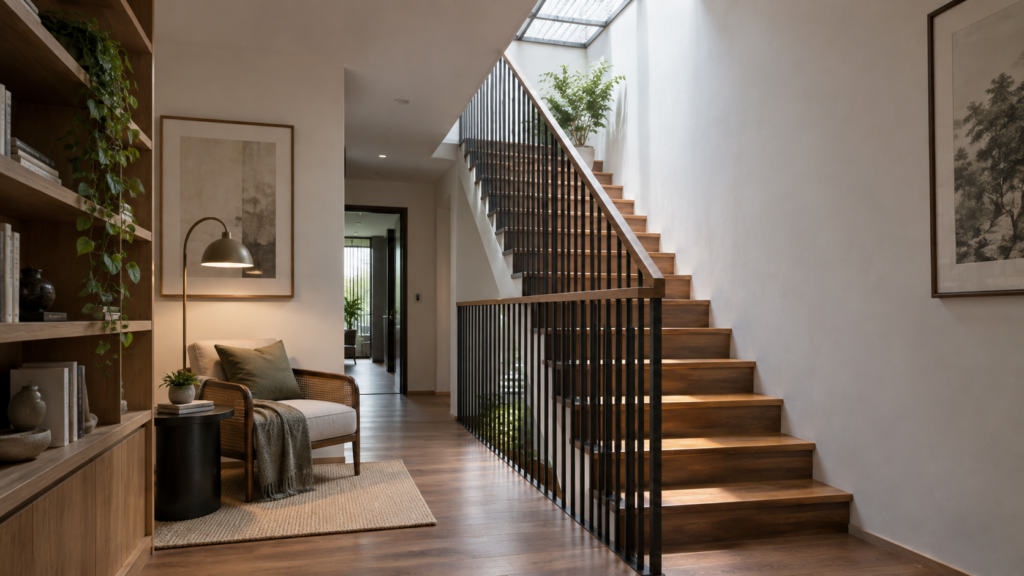
Keep a separate wish list for discretionary improvements. If a feature wall or premium fitting is desirable, price it as an option. Do not silently spend the uncertainty reserve on upgrades while unresolved building risks remain.
Control Variations Without Slowing Every Decision
Agree who can approve changes and which records are required. For each variation, ask for the reason, price, omission credits and time impact. Keep one updated total that includes both accepted changes and any pending items still being assessed.
CASE’s accreditation guidance calls for written agreement to variations before work under its renovation scheme. Use that principle to establish an orderly process with your appointed firm. Clear authority reduces confusion when several family members attend site or discuss changes separately.
The guide to comparing renovation quotations explains how to distinguish fixed work from allowances before signing. That distinction becomes especially useful when deciding whether a later charge is a genuine change or work already included in the agreement.
Review the Reserve Against Remaining Exposure
Do not judge contingency only by the amount left in the bank. Review it alongside unresolved work, pending variations and known owner expenses. A large balance can still be inadequate if major unknowns have not been investigated.
Consider an illustrative S$40,000 reserve after S$12,000 of approved unforeseen work. The balance is S$28,000, but its availability depends on what risks remain. If another unresolved item could require substantial work, the balance is not automatically available for furniture upgrades.
Ask the project team to review the register at agreed milestones. Release or reallocate money only after the relevant uncertainty has reduced. This turns contingency into an active management tool rather than a percentage forgotten after contract signing.
Use a Short Budget Meeting to Make Decisions Early
Set a regular review with the person responsible for project costs. Start with the accepted contract sum, then show approved changes, pending changes and unresolved allowances separately. This prevents a reassuring original figure from hiding commitments made in later discussions.
For each pending item, ask whether a decision is needed now and what happens if it is delayed. A material selection awaiting approval needs a different response from an investigation that has not yet established the repair scope. Keep those situations distinct instead of applying pressure to finalise every number prematurely.
When a proposed change exceeds the remaining allocation, ask for options that preserve the essential function. The team might simplify a finish, revise a detail or defer a discretionary purchase. Document the accepted trade-off so it does not quietly return to the scope in a later meeting.
Give each decision one authorised household contact, with a backup arrangement for absences. Several informal instructions can make it difficult to understand what has actually been approved. A shared written record keeps the design team, contractor and family working from the same budget assumptions.
End the review with a revised forecast rather than only a list of money already spent. Show the expected cost to finish, the risks still unresolved and the reserve left against them. That forward-looking view makes the next choice clearer while there is still time to adjust the scope.
Make Room for the Costs Outside Construction
Temporary accommodation, storage, moving and owner-supplied purchases need separate planning. A longer programme can affect these costs even when construction changes are modest. Keep their assumptions visible and update them when the expected completion date changes.
Before work starts, produce one budget page showing committed costs, unresolved allowances, contingency and owner expenses. Review that page alongside the programme. A clear view of the whole commitment gives you a better chance of acting early when the budget begins to move.
Frequently Asked Questions
Is a 10% Contingency Enough for a Landed Renovation?
It may be a useful starting point, but it is not a guarantee. The allowance should reflect the condition information, proposed scope and unresolved risks. Ask the project team what remains unknown and whether targeted investigations would improve the estimate before relying on a standard percentage.
Is Contingency Part of the Contractor’s Contract Sum?
It depends on how the budget and contract are structured. An owner-held reserve is separate from the contractor’s agreed price, while provisional sums may already sit inside it. Label each clearly and check its purpose so you avoid counting the same allowance twice in your total.
Can I Use Unused Contingency for Better Finishes?
You can reassess it as risks reduce, but a current balance does not necessarily mean the money is spare. Review outstanding investigations, provisional sums and pending variations first. Decide with the project team when enough uncertainty has been resolved to fund optional upgrades without weakening the remaining reserve.
What Is the Best Way to Prevent Renovation Overruns?
Define the scope, investigate relevant conditions and coordinate decisions before construction. Then maintain written variation records and an updated total through the project. These steps cannot remove every surprise, but they help separate genuine unforeseen work from avoidable changes and give you time to adjust priorities.

September 23, 2026
Yang's Inspiration Insight