

Timeless Elegance For Landed Homes
Landed homes offer more space, but also more complexity. From multi-level layouts to zoning, lighting, and material consistency, every decision impacts how your home functions daily.
At Yang’s Inspiration Design, we focus on planning interiors that feel cohesive, practical, and easy to live in, not just visually impressive.
A well-designed landed home is not just about filling a larger space. It’s about structuring that space so every level, room, and transition works seamlessly together.
Compared to condo interior design, landed properties require deeper planning across floors, circulation flow, and functional zoning. Without a clear strategy, even large homes can feel disconnected or inefficient.
We provide end-to-end interior design and renovation solutions tailored specifically for landed properties in Singapore.
We structure your home around how you actually live—mapping out spatial flow, room functions, and movement across multiple levels.
Clear zoning ensures that each area has a defined purpose, while maintaining smooth transitions between spaces. This is especially important in larger homes where poor planning can lead to underutilised areas.
From flooring to finishes, we ensure design consistency across all levels so your home feels cohesive rather than fragmented.
We integrate storage seamlessly into the design, avoiding clutter while maintaining clean and usable spaces.
From planning to build, we manage the full renovation process with structured coordination and quality control.
We structure your home around how you actually live—mapping out spatial flow, room functions, and movement across multiple levels.
Clear zoning ensures that each area has a defined purpose, while maintaining smooth transitions between spaces. This is especially important in larger homes where poor planning can lead to underutilised areas.
From flooring to finishes, we ensure design consistency across all levels so your home feels cohesive rather than fragmented.
We integrate storage seamlessly into the design, avoiding clutter while maintaining clean and usable spaces.
From planning to build, we manage the full renovation process with structured coordination and quality control.
We define layout, zoning, and design direction based on your lifestyle and space requirements.
We align design plans with structural considerations, approvals, and technical requirements.
Our team manages the build process across all areas, ensuring consistency and quality.
Your home is completed, checked, and delivered ready for comfortable living.
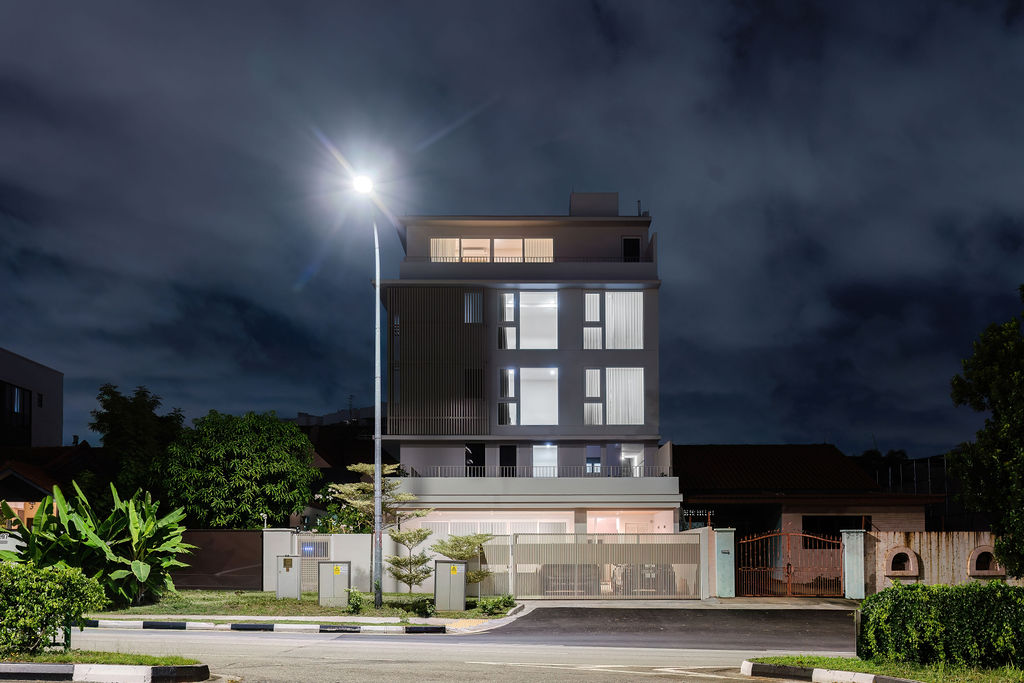
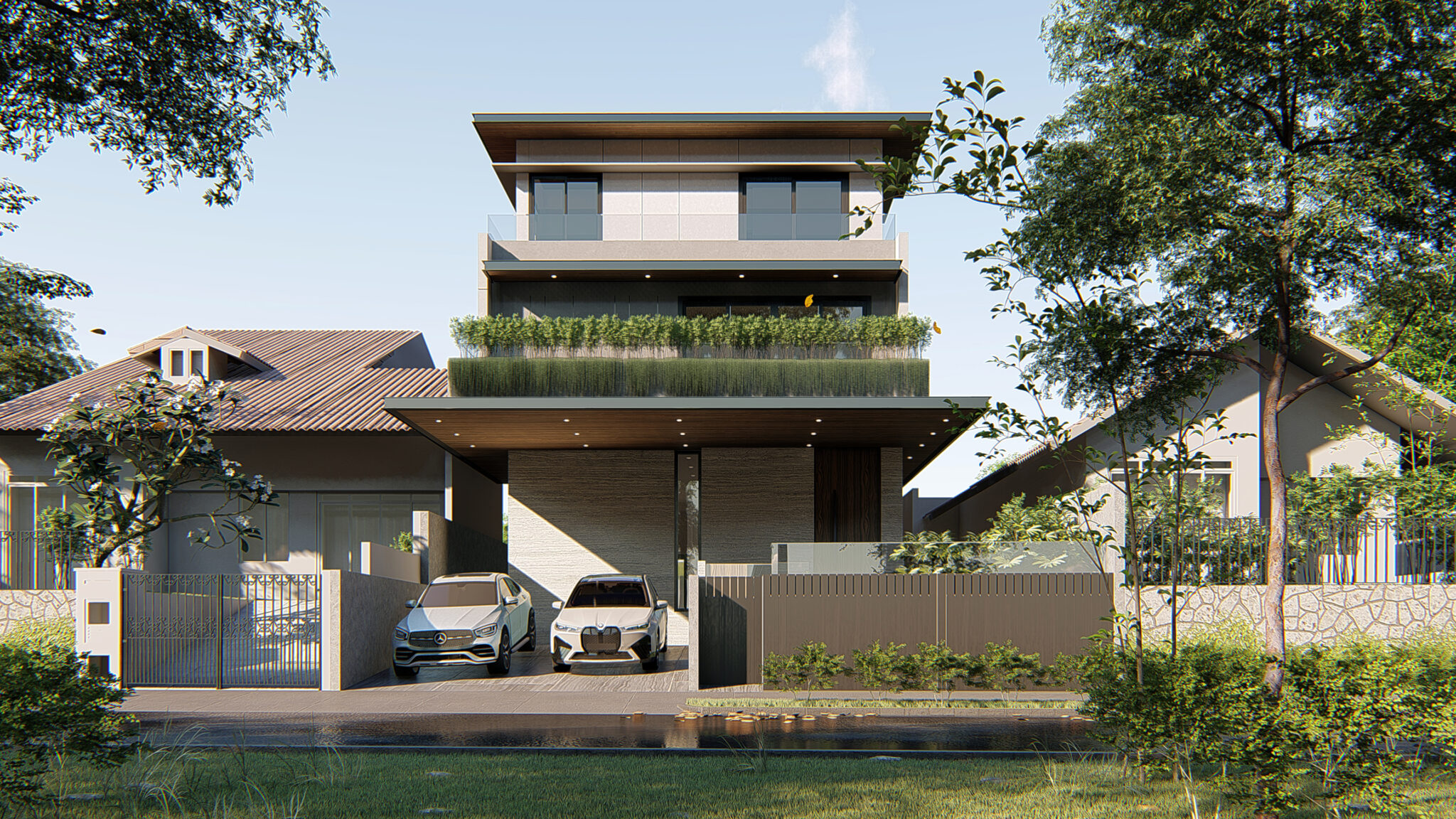
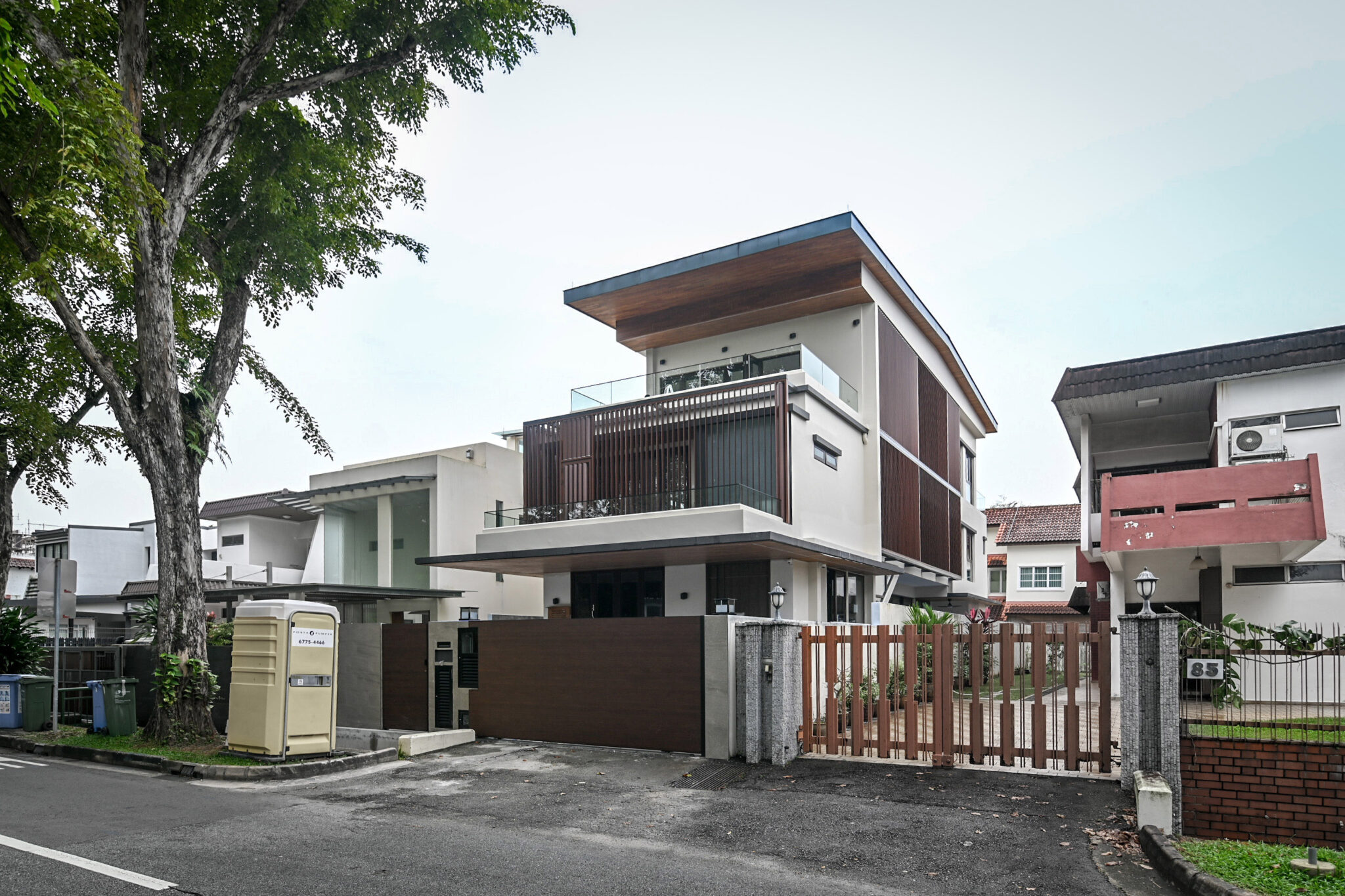
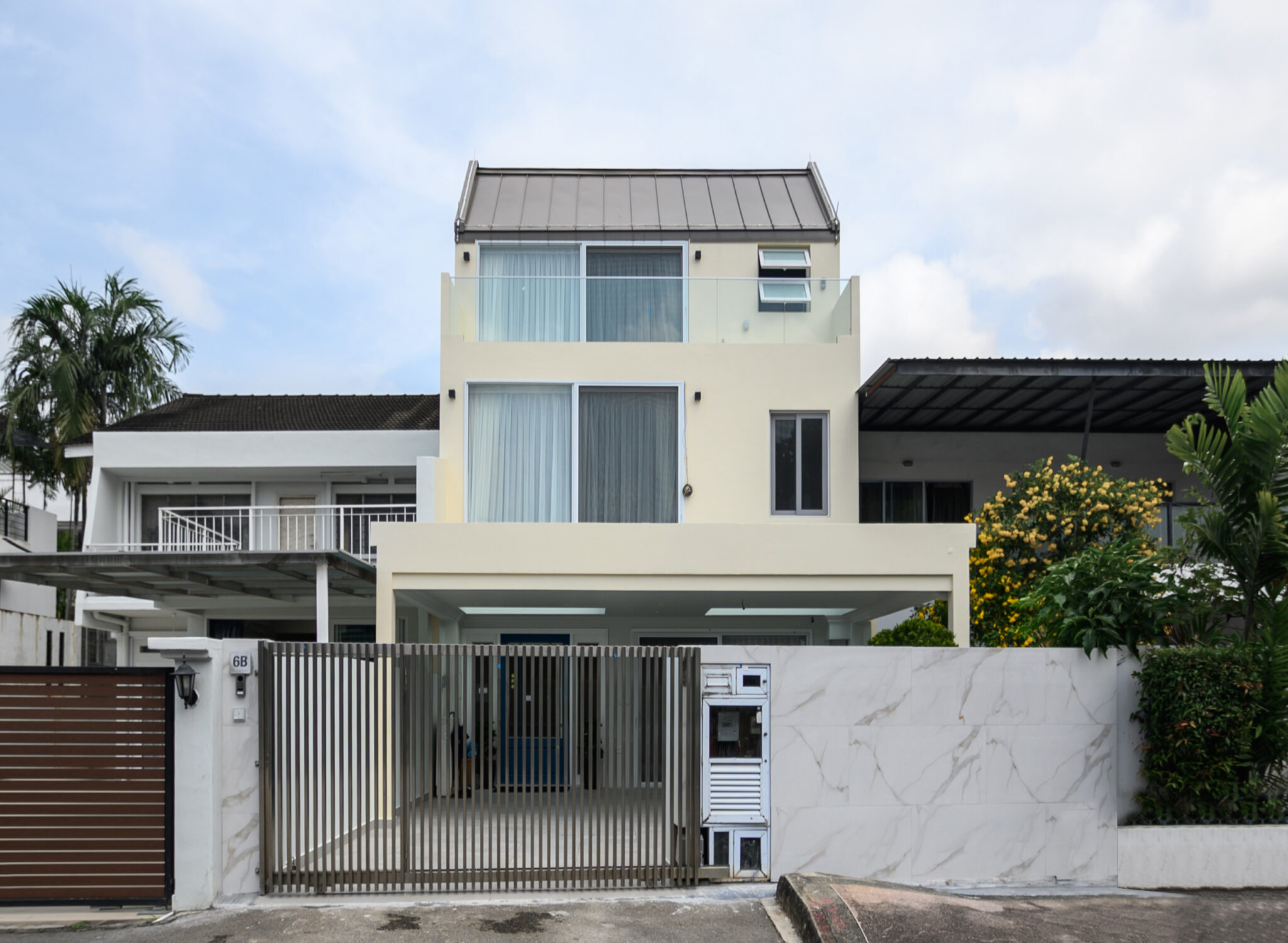
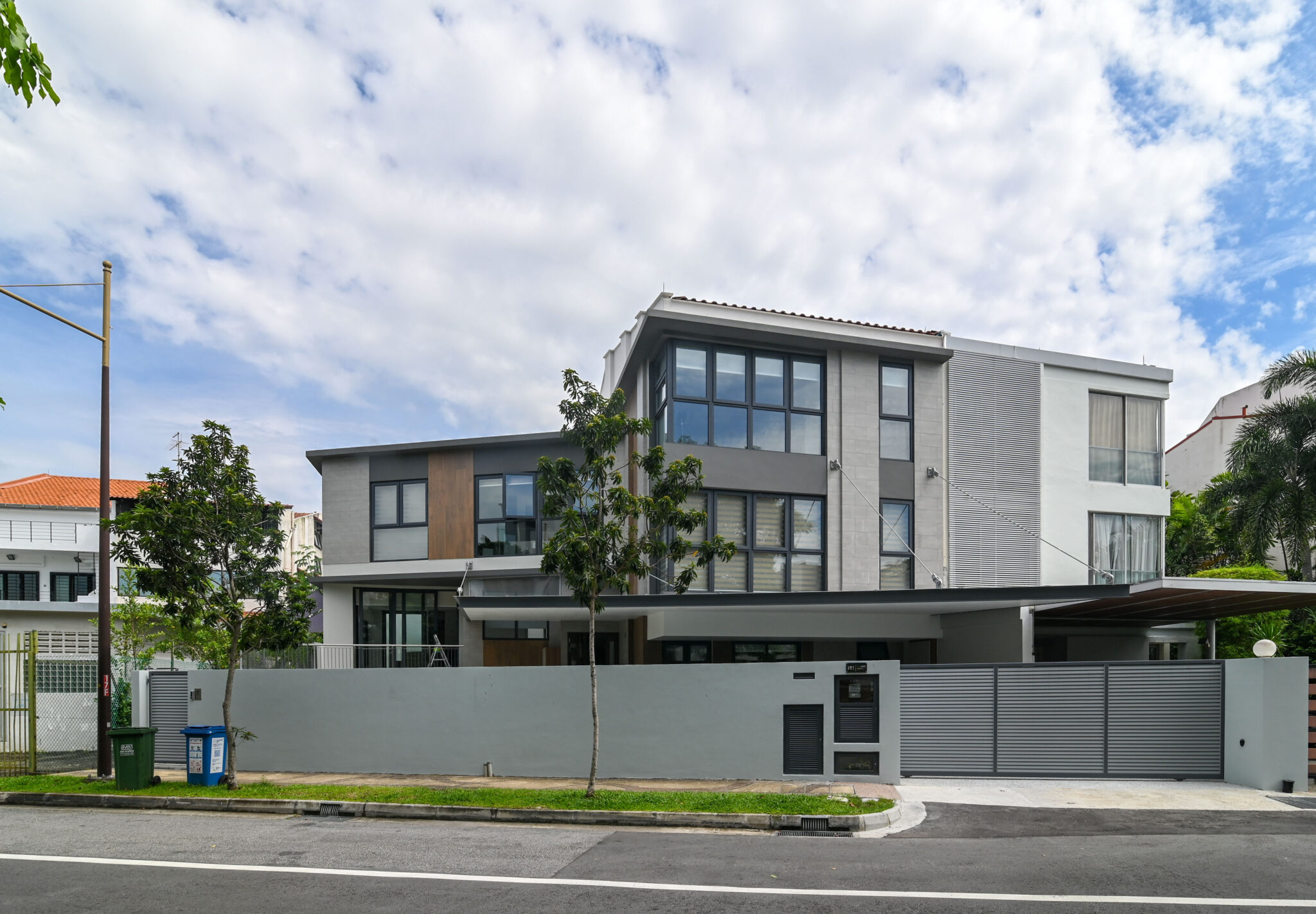
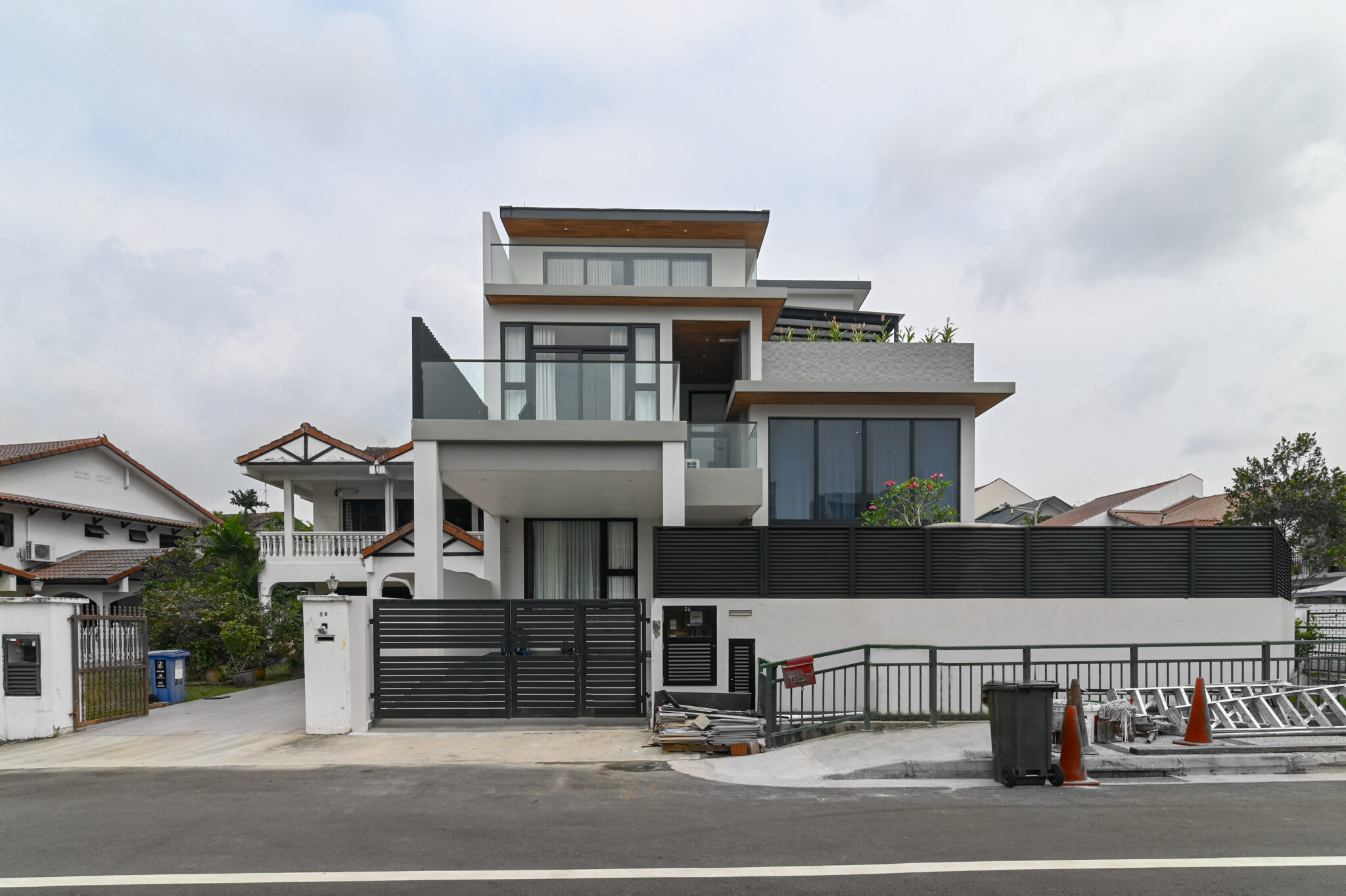
See how we design and execute interiors across different types of landed homes in Singapore, from terrace houses to bungalows.
Each project demonstrates how layout planning, zoning, and material consistency come together in real living spaces.
Designing a landed home requires more than just aesthetics, it requires structure, clarity, and execution discipline.
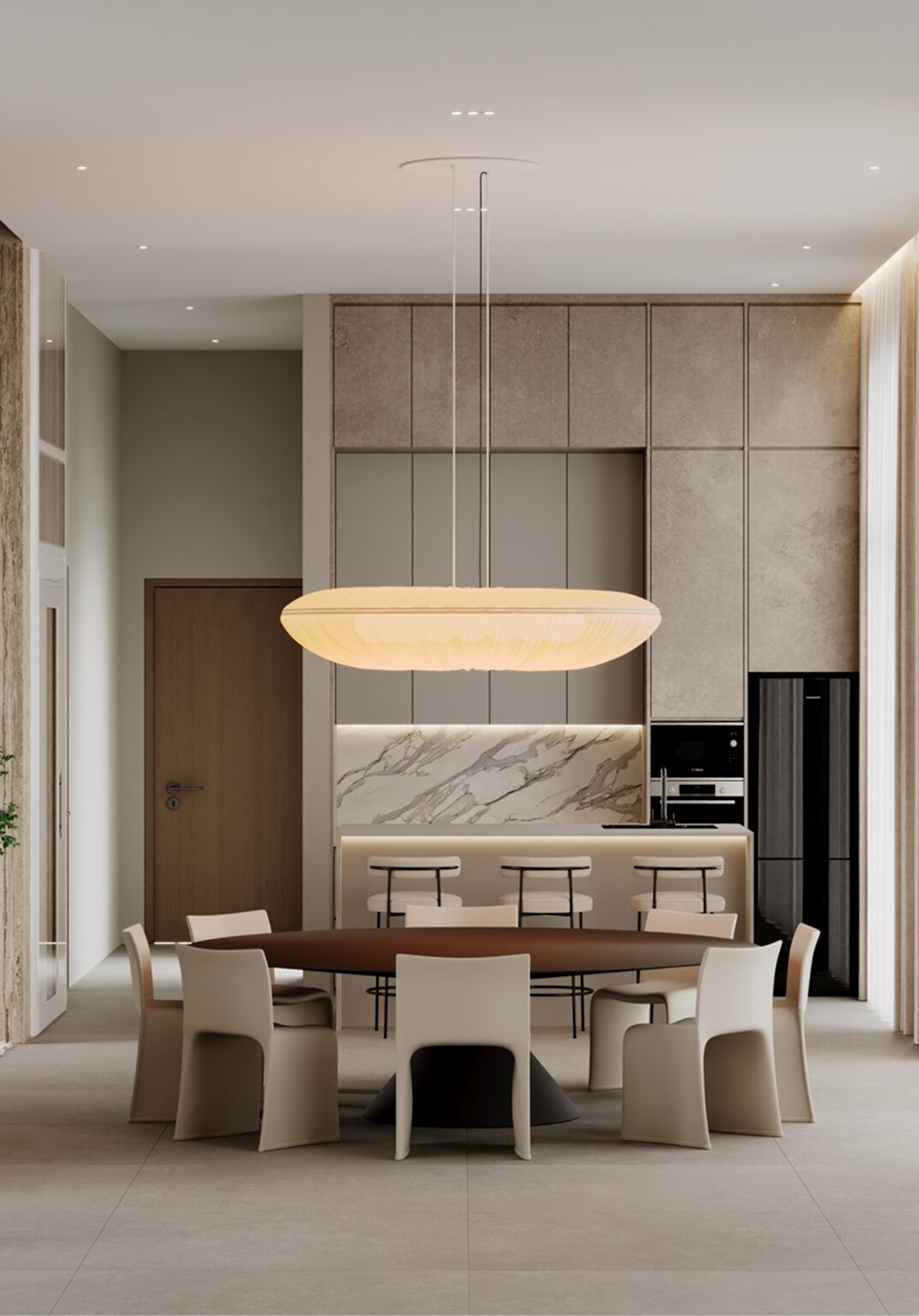
We don’t approach landed homes the same way as smaller properties. Unlike HDB interior design, where space optimisation is the priority, landed homes require balance between openness, zoning, and cohesion. Our design approach focuses on:
The goal is simple: a home that feels organised, functional, and comfortable—regardless of its size.
These questions might be in your mind.
Costs vary depending on the size of the property, scope of work, and materials used. Landed homes typically require a higher level of planning and execution compared to smaller residential units.
Most projects take longer than standard renovations due to scale and complexity. Timelines are determined based on design scope and approval processes.
Yes, we manage all necessary submissions and ensure compliance with relevant regulations.
Yes. Every project is planned based on how the household uses the space, ensuring functionality across all levels.
Let’s create something extraordinarily yours today. Come experience the Yang’s difference today.
By sending this message, you agree that Yang’s ID may collect, use and disclose your personal data, which you have provided in this form.
Residential
Commercial

Yangs Inspiration Design and Yangs Design Associate are two branches of one creative vision. Yangs ID focuses on bespoke residential interiors, while Yangs Design Associate specializes in stylish, functional commercial and office spaces.
Contact Us
2026 © Yangs Inspiration Design Pte Ltd
WhatsApp Us