


Key Takeaways
- Begin discussions before major layout, purchase or construction commitments become difficult to change.
- Separate an early feasibility consultation from a full design appointment.
- Bring the designer and relevant building professionals together when their decisions overlap.
- Work backwards from required decisions, not only from your preferred move-in date.
Deciding when to engage an interior designer depends on which decisions are still open and how much work your landed home needs. Start before you commit to a layout, significant building changes or major purchases that the design must accommodate. For a potential purchase, a limited consultation can clarify your brief, while technical due diligence belongs with suitably qualified professionals.
Early involvement gives the team time to identify conflicts before they become expensive revisions. It does not require you to sign an entire renovation package at your first meeting. Agree the immediate question, the information available and the deliverable you need next.
What BCA Advises Before Buying or Altering a House
BCA's private-property guidance advises potential buyers to engage a competent professional to investigate possible unauthorised building works. It also advises owners to consult a Qualified Person about required clearances for intended works. A design discussion can support planning, but it does not replace these checks.
This distinction affects timing. If your purchase depends on creating a larger kitchen, changing a staircase or extending the house, raise that dependency before treating the proposed transformation as certain. Ask who will assess feasibility and what access or records the assessment requires.
When to Engage an Interior Designer Before Purchase
Use a Consultation to Test the Household Brief
Before purchase, the designer can help you examine whether the available arrangement appears compatible with your family's routines. Discuss bedrooms, multigenerational living, cooking habits, storage and work-from-home needs. A discussion based on available plans can reveal which questions deserve closer investigation.
Keep the conclusions proportionate to the evidence. A sales plan may omit details or differ from the building on site. Ask the designer to distinguish an initial layout idea from a verified proposal. Avoid ordering furniture or assuming a wall can be removed simply because a preliminary sketch shows an appealing option.
Set Limits on Early Paid Work
Ask whether the consultation has a fee, what it produces and whether that fee is credited against a later appointment. The answer should be clear before work begins. An early review might result in a brief and a list of unresolved questions rather than a developed design.
If you are considering several properties, provide the same household priorities for each. This makes the comparison more useful than requesting a different visual concept for every house. Keep the property decision separate from pressure to commit immediately to a construction contract.
Engage Before Layout Decisions Become Fixed
Once the property and scope are sufficiently clear, design work can become more detailed. Appointing the designer before you freeze major room relationships allows storage, circulation and furniture arrangements to influence the plan. These decisions can affect lighting, plumbing and equipment locations later.
For example, a family may want a ground-floor bedroom and a generous dining area within the same limited footprint. That is a planning question to resolve before approving extensive built-ins. It is much easier to compare layouts on paper than to recover usable space after carpentry has been fabricated.
The landed interior design process explains the deliverables that follow the brief. Use those stages to identify what information must be ready before the next commitment, from concept approval to construction documentation.
Coordinate With the Architect and Other Professionals
There is no single appointment order that suits every landed project. An interior-focused renovation may begin with the designer, while an extension or reconstruction may need early architectural and engineering assessment. Where the scopes overlap, arrange coordination before either team develops its work too far in isolation.
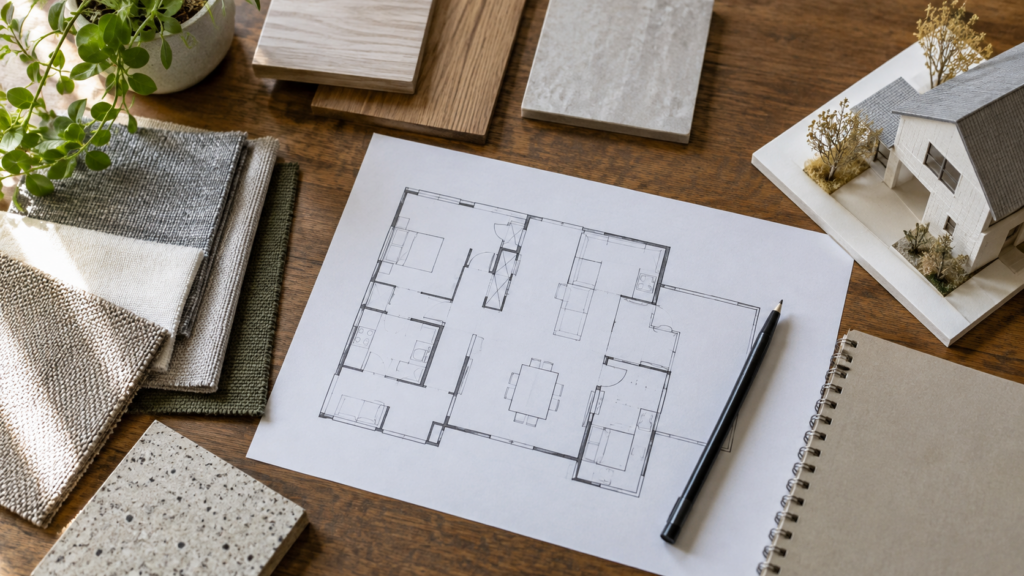
If your brief includes A&A works to a landed house, identify who owns the overall layout, who assesses building changes and who coordinates interior requirements. A service route, opening or level difference may influence several disciplines. The appointment should make those interfaces explicit.
Ask whether consultant coordination is included in the design fee. Also clarify who records decisions and updates drawings when another professional's advice changes the concept. A shared meeting is useful only when its outcomes reach the people preparing the next revision.
Treat Three to Six Months as a Discussion Window
Owners sometimes use three to six months before an intended start as an initial planning window. Treat that as a prompt to begin conversations, not a verified duration or a promise that all design, approvals and procurement will fit within it. Complex scopes may require substantially earlier engagement.
Ask the proposed team to work backwards from your intended occupation date. Separate survey, feasibility, design decisions, approvals where applicable, ordering and construction. Identify assumptions at each stage and what happens if one is not met. This produces a more useful conversation than asking for an optimistic completion date immediately.
An owner who has already selected products may need less selection time but more coordination if those products conflict with the space. Conversely, an undecided household may need additional time to agree its brief. The number of unresolved decisions matters alongside the size of the house.
Understand the Cost of Engaging Too Late
Late involvement can create repeated work when the interior requirements change decisions already made by another team. An appliance may require a different cabinet arrangement, or furniture may reveal an awkward door position. Whether a revision attracts a fee depends on the appointment and the stage reached.
Consider an illustrative sequence: a kitchen layout is approved, services are positioned and only then is the intended fridge model confirmed. A different opening or clearance requirement could affect several drawings and site activities. Early product coordination would not guarantee zero changes, but it would expose that dependency sooner.
Discuss revision allowances and approval boundaries when appointing the designer. Ask how the team separates included design development from an owner-requested change after approval. Document the answer so that both parties understand the consequences of reopening a decision.
Choose the Team Before Committing to Its Programme
Availability is only one selection criterion. A firm able to start quickly still needs the relevant experience, clear deliverables and enough capacity for your scope. Review the proposed team using our guide to choosing a landed interior design firm.
Ask who will attend meetings, prepare drawings and respond to site questions. Confirm when those people can actually begin. A salesperson's availability for an introductory appointment does not necessarily establish the production team's capacity for a detailed design programme.
Keep a written shortlist comparison covering scope, exclusions, fees and coordination duties. If you must make an early appointment before all building questions are resolved, define a limited first stage and the conditions for progressing further.
Prepare a Useful Starting Brief
Bring available plans, photographs, the property status and a short list of household priorities. Explain the spending boundary and what it needs to include. Share your intended move-in period together with any fixed commitments, such as a tenancy ending or family care arrangements.
For your first discussion about landed interior design planning, ask Yang's which decisions need attention now and which require further professional assessment. A productive early meeting should leave you with a clear next step, responsible parties and a realistic basis for the following stage.
Frequently Asked Questions
Can I Speak to a Designer Before Buying a House?
Yes. An early consultation can help test your household brief against available plans and identify questions for further investigation. Agree the scope and fee first. Treat preliminary layouts as conditional, and arrange appropriate professional checks where the purchase depends on structural changes, approvals or existing building conditions.
Is Three Months Enough Before Renovation Starts?
It depends on the scope, available information, design decisions and any required approvals. Three months is not a universal preparation period. Ask the team to build a programme around the actual dependencies, including surveys, owner selections, consultant input and procurement, before relying on a proposed start date.
Should I Appoint the Architect or Interior Designer First?
Match the sequence to the work. Projects involving major building changes may need early architectural and engineering assessment, while interior-focused work may begin with a designer. Where responsibilities overlap, arrange coordination early and record who leads each decision, prepares the relevant drawings and confirms the proposed scope.
What if I Have Already Selected My Appliances?
Provide the exact model information to the designer immediately, including dimensions and installation requirements. The team can then check the layout and service provisions against those selections. Avoid treating a purchase receipt as complete technical information, and confirm any unresolved compatibility issues before cabinetry or other affected work proceeds.

October 21, 2026
Yang's Inspiration Insight