


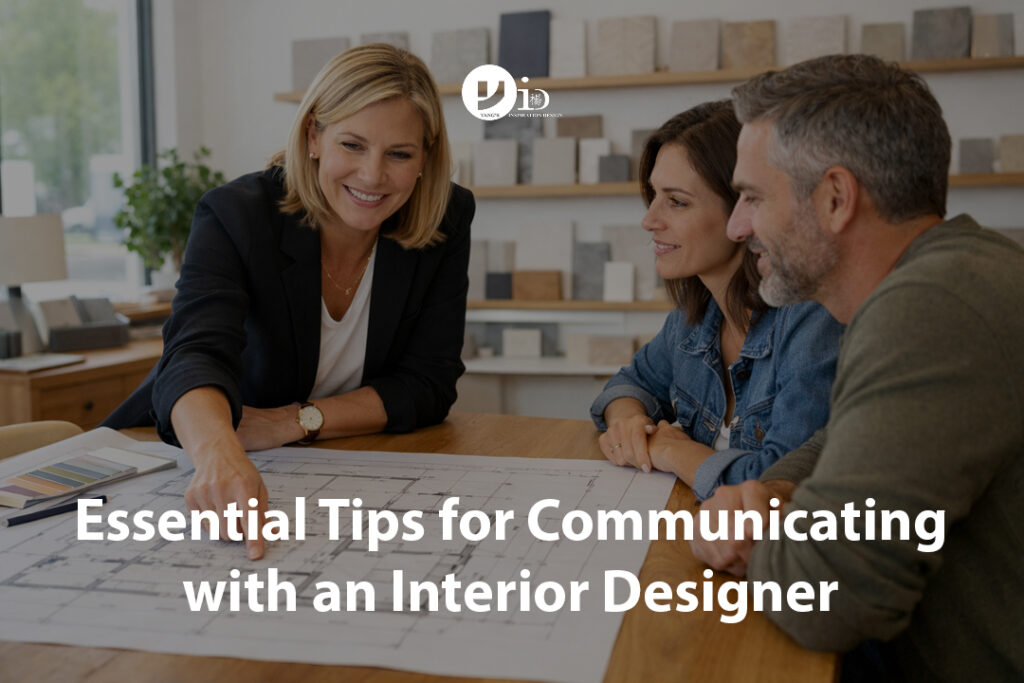
Embarking on a new interior design project is thrilling. You have a vision, a dream space waiting to be brought to life. However, the most critical tool for success isn’t a colour swatch or a furniture catalogue—it’s clear communication. The key tips for communicating with an interior designer that we’ll share are designed to bridge the gap between your ideas and their professional execution. A project’s success, budget, and timeline all hinge on how effectively you and your designer can share and understand information.
This guide provides actionable advice to ensure you are always on the same page, empowering you to build a strong partnership that results in a space you’ll absolutely love.
Phase 1: Setting the Foundation Before the First Meeting
Before you even sit down with your designer, laying the proper groundwork can dramatically improve the entire process. This preparation phase is about translating your abstract feelings into tangible information that a professional can work with.
Do Your Homework: Gather Your Inspiration
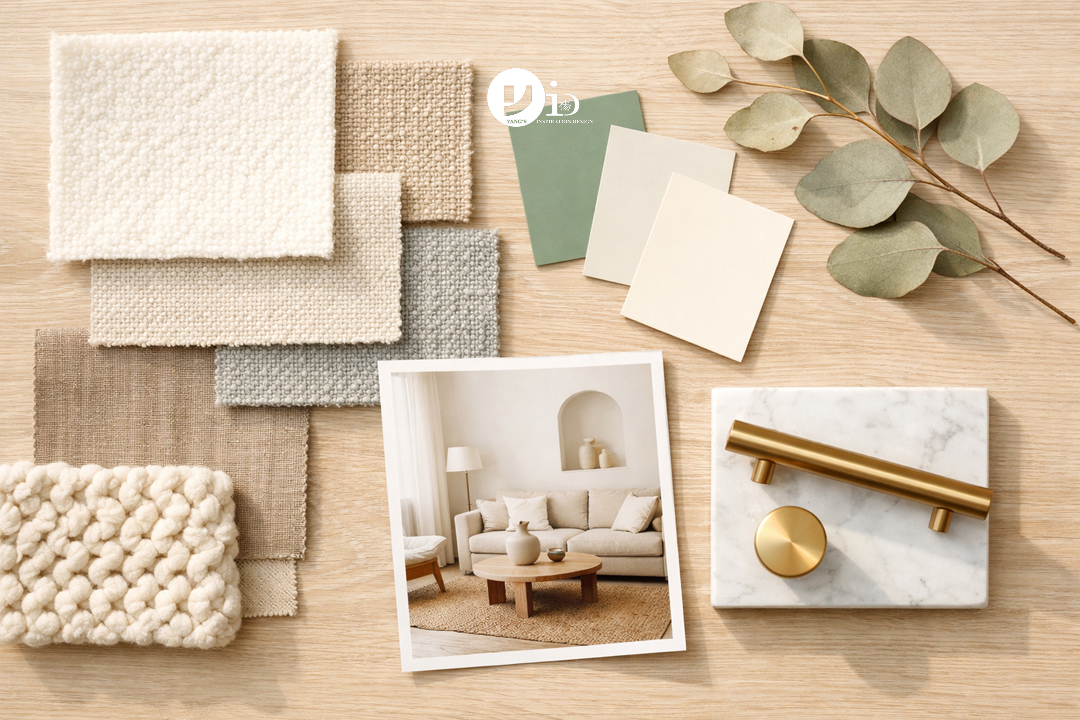
Preparation is paramount. Walking into a meeting with a clear set of visual references gives your designer a powerful head start. The goal isn’t to design the room yourself, but to provide a window into your aesthetic preferences.
- Create an Effective Mood Board: Platforms like Pinterest are invaluable, but don’t just pin images you like. Create a dedicated board for your project and add notes to each pin explaining what you like about it. Is it the lighting, the texture of the sofa, the colour palette, or the overall feeling? A physical mood board with magazine clippings works just as well.
- Identify Your Dislikes: Knowing what you don’t want is just as important as knowing what you do. If you dislike cluttered spaces, overly bright colours, or certain materials, be sure to include examples. This helps the designer set clear boundaries.
- Use Other Visual Tools: Don’t limit yourself to just room photos. A rough sketch of your current floor plan with notes on what doesn’t work can be incredibly helpful. Save photos of specific furniture pieces, lighting fixtures, or even artwork that catches your eye.
Be Clear About Your Budget and Scope
The budget conversation can feel awkward, but it is the most critical discussion you will have. An honest and realistic budget is the foundation of a successful project. Without it, expectations can become misaligned, leading to disappointment and delays. This is a non-negotiable step in the process of working with a designer.
- What to Include: Your total budget should account for more than just furniture. Be sure to factor in:
- Furnishings, fixtures, and materials.
- The designer’s fees (whether hourly, a flat rate, or a percentage).
- Costs for contractors and labour (if it’s a renovation).
- A contingency fund of 10-15% for unexpected issues or opportunities that may arise. For a more detailed breakdown, our guide to creating a Bathroom Renovation Budget Checklist offers valuable insights that can be applied to any room.
- Define “Must-Haves” vs. “Nice-to-Haves”: Prioritize your needs. Is a custom-built wardrobe a must-have, while a specific designer armchair is a nice-to-have? This list helps your designer allocate funds effectively, ensuring your most important goals are met.
Key Questions to Ask Your Designer (and Yourself)
Before committing, it’s essential to ensure you’ve found the right professional partner. The initial consultation is a two-way interview. You’re assessing them, and they’re assessing if your project is a good fit for their firm. Understanding how to choose an interior designer involves asking the right questions.
Questions for Your Designer:
- What is your typical design process and project timeline?
- How do you structure your fees and what is the payment schedule?
- How do you prefer to communicate updates, and how often?
- How do you handle unexpected costs or budget overruns?
- Can you share a few examples of projects similar to my scope and budget?
Questions for Yourself:
- How do we use this room on a daily basis?
- What are our biggest frustrations with the current space? (e.g., lack of storage, poor lighting, awkward layout).
- What is the primary feeling we want to achieve in this space? (e.g., relaxing, energizing, formal, cosy).
- How will our needs change in the next 5-10 years?
Phase 2: Mastering the Art of Collaboration During the Design Process
Once the project is underway, the nature of your communication will shift from planning to active collaboration. This is where your ability to articulate feedback and listen actively becomes crucial for success.
Articulate Your Vision and Lifestyle, Not Just a Style
Designers are trained to translate feelings and functions into a cohesive aesthetic. Simply stating “I want a modern interior design” isn’t enough, as that can be interpreted in many ways. Instead, describe the lifestyle you live and the atmosphere you want to create.
- Describe the Feeling: Instead of style labels, use descriptive words. For example:
- “We want a calm, uncluttered space where we can relax after a busy day.”
- “Our living room should feel warm and inviting, perfect for hosting friends and family.”
- “I need a home office that feels bright, focused, and professional.”
- Explain Your Routines: How you live is the most important design brief. Be specific about your daily habits. Do you have young children who need durable surfaces? Do pets sleep on the furniture? Do you work from home and need dedicated task lighting?
- Provide Specific Examples: Give context to your needs. Instead of “we need storage,” say “we need a clever way to hide the kids’ toys in the living room.” Instead of “I like to read,” say “I need a comfortable armchair with a good reading lamp next to the window.”
An experienced interior designer we spoke to said, “The best projects are with clients who share not just what they want, but how they live. When I understand their daily routines, I can design a space that doesn’t just look beautiful, but truly works for them.”
Learn How to Provide Constructive, Specific Feedback
“I don’t like it” is the least helpful feedback a client can give. It stops the creative process in its tracks. Effective communication with your interior designer relies on your ability to provide constructive feedback that is specific, honest, and focused on finding a solution.
The goal is to pinpoint why something isn’t working for you. This gives your designer the information they need to find an alternative that you’ll love.
Good Feedback Example (What to Say): “I love the shape of this sofa, and the fabric is beautiful. However, the overall colour feels a bit too dark for the room. Could we explore something in a lighter, warmer neutral to keep the space feeling bright?”
Bad Feedback Example (What NOT to Say): “I just don’t like it.”
Focus on the “why.” Does a colour feel too cold? Is a layout too formal? Is a texture not what you imagined? The more specific you are, the faster your designer can pivot and present a solution that aligns with your vision.
Listen Actively and Ask Clarifying Questions

Communication is a two-way street. Your designer brings years of training, technical knowledge, and industry experience to the table. It’s vital to listen to their recommendations and the reasoning behind them.
- Don’t Be Afraid to Ask: If you hear a term you don’t understand (like “case goods” or “chiaroscuro”), ask for an explanation. A good designer will be happy to educate you. Ask them to show you examples or sketches to clarify their ideas.
- Trust Their Expertise: You hired a professional for a reason. They may suggest something that pushes you slightly out of your comfort zone. Listen to their rationale—it’s often based on principles of scale, proportion, lighting, and functionality that you may not have considered. For instance, understanding the key differences between an interior designer vs contractor helps clarify why a designer’s role is to solve such spatial puzzles.
Navigating Disagreements and Managing Expectations
In any creative partnership, disagreements are not just possible—they are normal. It’s how you handle them that matters. The key is to address issues as soon as they arise, respectfully and directly.
If a designer presents an idea you’re unsure about, first try to understand their professional reasoning. Is their suggestion based on a functional principle you’re overlooking? For example, they might propose a layout that seems unusual, but it’s designed to maximize natural light or improve traffic flow. Learn to separate your subjective taste (“I just don’t like that shade of blue”) from the objective design principles your designer is applying. A healthy dialogue can often lead to an even better third option that satisfies both aesthetics and function.
Phase 3: Maintaining Clarity During Implementation and Execution
As your project moves from design concepts to construction and installation, communication becomes more logistical. Keeping these channels clear and organized is essential to prevent costly errors and keep the project on schedule.
Establish Clear Communication Channels and Frequency
At the start of the project, agree on a communication plan. This manages expectations and ensures everyone stays informed without causing “communication fatigue.”
- Primary Method: Decide on the best channel for different types of information. For example, use email for formal decisions and approvals, a shared project management tool for progress updates, and text messages only for truly urgent, time-sensitive matters.
- Frequency: Agree on a schedule for updates. A weekly summary email or a quick 15-minute call every Friday can keep you in the loop without constant back-and-forth.
- Point of Contact: Clarify who your main point of contact is at the design firm. This streamlines communication and prevents information from getting lost.
Review Every Document Carefully
Your signature on a document is a binding agreement. Take the time to read everything thoroughly before you approve it, from the initial contract to purchase orders for furniture.
- Check the Details: Look closely at the scope of work, fee structures, timelines, and deliverables outlined in proposals. When reviewing floor plans, double-check measurements and placements. On purchase orders, confirm that the model numbers, fabrics, and finishes are correct.
- Keep Organized Records: Maintain a dedicated digital or physical folder for all project-related documents. This includes contracts, invoices, change orders, and all written correspondence. Having everything in one place can be a lifesaver if a question arises later.
Respect the Process and Their Time
A successful project is built on mutual respect. Just as you expect your designer to respect your home and vision, it’s important to respect their professional process and time.
- Be Punctual: Arrive on time for scheduled meetings and calls.
- Provide Timely Feedback: When your designer asks for feedback or approval on an item, respond within the agreed-upon timeframe. Delays in decisions can have a domino effect, pushing back purchasing, scheduling contractors, and extending the overall interior design project timeline.
- Avoid Micro-Management: Trust the team you hired to do their job. It’s important to be involved and collaborative, but constantly questioning every minor decision can undermine their expertise and slow down progress.
Conclusion: Great Communication is the Blueprint for Great Design
Ultimately, creating a beautiful and functional home is a collaborative journey. The success of this journey is built on a foundation of effective communication. By following these tips for communicating with an interior designer, you empower yourself to be an active and effective partner in the process. The core pillars are simple but powerful: Preparation to provide a clear starting point, Honesty about your budget and opinions, Specificity in your feedback, and Trust in the professional you’ve hired. A strong client-designer relationship doesn’t just prevent mistakes—it elevates the final result, ensuring the space is a true reflection of your vision and lifestyle.
If you’re ready to transform your space with a team that values clear communication and exceptional quality, Yang’s Inspiration Design is here to help. Our integrated approach, from initial design to in-house execution, ensures a seamless process managed by a single, dedicated team. We handle every detail of your HDB interior design or condo renovation, backed by a lifetime warranty.
Let’s start the conversation. For a complimentary, no-obligation consultation, WhatsApp us at +65 8855 7575 today.

January 13, 2026
Yang's Inspiration Insight