


Starting a home design project is an exciting journey, but it can also feel overwhelming. Choosing the right interior designer is the most critical first step to ensure your vision comes to life beautifully, on time, and within budget. Deciding to hire a professional is a smart investment that saves you time, prevents costly mistakes, and provides access to expert knowledge and resources. A great designer acts as your creative partner and project manager, translating your personality into a functional, cohesive space.
This guide provides a clear, step-by-step checklist to help you find the perfect design professional who aligns with your style, budget, and project goals.
Before You Start: Key Things to Understand
Before diving into portfolios, it’s crucial to understand the landscape. Knowing the different professional roles and the best time to engage their services will set you up for success from day one.
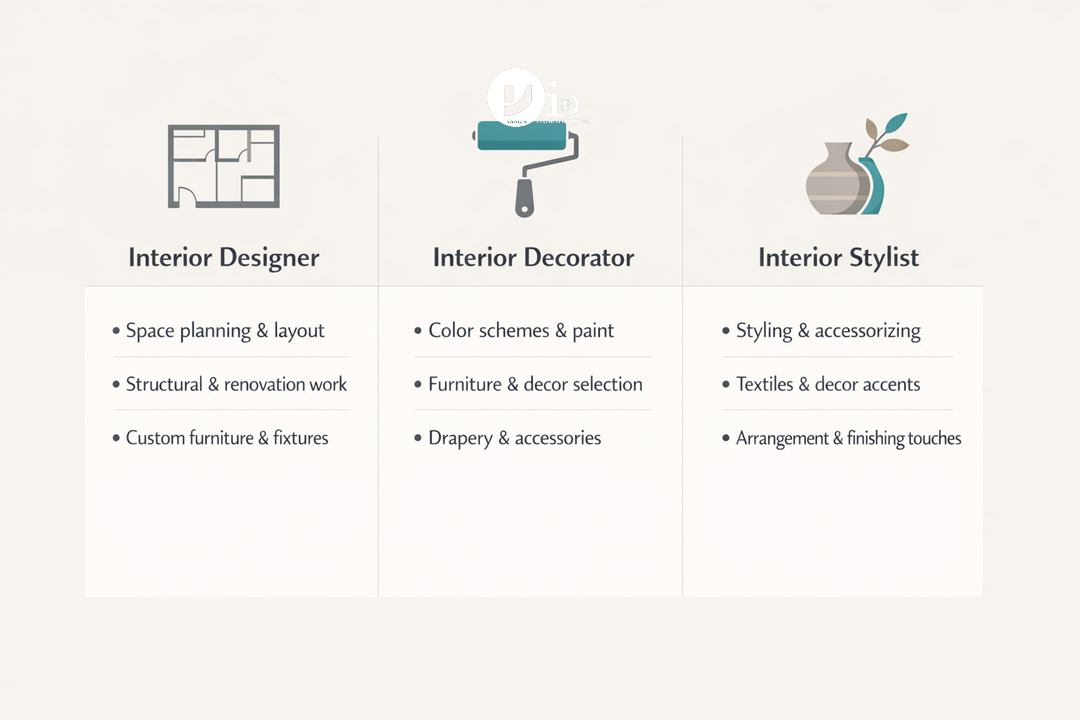
Interior Designer vs Decorator vs Stylist: What’s the Difference?
Understanding the distinction between these roles is essential to hiring the right expert for your needs. While their work can overlap, their core functions and qualifications differ significantly.
- Interior Designer: A designer is a trained professional who focuses on the art and science of a space. They handle spatial planning, structural modifications, building code compliance, and technical aspects like lighting and electrical plans. A qualified interior designer can reconfigure a floor plan to improve flow and function, in addition to managing all aesthetic elements. They often hold formal degrees or certifications and are equipped to manage a project from architectural planning to the final decorative touches. This is why firms that manage the entire process in-house, from design to construction, offer a seamless experience.
- Interior Decorator: A decorator focuses on the aesthetics of an existing space. They do not alter the structure of a room but work with surface elements like paint, furniture, textiles, and accessories to enhance its look and feel. If you’re looking to furnish a room or give it a cosmetic refresh without moving walls, a decorator is a suitable choice. Learn more about the key differences in our guide on interior design vs. interior decorating.
- Interior Stylist: A stylist specializes in the final layer of presentation. They are experts at arranging furniture and decor to make a space look its absolute best, often for photoshoots, real estate staging, or special events. They curate the finishing touches that bring a room’s story to life.
When Is the Right Time to Hire a Designer?
Bringing a designer on board at the right moment can significantly impact your project’s outcome and budget. Consider hiring a designer when:
- You are planning a new build or major renovation. An interior designer should be involved early, ideally alongside the architect. Their input on the floor plan, window placements, and electrical layouts can prevent costly changes later and ensure the home’s interior is as well-planned as its structure.
- You lack the time or expertise. Managing a renovation is a full-time job. A designer handles everything from sourcing materials and coordinating tradespeople to managing the budget and timeline, saving you immense stress.
- You need help defining a cohesive vision. If you have a collection of ideas but struggle to pull them together, a designer can help you define your style and create a unified look that flows throughout your home. They are skilled at blending different interior styles seamlessly.
- You want access to exclusive resources. Designers have established relationships with trade-only suppliers, giving you access to unique furniture, fabrics, and finishes that aren’t available to the public, often at a better price.
Step 1: Define Your Vision, Scope, and Budget
A crucial first step is to get clear on what you want to achieve. This homework will not only make your search more efficient but also ensure your initial conversations with designers are productive.
Identify Your Personal Style
Before a designer can bring your vision to life, you need to know what it is. Don’t worry if you can’t name a specific style; the goal is to gather visual inspiration.
- Create a mood board: Use platforms like Pinterest, Houzz, or even physical magazine clippings to save images of rooms, colours, furniture, and textures that you love. This visual library is the most effective way to communicate your aesthetic.
- Identify what you dislike: Knowing what you don’t want is just as important as knowing what you do. If you hate busy patterns or a certain colour, make a note of it.
- Find your keywords: As you collect images, you may see patterns emerge. Are you drawn to clean lines and neutral colours (Minimalist, Modern), or plush fabrics and ornate details (Traditional)? Perhaps you like a mix of old and new (Eclectic) or raw materials like brick and metal (Industrial). Knowing these terms can help you find designers who specialize in those interior design styles.
Outline Your Project Scope
Be specific about what you need done. A clear scope prevents misunderstandings and helps designers provide an accurate fee proposal. Ask yourself:
- Which rooms are included? Are you renovating the entire HDB flat, or just focusing on the HDB kitchen design and master bedroom?
- What is the primary goal? Is it a full remodel involving structural changes, a cosmetic update with new furnishings, or simply improving the layout for better functionality?
- What are your “must-haves” versus “nice-to-haves”? Prioritize your needs. A “must-have” might be more kitchen storage, while a “nice-to-have” could be a smart home system.
Set a Realistic Budget (and Be Honest About It)
This is one of the most important—and often most difficult—parts of the process. Transparency about your budget is non-negotiable for a successful project.
- Understand all the costs: Your total budget needs to cover more than just furniture. It must account for the designer’s fees, materials (tiles, flooring, paint), labour (contractors, plumbers, electricians), new furnishings, and a contingency fund.
- Include a contingency fund: Always set aside 10-15% of your total budget for unexpected costs. Issues can arise during any renovation, and having a contingency fund prevents financial stress and project delays.
- Be upfront with designers: Share your budget openly during initial conversations. An experienced designer will tell you whether your expectations are realistic for your budget and can suggest where to save and where to splurge to achieve the best possible result. For specific projects, using a tool like a bathroom renovation budget checklist can provide a helpful starting point.
Step 2: Research and Find Potential Designers
With your vision, scope, and budget defined, it’s time to find professionals who can make it happen.
Start with Referrals
Word-of-mouth is often the most reliable way to find a great designer. Ask for recommendations from:
- Friends, family, or colleagues whose homes you admire.
- Architects, builders, or real estate agents you trust.
Explore Online Platforms and Portfolios
The internet is your best friend for visual research. Use these platforms to discover designers and review their work:
- Houzz, Instagram, and Pinterest: These are visual search engines for home design. Search for projects in your area or by your preferred style (e.g., “minimalist living room Singapore”).
- What to look for: Pay attention to consistency in quality across their projects. Do they have a signature style that resonates with you? Look for projects that are similar in scope to yours, whether it’s a 3-room BTO interior design or a large landed property.
Consult Professional Organizations
Reputable industry organizations are another excellent resource for finding qualified professionals. These associations often have searchable directories of their members. In the broader industry, look for organizations like:
- American Society of Interior Designers (ASID): Their “find a pro” tool allows you to search for accredited designers by location and specialty.
- Interior Design Society (IDS): Another professional body with a member directory to help you find certified designers.
In Singapore, it’s also important to look for local accreditations like CaseTrust and HDB-licensed contractors, which demonstrate a firm’s commitment to quality and consumer protection.
Step 3: Evaluate and Create Your Shortlist
Once you have a list of potential candidates, it’s time to vet them more closely to narrow down your top choices.
Deep Dive into Portfolios
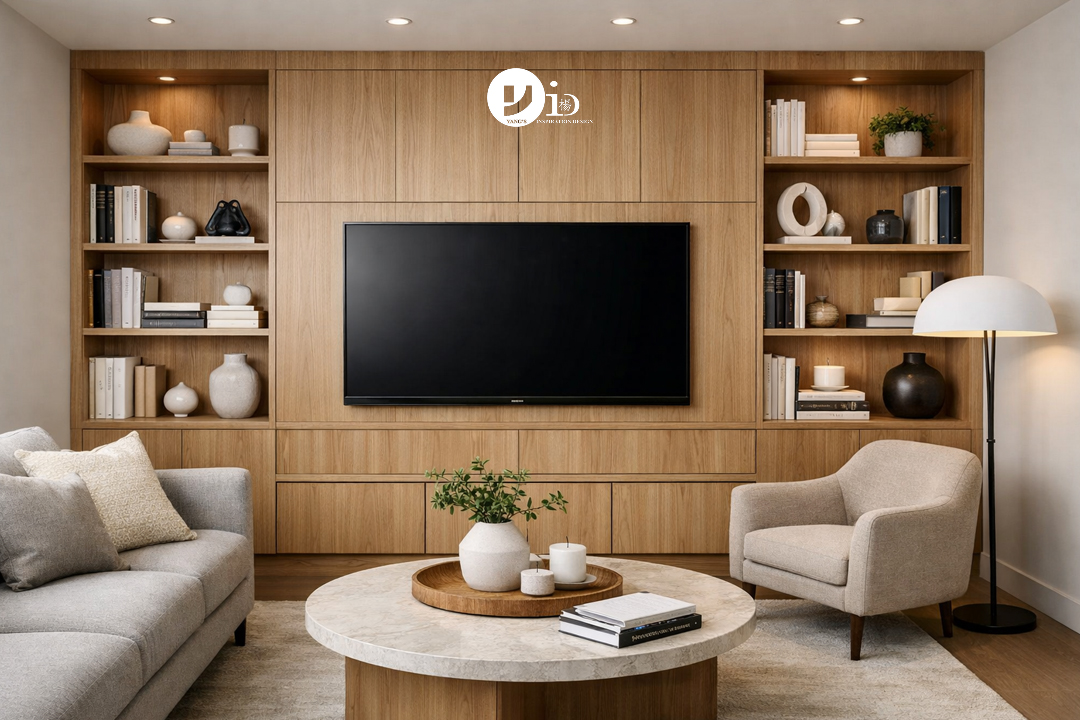
Look beyond the beautiful “after” photos. A great designer is a problem-solver. As you review their work, ask:
- Is the design functional? Does the layout make sense? Do the rooms look liveable and practical for daily life?
- Does the work solve problems? Can you see evidence of clever storage solutions in a small kitchen or an improved flow in an awkward space?
- Does each project reflect the client? The best designers don’t just stamp their own style on every home. A diverse portfolio that reflects different client personalities is a sign of a good listener and a versatile professional.
Read Client Reviews and Testimonials
Reviews provide invaluable insight into the client experience. Look for comments that address:
- Communication: Were they responsive and easy to work with?
- Budget Management: Did they respect the client’s budget and communicate clearly about costs?
- Problem-Solving: How did they handle unexpected issues or delays during the project?
- Overall Satisfaction: Was the client happy with the final result and the process to get there?
Check Credentials and Background
Visit the “About Us” or “Team” page on their website. This is where you can understand their company philosophy and verify their qualifications. Look for industry awards, press features, and professional certifications. This helps establish their credibility and experience in the field.
Narrow it Down to 2-3 Finalists
Based on your research, select the top two or three designers whose aesthetic, experience, and client feedback seem to be the best fit for you and your project. This is the shortlist you will interview.
Step 4: Interview Your Finalists (Ask These Key Questions)
The interview is your chance to assess chemistry and process. A good relationship with your designer is vital, as you’ll be working closely together for months. Come prepared with a list of questions.
Questions About Their Process and Style
- How would you describe your signature style? How do you adapt it to a client’s unique vision?
- Can you walk me through your typical interior design project timeline from start to finish?
- Who will be my main point of contact? Will I be working directly with you or a junior designer on a day-to-day basis?
Questions About Budget, Timeline, and Project Management
- How do you develop, manage, and track the project budget? How are unexpected costs handled?
- How do you handle unforeseen delays or issues with suppliers or contractors?
- Based on my project scope, what is a realistic timeline we should expect?
- What is the difference in your process when working with an interior designer vs. a contractor alone?
Questions About Communication and Collaboration
- What is your preferred method of communication (email, phone, WhatsApp), and how often can I expect to receive updates?
- How much client involvement do you prefer? Are we making decisions together at every step, or do you prefer more creative autonomy?
- Can you provide references from 2-3 past clients whose projects were similar to mine?
A seasoned interior designer we spoke to says, “The most important thing is client-designer chemistry. You are building a very personal space together. If the communication feels off or you don’t feel heard in the first meeting, trust that feeling. The right partnership should feel collaborative and inspiring from the very beginning.”
Step 5: Understand the Fees and Contract Details
Before you sign on the dotted line, make sure you have complete clarity on the financial and legal aspects of the partnership.
Common Designer Fee Structures Explained
Design firms charge in various ways. It’s important you understand what you’re paying for.
- Flat/Fixed Fee: A single, set price for the entire scope of design services discussed. This is common for projects with a clearly defined scope and deliverables.
- Hourly Rate: You are billed for the time the designer spends on your project, from site meetings to sourcing furniture. This is often used for consultation services or smaller-scale projects.
- Percentage of Project Cost: The designer’s fee is a set percentage (often 15-25%) of the total project cost, which includes all furniture, materials, and contractor labour. This is common for large-scale renovations and new builds.
- Cost-Plus/Markup: The designer purchases furniture and materials at a trade discount and sells them to you at a markup. Their fee is the difference.
What to Look for in the Contract
The contract is your project’s blueprint and your protection. Ensure it is detailed and clear. It must include:
- A detailed scope of work: It should explicitly state what services are included (e.g., number of design revisions, site visits) and, just as importantly, what is not included.
- Clear payment schedule: The contract should outline the total fee, the payment structure, and a schedule of when payments are due (e.g., deposit, mid-project, and final payment).
- Estimated project timeline: While subject to change, a professional contract will include a projected timeline with key milestones.
- Process for handling changes: It should define how revisions or additions to the scope (change orders) will be managed and billed.
- Termination clause: This outlines the terms under which either party can end the contract.
Common Mistakes to Avoid When Hiring a Designer

Learning how to choose an interior designer also means knowing what pitfalls to avoid. Steer clear of these common errors to ensure a smooth process.
Not Trusting Your Gut Feeling
If you feel a lack of chemistry or if communication feels strained during the interview, it’s a red flag. This is a long-term partnership; you need to feel comfortable and confident in your chosen professional.
Hiring Based on a Low Fee Alone
Experience, quality, and good project management come at a price. An unusually low fee can sometimes signal inexperience or hidden costs down the line. Focus on value and expertise, not just the lowest bid.
Failing to Check References Thoroughly
Don’t just ask for references—actually call them. Ask specific questions about their experience with communication, budget adherence, and how the designer handled challenges.
Providing an Unrealistic Budget or Scope
Being dishonest or unclear about your budget or expectations sets the project up for failure. An open and realistic conversation from the start allows the designer to create a plan that genuinely works for you.
Conclusion: Making Your Final Decision with Confidence
Choosing the right interior designer is a journey of defining your needs, conducting thorough research, asking the right questions, and understanding the fine print. The perfect designer is more than just a creative expert; they are a trusted partner dedicated to bringing your vision for your home to life. By following this checklist, you can move forward with confidence, knowing you’ve found someone who will make the entire process collaborative, inspiring, and ultimately, successful.
At Yang’s Inspiration Design, we understand that a renovation is more than just a project—it’s the creation of your sanctuary. As a comprehensive and vertically integrated firm in Singapore, we are uniquely positioned to be that perfect partner. Our in-house team of designers, project managers, carpenters, and electricians works together seamlessly, ensuring quality control and accountability at every stage. With RCMA CaseTrust accreditation, an HDB license, and a lifetime warranty on workmanship, our commitment is to provide not just beautiful interior design, but also complete peace of mind.
Ready to find the perfect partner for your home transformation? Start a conversation with our design experts today. WhatsApp us at +65 8855 7575 for a complimentary, no-obligation consultation!
Now that you have the checklist, start building your inspiration board and get ready to find the perfect interior designer for your project.

January 12, 2026
Yang's Inspiration Insight