


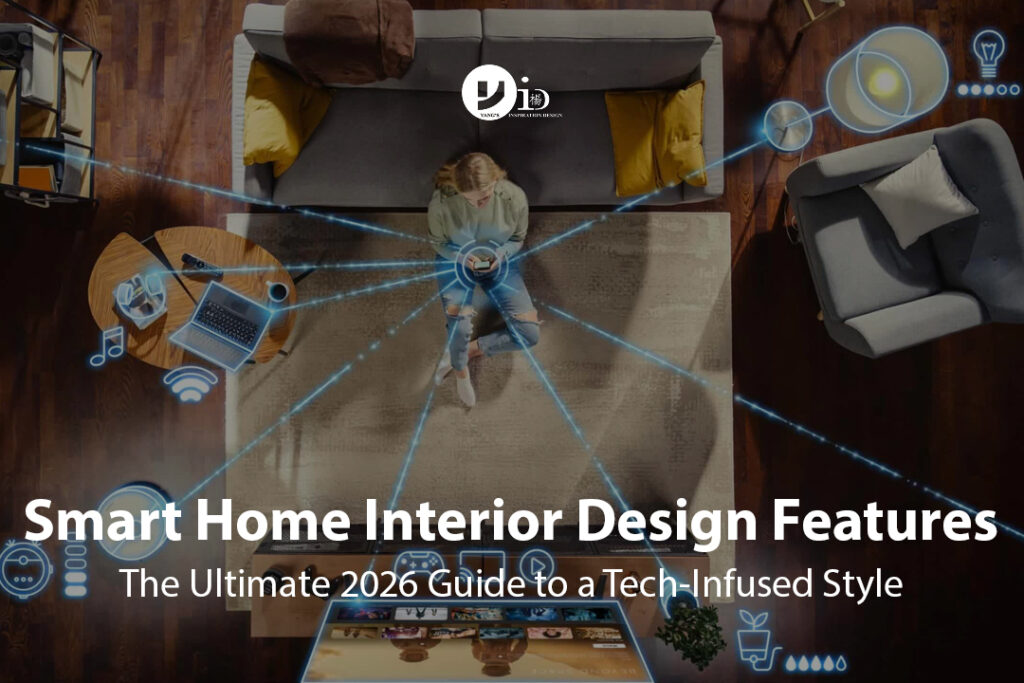
Smart home interior design features are the thoughtful integration of automated technology directly into the fabric of your home’s aesthetic, creating spaces that are not only intelligent but also beautiful and intuitive. It’s time to move beyond the clunky gadgets of the past. Today’s smart home is about invisible, intuitive technology that enhances your lifestyle and elevates your decor. You want the convenience of a connected home but are rightly concerned that it will clash with your interior design aesthetic, creating visual clutter and a sterile environment.
This guide is your answer. We will walk you through the essential smart home features that integrate seamlessly into beautiful interiors, providing both functionality and style. We’ll cover what’s possible, how to blend it with your decor, and what to consider before you begin your journey to a smarter, more stylish home.
The Foundation: What Is Smart Home Interior Design?
At its core, smart home interior design is a philosophy that prioritizes harmony between technology and living spaces. It isn’t about collecting the latest smart speakers or colour-changing bulbs; it’s about creating a cohesive environment where technology is embedded, not just added. The goal is for the technology to feel like a natural extension of the home—unseen, unheard, but always responsive. This principle shifts the focus from the device itself to the experience it enables, ensuring your home’s style and comfort are enhanced, not compromised.
Core Benefits: Convenience, Efficiency, Wellness, and Aesthetics
The “why” behind integrating smart home features is compelling and multi-faceted. The benefits extend far beyond simple convenience into key areas of modern living:
- Convenience: Automate daily routines like waking up, cooking, and securing your home. Control lighting, climate, and entertainment with a simple voice command or tap on your phone.
- Efficiency: Optimise energy consumption by automating lighting, climate control, and window treatments. Smart systems can significantly reduce utility bills and minimise your environmental footprint.
- Wellness: Enhance your well-being with features like circadian rhythm lighting that supports natural sleep cycles, and automated air purifiers that maintain a healthy indoor environment.
- Aesthetics: Achieve a clean, minimalist aesthetic by concealing wires, speakers, and controls. Technology can be hidden in plain sight, preserving the integrity of your chosen interior design style.
The Shift from “Add-On” Tech to “Built-In” Environments
The evolution of smart technology reflects a crucial shift in design thinking. Early smart homes were characterised by “add-on” devices—smart plugs, standalone cameras, and bulky hubs that created visual clutter. The modern approach, championed by expert design firms, focuses on creating “built-in” environments. This means planning for technology from the very beginning of the design or renovation process. Wiring is run inside walls, speakers are flush-mounted in ceilings, and control systems are integrated into custom cabinetry, resulting in a home that is effortlessly intelligent and impeccably designed.
10 Essential Smart Home Features for the Modern Interior
1. Dynamic Smart Lighting Systems
Lighting is one of the most powerful tools in interior design, and smart systems elevate it to an art form. It’s about creating responsive, human-centric illumination that adapts to your life.
- Ambiance Control: Go beyond a simple on/off switch. Tune the brightness and colour temperature of your lights—from a crisp, cool white for focused work to a warm, soft glow for relaxing evenings.
- Circadian Rhythm Lighting: Support your well-being with lighting that mimics the natural progression of daylight. This automated cycle helps regulate your sleep-wake cycle, boosting energy during the day and promoting restful sleep at night. Your guide to choosing the right lighting for a bedroom becomes even more crucial with these smart capabilities.
- Decor-Matched Controls: Replace standard plastic switches with elegant smart switches and dimmers available in various finishes (matte black, brushed brass, stainless steel) to complement your decor.
- Automated Architectural Lighting: Highlight your home’s best features automatically. Set schedules for under-cabinet lights, cove lighting, and spotlights on artwork to turn on at sunset, adding depth and drama to your space.
2. Integrated & Intelligent Climate Control
Smart climate control offers personalised comfort while maximising energy efficiency, all through devices that are designed to be seen.
- Thermostats as Art: Modern thermostats from brands like Nest and Ecobee feature sleek, minimalist designs with high-resolution displays. They learn your schedule, adjust temperatures automatically, and can be framed like a piece of art on your wall.
- Automated Air Quality: Integrated sensors monitor indoor air quality (VOCs, humidity, CO2 levels) and can automatically trigger air purifiers or ventilation systems to ensure your home’s air is always fresh and healthy.
- Zoned Comfort: Create different temperature zones throughout your home. Keep bedrooms cooler for sleeping while maintaining a comfortable temperature in the living room, ensuring personalised comfort for everyone and saving energy by not heating or cooling unused rooms.
3. Automated Window Treatments
Automated blinds, shades, and curtains offer the perfect blend of luxury, privacy, and efficiency.
- Effortless Light Control: Open or close every window treatment in your home with a single command. Wake up naturally as your blinds slowly open with the sunrise, or instantly achieve privacy at night.
- Energy Efficiency: Schedule your blinds to close during the hottest parts of the day in Singapore’s climate, significantly reducing solar heat gain and lowering your air conditioning costs.
- UV Protection: Automatically shield your valuable furniture, flooring, and artwork from the harsh effects of direct sunlight, preserving their colour and condition for years to come.
4. Discreet Home Security Integration

Modern security is about peace of mind without sacrificing style. Bulky, obtrusive cameras are a thing of the past.
- Aesthetic Devices: Choose security cameras and motion sensors with refined designs that blend into bookshelves, ceiling corners, or door frames.
- Smart Locks: Upgrade your front door with a smart lock that complements your door hardware. These offer keyless entry via codes, fingerprints, or your smartphone, and you can grant temporary access to guests remotely.
- Integrated Alerts: Link your security system to your lighting and audio. If an alarm is triggered, lights can flash red, all speakers can sound an alert, and your automated blinds can open to increase visibility.
5. Seamless Automation & Centralized Control
The true power of a smart home is unlocked when all its features work together in perfect harmony, controlled from a single, intuitive interface.
- The Central Hub: A wall-mounted tablet (like an iPad) running a control app can serve as a sleek command centre. For a more minimalist approach, a robust smartphone app can control every aspect of your home from anywhere in the world.
- Invisible Voice Control: The key to great voice control is strategic speaker placement. Work with your designer to integrate smart speakers discreetly into ceilings or custom joinery to ensure optimal acoustics and voice pickup without visual clutter.
- Personalised “Scenes”: Create powerful automations that trigger multiple actions with one command. A “Movie Night” scene could dim the lights, lower the blinds, turn on the TV and sound system, and adjust the temperature. A “Good Morning” scene could gradually raise the lights, open the curtains, and play a soft morning playlist.
6. Achieving a Minimalist Aesthetic with Hidden Tech
For those who believe technology should be experienced, not seen, these smart home interior design features are essential for achieving a clean, uncluttered look.
- Invisible Audio: Enjoy high-fidelity music throughout your home without a single visible speaker. In-wall and in-ceiling speakers are plastered over and painted to match the wall, becoming completely invisible while delivering immersive sound.
- Artful Televisions: Eliminate the “black box” effect of a standard TV. Televisions like Samsung’s “The Frame” display high-resolution artwork when not in use, complete with customisable bezels to match your picture frames. Other solutions include motorised lifts that hide the TV in the ceiling or custom cabinetry.
- The Smart Closet: Centralise all the backend equipment—network routers, amplifiers, control processors—in a dedicated, well-ventilated closet. This keeps your living spaces free of blinking lights and tangled wires, embodying the principles of minimalist home design.
7. Hyper-Personalization and Customization
A truly smart home adapts to you, not the other way around. It’s about creating an environment that is uniquely yours.
- Individual Profiles: Link lighting, music, and temperature preferences to individual user profiles. When a family member enters a room, the environment can automatically adjust to their favourite settings.
- Enhanced Accessibility: Smart home technology can be life-changing for users with limited mobility. Voice and app control for lights, doors, and window treatments provide a new level of independence and ease of living.
- A Responsive Environment: Your home can learn your routines. It can know to turn on the coffee maker in the morning, warm up the bathroom before you shower, and ensure all lights are off when the last person leaves the house.
8. Energy Efficiency and Sustainable Living
A well-designed smart home is also a green home. Automation is a powerful tool for reducing your carbon footprint and saving money.
- Automated Savings: Lights that automatically turn off in unoccupied rooms, and thermostats that lower the AC when you’re away, all contribute to significant energy savings without any effort on your part.
- Vampire Power Management: Smart plugs can automatically cut power to appliances like televisions and chargers when they are in standby mode, eliminating the “vampire power” drain that accounts for a surprising portion of energy bills.
- Energy Monitoring: Use an app-based dashboard to see exactly how much energy your home is using in real-time. This data empowers you to identify opportunities for further savings and track your progress toward a more sustainable lifestyle.
9. The High-Tech, High-Style Smart Kitchen
The kitchen is the heart of the home, and it’s a prime area for smart, stylish integration. Smart HDB kitchen design ideas focus on seamless functionality and clean aesthetics.
- Hands-Free Convenience: Voice-activated faucets are perfect for when your hands are full or messy. Smart refrigerators can help you track inventory, suggest recipes based on what you have, and even order groceries.
- Integrated Control: Sleek, built-in screens in backsplashes or on refrigerator doors can serve as a hub for viewing recipes, controlling other smart home features, or leaving notes for the family.
- Automated Lighting: Motion-activated under-cabinet and pantry lighting provides instant visibility exactly when and where you need it, adding a touch of modern luxury and practicality.
10. Future-Proofing Your Design
Technology evolves rapidly. A forward-thinking design ensures your home remains smart and functional for years to come.
- A Robust Network Backbone: A reliable smart home is built on a strong network. For new builds, pre-wiring with Ethernet cables to key locations provides the fastest, most reliable connection. For all homes, investing in a professional-grade mesh Wi-Fi system is non-negotiable.
- Modular Systems: Choose systems that are not tied to a single proprietary ecosystem. This allows you to add, upgrade, or swap out individual components over time without having to replace the entire system.
- Plan for the Future: Even if you aren’t ready for certain technologies now, plan for them. Running conduit for future wiring or planning for the power requirements of technologies like smart glass (which can turn from clear to opaque on command) is a smart, forward-thinking investment.
Blending Tech with Your Aesthetic: A Style Guide
One of the biggest hurdles for homeowners is figuring out how smart technology fits into their specific aesthetic. The beauty of modern smart home design is its versatility. Instead of forcing a single high-tech look, the goal is to choose and integrate technology that complements your home’s unique character. Whether you favour clean lines or classic comfort, there’s a strategy to make technology work for you, not against you.
For the Minimalist & Scandinavian Home
This aesthetic, rooted in simplicity, functionality, and natural beauty, is a perfect match for hidden technology. The guiding principle is “less is more,” and smart tech helps achieve this by eliminating clutter.
- Concealment is Key: The focus here is on invisible integration. Use in-wall speakers that are plastered and painted over, making them completely disappear. Opt for recessed, flush-mount sensors for motion and climate control. A centralised smart closet is essential to hide all network gear and processors.
- Natural Materials: When a device must be visible, choose ones that align with the Scandinavian interior design palette. Smart speakers with light wood or fabric covers (like those from Google or premium brands like Bang & Olufsen) can sit on a shelf like a decorative object.
- Clean-Lined Controls: Select smart switches and thermostats with simple, unadorned designs in white or light grey finishes. The goal is for them to blend seamlessly with the wall, maintaining the room’s serene and uncluttered feel. Automated roller shades in a simple, neutral fabric are the perfect window treatment, offering clean lines whether up or down.
For the Industrial & Modern Loft
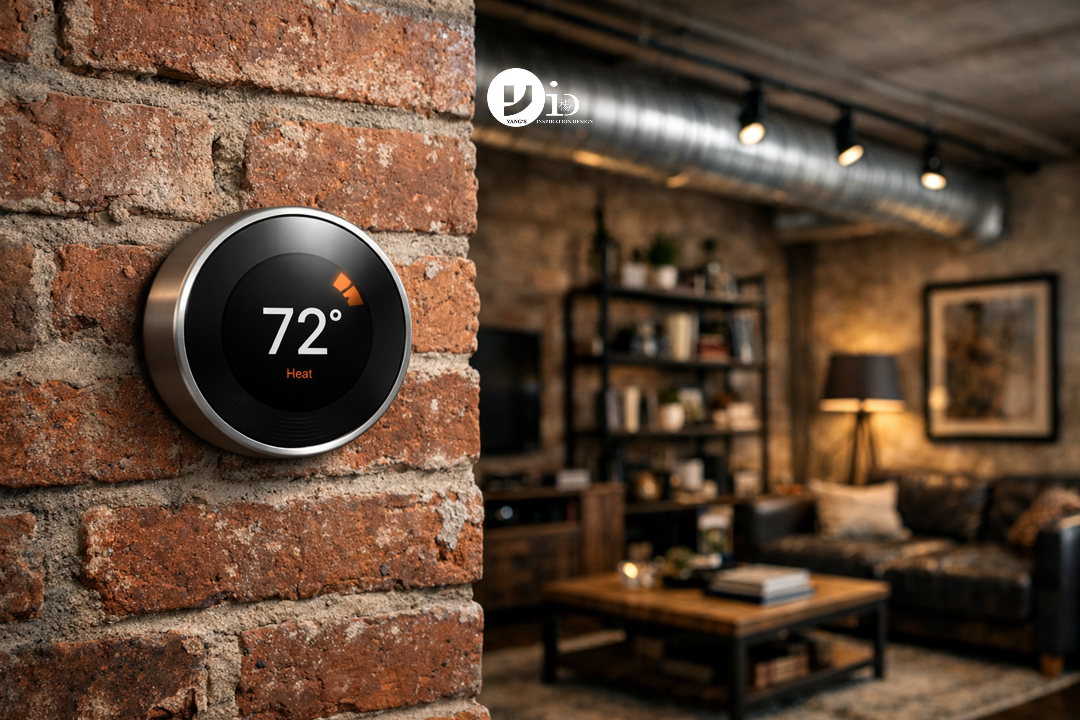
In contrast to minimalism, the industrial and modern interior design aesthetic often celebrates raw materials, structural elements, and a certain degree of technological expression. Here, technology doesn’t always have to hide; it can be a design feature in itself.
- Embrace Designer Tech: Instead of concealing devices, select them for their design merit. A sleek thermostat with a brushed metal finish becomes a focal point on a concrete wall. Smart lighting tracks can be left exposed, celebrating their functional form. Explore industrial kitchen lighting ideas that incorporate smart bulbs in stylish, raw-metal fixtures.
- Metallic and Matte Finishes: Look for smart devices, switches, and speakers in finishes like stainless steel, brushed bronze, or matte black. These materials complement the exposed brick, concrete, and metalwork common in industrial lofts.
- Visible with Intention: While you still want to manage cables for a clean look, running them through exposed metal conduit can become part of the aesthetic rather than something to hide. A large, wall-mounted screen or a high-quality projector system can serve as the centerpiece of a living area, embracing its technological nature.
For the Traditional & Transitional Space
Integrating technology into traditional interiors requires the most finesse. The goal is to preserve the home’s timeless, classic character while introducing modern convenience discreetly.
- Hidden within Joinery: Custom cabinetry is your best friend. Televisions can be concealed behind custom panels or artwork on a motorised track. Speakers can be hidden within bookshelves or built-in cabinets with acoustically transparent fabric grilles.
- Classic-Style Controls: Many companies now offer smart switches and dimmers designed to mimic traditional toggle or push-button styles. You can get the classic look and feel with all the benefits of smart automation, ensuring the controls don’t look out of place.
- Strategic Disguise: Place smaller devices like voice assistants on a side table behind a photo frame or a decorative box. Tuck away sensors on the tops of tall furniture or behind the folds of heavy drapery. For this style, the technology should be a quiet servant, never drawing attention to itself.
Planning Your Smart Home: New Build vs Retrofit
The path to a smart home looks different depending on your starting point. Whether you’re building a new HDB BTO from scratch or renovating a beloved older condo, a successful outcome hinges on planning. Understanding the opportunities and limitations of your project type is the first step in creating a seamlessly integrated smart home.
New Construction: The Golden Opportunity for Full Integration
Building a new home is the ideal scenario for smart home design. You have a blank canvas and the ability to plan for technology before a single wall is built. This is where you can achieve the highest level of seamlessness and reliability.
- The Power of Pre-Wiring: This is the single biggest advantage of a new build. You can run structured wiring—like Cat6 Ethernet cables for data and speaker wires for audio—to every room. A wired connection is always faster and more reliable than wireless, providing a rock-solid foundation for your entire system. You can also easily run dedicated power to locations for motorised blinds, in-wall tablets, and security cameras.
- Designed-In Solutions: You can design dedicated spaces from the outset, such as a “smart closet” or AV rack room to house all the central equipment. This keeps your living spaces pristine. Furthermore, you can work with your architect and interior designer to design custom joinery and recesses specifically to house things like invisible speakers, flush-mount keypads, and hidden televisions.
- Total System Integration: With full access to walls and ceilings, you can opt for fully integrated systems for lighting, climate, security, and entertainment that are designed to work together from day one, offering a level of cohesion that is harder to achieve in a retrofit.
Retrofitting an Older Home: Leveraging Wireless Solutions and Creative Concealment
Bringing smart technology into an existing home presents a different set of challenges, but it’s entirely achievable with clever planning and the right technology. The focus shifts from pre-wiring to leveraging powerful wireless protocols and smart concealment strategies.
- Embrace Wireless Protocols: Modern wireless technologies are incredibly robust. Wi-Fi, Zigbee, and Z-Wave are the languages your smart devices use to communicate. A high-quality mesh Wi-Fi system is essential to ensure strong coverage throughout the home. Many smart lighting systems, thermostats, and sensors are now wireless, eliminating the need to cut into walls. Battery-powered motorised shades are another excellent wireless solution.
- Creative Concealment: Think creatively about hiding wires and devices. Wires can be run along skirting boards, hidden behind cornices, or concealed with decorative trunking that matches your wall colour. Bookshelves, media consoles, and large potted plants can be used to discreetly hide devices and power adapters.
- Start Room by Room: A retrofit project doesn’t have to be all or nothing. You can start by upgrading one system or one room at a time. For example, begin by installing a smart lighting system in the living room and master bedroom, or automate the window treatments in the sunniest rooms. This phased approach makes the project more manageable and budget-friendly.
The Dream Team: Why You Should Involve an Interior Designer and a Technology Integrator Early
Regardless of whether you are building new or retrofitting, the secret to success is collaboration. Bringing in the right professionals at the very beginning of your planning phase can save you from costly mistakes and ensure the final result is both technologically sound and aesthetically beautiful.
- The Interior Designer’s Role: Your interior designer is the guardian of your home’s overall vision, feel, and flow. They ensure that every technological element—from the finish of a light switch to the placement of a speaker—aligns with the design concept. They are experts in space planning, custom cabinetry design, and material selection, making them essential for concealing technology gracefully.
- The Technology Integrator’s Role: The integrator is the technical expert. They understand the complex web of products, protocols, and programming. They will design the system’s architecture, ensure all components work together seamlessly, and handle the professional installation and setup.
- Early Collaboration: The magic happens when these two professionals work together from day one. The designer can tell the integrator what they want to achieve aesthetically, and the integrator can provide the best technological solutions to make it happen. This collaboration prevents scenarios where, for example, a beautiful custom-built media unit has no ventilation for the equipment inside, or a homeowner discovers too late that there’s no power source for the motorised blinds they wanted. This is where the debate of interior designer vs contractor becomes clear; a true design-led process considers these elements from the start.
Addressing the Challenges: What to Consider Before You Start
While the world of smart home interior design is exciting, it’s essential to approach it with a clear-eyed perspective. Embarking on this journey without considering the practical challenges can lead to frustration, budget overruns, and a system that’s more complicated than convenient. Acknowledging these hurdles upfront allows you to plan effectively and make informed decisions that are right for your family and your budget.
The Reality of Cost: Budgeting for Hardware, Installation, and Maintenance
It’s no secret that smart home technology can be a significant investment. Being realistic about the costs involved is crucial for a successful project.
- Hardware Costs: The price of devices can vary dramatically. A single smart light switch can cost a few times more than a standard one. A fully integrated lighting system for a whole house can run into the thousands. It’s important to research different brands and tiers of products. While you can start small with a few devices, a fully integrated system requires a dedicated budget line item.
- Installation and Programming: This is a hidden cost that many people overlook. Professional installation, wiring, and system programming are highly skilled tasks. For a robust, reliable system, professional help is invaluable and should be factored into the budget from the start. A detailed budget, much like a bathroom renovation budget checklist, can help you track these expenses.
- Maintenance and Upgrades: Technology isn’t forever. Consider potential long-term costs. Some systems may require subscriptions for certain features. Like any technology, devices may eventually fail or become obsolete, requiring replacement or upgrades down the line. Budgeting a small amount annually for maintenance can prevent surprises.
Privacy & Security: Choosing Reputable Brands and Securing Your Network
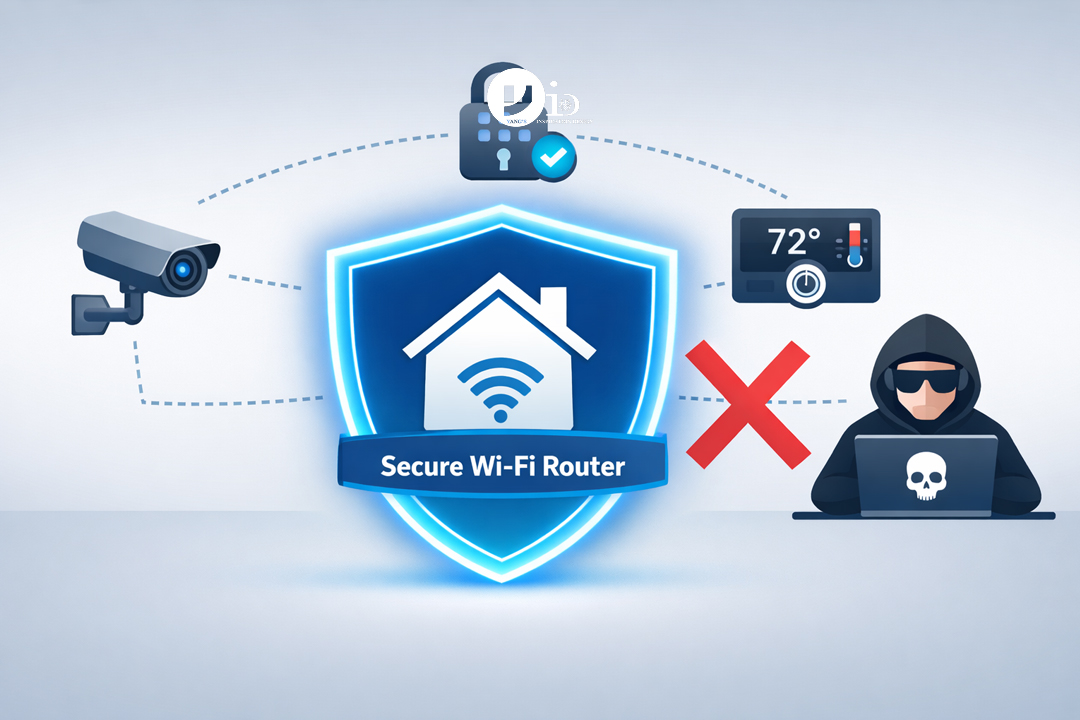
Connecting your home to the internet introduces potential privacy and security vulnerabilities. Taking proactive steps to protect your data and your home is non-negotiable.
- Choose Reputable Brands: Stick with well-known, established brands that have a strong track record on security. These companies are more likely to invest in robust encryption and provide regular security updates to protect their devices from threats. Avoid obscure, no-name brands that may have lax security standards.
- Secure Your Home Network: Your Wi-Fi network is the front door for your smart home. Secure it with a strong, unique password. It’s also highly recommended to create a separate “guest” network for visitors, and if possible, a dedicated network just for your smart home devices to isolate them from your personal computers and phones.
- Manage Permissions: Be mindful of the permissions you grant to smart home apps. Understand what data they are collecting and why. Regularly review and update the privacy settings on your devices and accounts.
The Complexity Factor: Ensuring Your System is User-Friendly for the Whole Family
The most advanced smart home in the world is useless if no one knows how to use it. The ultimate goal is to simplify life, not complicate it. A system that is intuitive and reliable for everyone—from children to grandparents to guests—is the mark of a truly successful design.
- Prioritise a Simple Interface: The control interface, whether it’s an app or a wall-mounted touchscreen, should be clean, logical, and easy to navigate. Avoid cluttered screens with too many options. The most frequently used controls (like main lights or volume) should be instantly accessible.
- Don’t Eliminate Manual Controls: Technology can sometimes fail. There should always be a simple, manual way to perform essential functions. A physical light switch on the wall is a crucial backup if the Wi-Fi goes down or an app freezes. This ensures your home remains functional no matter what.
- Onboarding and Education: When the system is installed, ensure the integrator provides a thorough walkthrough for the entire family. Everyone should understand how to operate the basic functions. Having simple, printed instructions for guests can also be incredibly helpful. The investment in a user-friendly system pays off every single day in stress-free living.
Conclusion: Your Home, Smarter and More Stylish Than Ever
Ultimately, the best smart home interior design features are the ones you barely notice. They are the invisible threads of technology woven into the fabric of your home, working in the background to make your life more convenient, comfortable, efficient, and beautiful. The perfect marriage of function and form is no longer a futuristic dream; it is the new standard for luxury and modern living. It’s about creating a personalised, intuitive sanctuary that responds to your needs and reflects your unique style. This level of seamless integration doesn’t happen by chance—it requires expert planning, a deep understanding of both design principles and technology, and a meticulous eye for detail.
At Yang’s Inspiration Design, we specialise in creating these integrated living environments. Our vertically integrated team, from expert interior designers to our in-house electricians and carpenters, ensures that every aspect of your smart home renovation is handled with precision. Whether you are planning a luxury condo interior design or a custom HDB renovation, we have the expertise to bring your high-tech, high-style vision to life.
Don’t let the complexity of technology prevent you from creating the home of your dreams. Start by identifying one area of your home—like lighting or window treatments—that could benefit from a smart upgrade. Begin your journey toward a seamlessly integrated home today by getting expert advice.
Ready to build a home that’s as intelligent as it is beautiful? Contact our design experts for a free, no-obligation consultation. WhatsApp us at +65 8855 7575 now!

January 14, 2026
Yang's Inspiration Insight