


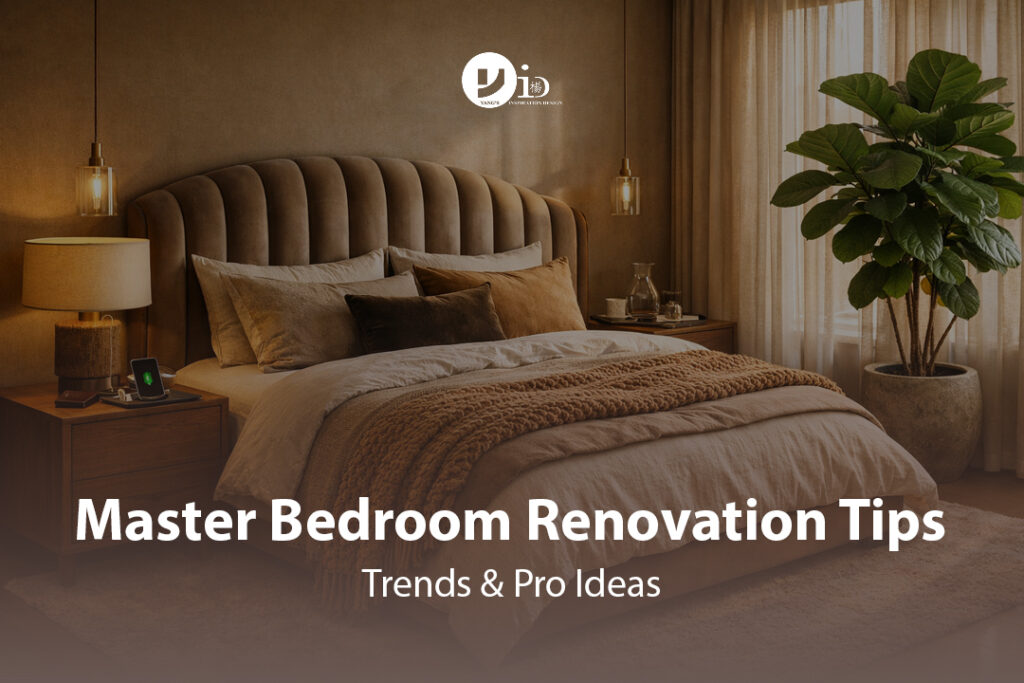
A master bedroom renovation is your opportunity to transform a simple sleeping space into a personal sanctuary—a true retreat from the outside world. More than just a room, your master bedroom should be a functional, comfortable, and stylish haven that recharges you. If you’re feeling overwhelmed by the possibilities, you’ve come to the right place.
This guide provides essential master bedroom renovation tips, covering everything from strategic planning and the latest 2026 trends to budgeting and lighting, ensuring you have the expert advice needed to create the room you deserve, regardless of your budget or the scale of your interior design project.
Start with a Plan: Define Your Style and Goals
A successful renovation begins long before the first wall is painted. A clear plan is the foundation of a space that not only looks beautiful but also functions perfectly for your lifestyle. Rushing this stage often leads to costly mistakes and a final result that doesn’t quite hit the mark.
Envision Your Ideal Function and Feel
First, ask yourself: what is the primary purpose of my new master bedroom?
- A Serene Escape: Is your goal a tranquil, minimalist space designed purely for rest and relaxation, free from distractions like TVs or clutter?
- A Multi-functional Room: Do you need to incorporate other activities? This could include a cozy reading nook with an armchair, a compact and discreet workspace, or a dedicated vanity area for your morning routine.
- A Luxurious Hotel-like Suite: Perhaps you dream of recreating the opulence of a five-star hotel, complete with premium materials, ambient lighting, and plush textiles.
Defining the room’s function will guide every subsequent decision, from layout to furniture selection.
Create a Mood Board to Visualize Your Style
A mood board is a powerful tool for translating abstract ideas into a tangible visual plan. It helps ensure all your chosen elements work together harmoniously. Gather inspiration for colours, textures, furniture, lighting, and patterns that resonate with you.
You can use digital tools like Pinterest to create boards or go with a physical foam board, pinning fabric swatches, paint chips, and magazine cutouts. This process helps you refine your aesthetic and provides a clear visual reference for you and your designer. It’s the perfect way to explore different interior design styles and find the one that truly feels like you.
Prioritize Your Needs vs. Wants
Finally, create two lists: “Needs” and “Wants.” This exercise is crucial for managing your budget and ensuring the most critical changes are addressed first.
- Needs (Essentials): These are the non-negotiables. Examples include fixing a flooring issue, adding more storage to eliminate clutter, or upgrading a poorly functioning window.
- Wants (Upgrades): These are the desirable but not essential items. This could be a statement chandelier, a freestanding bathtub in the room, or custom-built cabinetry.
This clear prioritisation allows you to allocate your budget effectively, focusing on high-impact essentials before indulging in luxury extras.
Embrace 2026 Design Trends for a Modern Retreat
Incorporating current trends ensures your renovated bedroom feels fresh, modern, and aligned with contemporary ideals of comfort and wellness. For 2026, the focus is on creating deeply personal, luxurious, and nature-inspired spaces.
Create a Luxurious, Hotel-Like Experience
The desire for a five-star hotel experience at home continues to dominate. This trend is about creating an atmosphere of pure indulgence.
- Materials: Think premium and tactile. Use high-thread-count linens, silk pillowcases, velvet headboards, and marble or brass accents.
- Lighting: Opulent fixtures like a modern chandelier or elegant wall sconces add a touch of glamour.
- Features: If space and budget permit, incorporating a freestanding soaking tub in a corner of the bedroom or as part of an open-concept en-suite is the ultimate statement in defining luxury in interior design.
Incorporate Wellness with Biophilic & Organic Elements
Biophilic design, which connects our spaces with nature, is essential for creating a calming environment. This trend is about more than just adding a plant.
- Textures: Use natural materials like raw or reclaimed wood, cork wall panels, rattan furniture, and stone accents.
- Shapes: Move away from sharp, rigid lines and embrace curved furniture, such as arched headboards or rounded nightstands, which feel softer and more organic.
- Greenery: Strategically place indoor plants known for their air-purifying qualities, like snake plants or peace lilies, to improve air quality and add life to the room.
Play with Earth Tones and Warm Hues
Cool greys are making way for warmer, more inviting palettes that cocoon and comfort. These earthy colours create a cozy and grounded atmosphere. Popular shades for 2026 include:
- Taupe and sand
- Caramel and terracotta
- Rich chocolate brown
- Muted sage and moss greens
These hues pair beautifully with the natural materials of biophilic design, creating a cohesive and serene look.
Layer Textures for Depth and Warmth
A room that engages the sense of touch feels richer and more comfortable. Layering a variety of textures is key to achieving this depth. Combine different materials to create visual and tactile interest:
- A plush, high-pile rug underfoot.
- Smooth velvet or chunky knit cushions on the bed.
- Lightweight linen curtains that diffuse sunlight softly.
- A woven throw blanket draped over a chair or the foot of the bed.
Integrate Smart Technology Discreetly
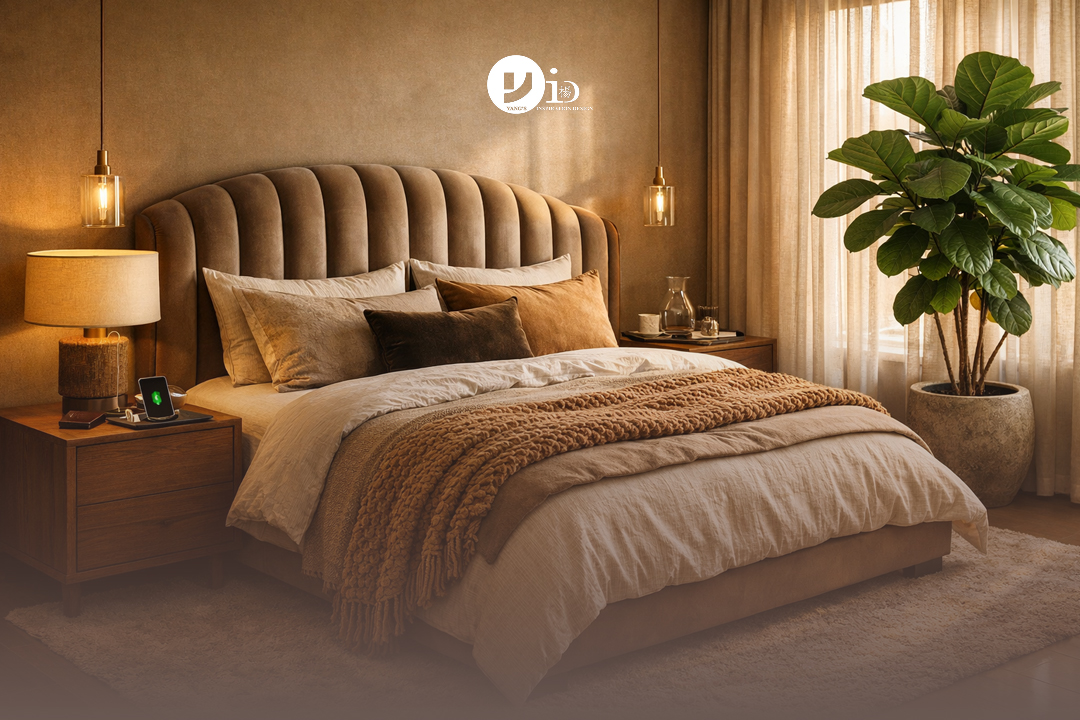
The best smart home interior design features enhance convenience without adding visual clutter. Technology in the 2026 bedroom is seamless and intuitive.
- Integrated Charging: Nightstands with built-in USB ports or wireless charging pads.
- Smart Lighting: Voice-controlled or app-managed lighting systems that allow you to adjust brightness and colour temperature.
- Automated Blinds: Motorised blinds and curtains that can be scheduled to open with the sunrise, promoting a natural wake-up cycle.
Perfect Your Space: Strategic Layout and Planning
An intelligent layout is crucial for a bedroom that feels both spacious and functional. Proper space planning enhances flow, maximises usability, and prevents the room from feeling cramped or chaotic. Thoughtful planning is one of the most important master bedroom renovation tips you can follow.
The Foundation: Optimal Bed Placement
The bed is the focal point of the room, so its placement is your first major decision.
- The Traditional Rule: The most common approach is to center the bed against the longest, uninterrupted wall, ideally the one you see when first entering the room. This creates a natural focal point and a sense of balance.
- Designer Alternatives: In larger rooms, designers sometimes place the bed in the middle of the room, using a tall, statement headboard to act as a soft divider. Another option is placing it under a large window to wake up with natural light, provided you have excellent light-blocking curtains.
Ensure Proper Circulation and Flow
A cluttered room is not a relaxing one. Ensure there are clear pathways for easy movement. A good rule of thumb is to leave at least 60-70cm of walking space around the bed and other major furniture pieces. Use “negative space” (empty areas) to your advantage; not every wall or corner needs to be filled. This breathing room makes the space feel larger and more serene. For specific ideas, especially in Singapore homes, exploring space-savvy layouts for your HDB master bedroom can provide excellent inspiration.
Consider High-Impact Additions
If your renovation involves more than just cosmetic changes, consider additions that dramatically improve functionality and add value.
- Walk-In Closet: A well-organised walk-in closet is a game-changer for storage. If you have the space, incorporating one can eliminate the need for bulky dressers in the main bedroom area, making it feel more open.
- En-Suite Bathroom: An en-suite offers privacy and convenience. Modern en-suites often feature spa-like elements such as large soaking tubs, double vanities, or walk-in rain showers. Planning a bathroom remodel alongside your bedroom ensures a cohesive design.
Carve Out Functional Zones
Even in smaller bedrooms, you can create distinct zones for different activities.
- Reading Nook: A comfortable armchair, a small side table, and a dedicated floor lamp can create a perfect corner for unwinding with a book.
- Workspace: If you need a desk, choose a slim, minimalist design and a comfortable chair that can be tucked away. Place it near a window for natural light.
- Vanity Area: A small floating shelf with a mirror above it can serve as a stylish and space-efficient makeup station.
Set the Mood with Color and Paint
Colour has a profound psychological impact, and in the bedroom, your goal should be to create a tranquil and restful atmosphere. The right palette can transform the feel of your space more effectively and affordably than almost any other element.
Choose a Calming Color Palette
When you’re deciding how to choose bedroom paint colours, opt for hues that promote relaxation.
- Soft Warm Whites: Creamy whites or beiges with warm undertones feel cozy and inviting, avoiding the sterile look of stark white.
- Deep Gray-Blues: These shades are sophisticated and serene, evoking the feeling of a calm evening sky.
- Muted Blue-Greens: Colours like dusty aqua or seafoam are reminiscent of water and nature, creating a spa-like sense of tranquility.
- Sage Green: A soft, earthy green that connects the room to nature and promotes a feeling of balance and peace.
Apply the 60-20-10 Color Rule
For a balanced and professional look, follow this classic interior design principle:
- 60% Main Color: This is your dominant shade, typically used on the walls.
- 20% Secondary Color: This colour should appear half as much as your main colour. It’s often used for larger furniture pieces like your bedframe or curtains.
- 10% Accent Color: This is a pop of colour used for smaller decor items like throw pillows, artwork, or decorative objects.
Create a Focal Point with a Feature Wall
An accent wall behind the bed can add depth and personality without overwhelming the room. Paint is a great option, but consider other materials for added texture and impact:
- Textured Wallpaper: A botanical print or a subtle grasscloth wallpaper can add sophisticated detail.
- Wood Paneling: Vertical slats or shiplap can add warmth and architectural interest.
- Exposed Brick: For an industrial or rustic aesthetic, an exposed brick wall (or a high-quality faux-brick panel) provides raw, appealing texture.
Illuminate Your Space with Thoughtful Lighting
Lighting is one of the most critical master bedroom renovation tips for setting the right mood. A single, harsh overhead light is not enough. A layered lighting scheme provides flexibility, allowing you to transition the room from a bright, functional space to an intimate, relaxing retreat.
Layer Your Lighting: Ambient, Task, and Accent
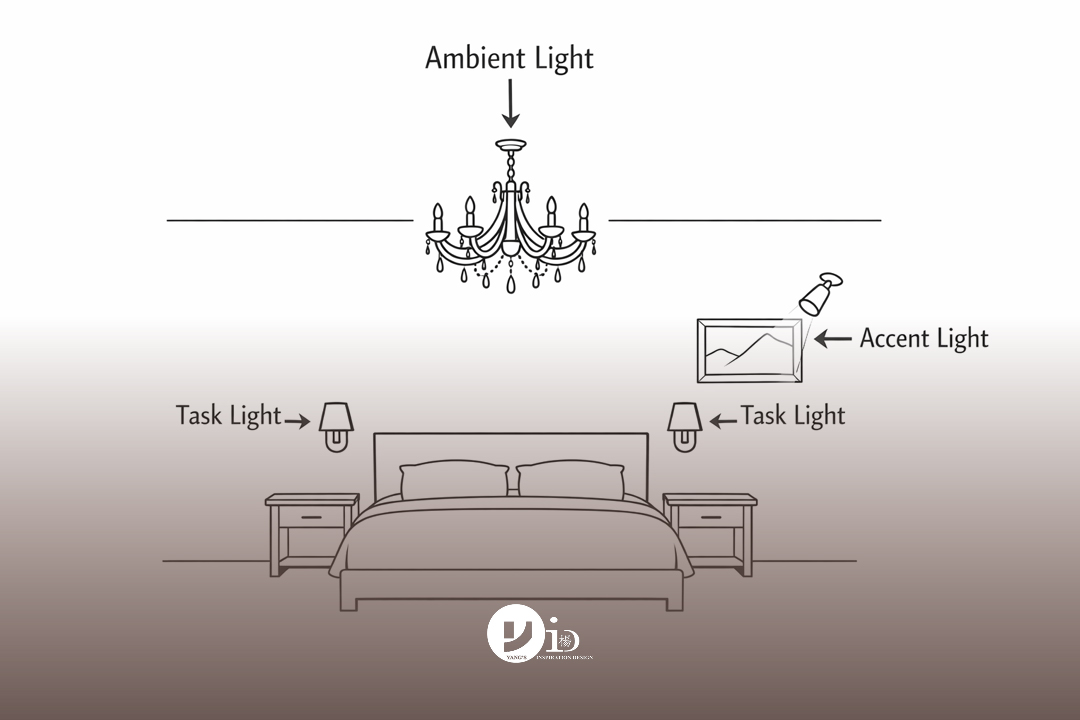
A well-lit room includes three layers of light. Following a guide to choosing the right lighting for a bedroom can help you master this.
- Ambient Lighting: This is the overall illumination for the room. It can come from recessed lighting (pot lights), a stylish flush-mount ceiling fixture, or a statement chandelier.
- Task Lighting: This is focused light for specific activities. The most common need in a bedroom is for reading. Options include traditional bedside lamps or space-saving wall sconces mounted above the nightstands.
- Accent Lighting: This is used to highlight specific features, such as a piece of art, a textured wall, or architectural details. Small, directional spotlights or picture lights work well for this.
Install Dimmers for Mood Control
Dimmers are an inexpensive upgrade with a massive impact. Installing them on your ambient and task lighting gives you complete control over the room’s atmosphere. You can keep the lights bright when getting dressed or cleaning, and dim them down in the evening to signal to your body that it’s time to wind down.
Choose the Right Bulb Temperature
The colour temperature of your light bulbs, measured in Kelvin (K), dramatically affects the room’s feel. For a bedroom, you want to avoid cool, blue-toned light that mimics harsh daylight and can disrupt sleep patterns.
- Recommended Range: Choose bulbs with a warm tone, between 2700K and 3000K. This temperature range emits a cozy, yellowish glow that is ideal for promoting relaxation and creating an intimate ambiance.
Select Furniture That Blends Style and Function
Furniture is a major investment in your master bedroom renovation. The right pieces will not only align with your style but also serve your functional needs, helping to keep the space organised and comfortable.
Make a Statement with Your Headboard
The headboard is an instant focal point and can set the tone for the entire room. Popular materials that add texture and style include:
- Plush Velvet: Adds a touch of luxury and softness, perfect for a glamorous or hotel-inspired look.
- Upholstered Linen: Offers a relaxed yet sophisticated feel, suitable for modern farmhouse or coastal styles.
- Reclaimed Wood: Brings in natural warmth and texture, ideal for rustic or biophilic designs.
Invest in High-Quality Bedding
Never underestimate the power of great bedding. It directly impacts your comfort and gives the bed a full, inviting look. Think in layers to achieve that luxurious, hotel-like feel:
- Start with high-quality sheets (cotton, linen, or bamboo).
- Add a fluffy duvet or comforter.
- Layer multiple pillows (both sleeping and decorative).
- Finish with a textured throw or coverlet at the foot of the bed.
Choose Multi-Functional Pieces for Small Spaces
If your master bedroom is on the smaller side, every piece of furniture should work hard.
- Beds with Storage: An ottoman bed that lifts up or a frame with built-in drawers underneath is perfect for storing extra linens, blankets, or seasonal clothing.
- Floating Nightstands: Wall-mounted nightstands free up floor space, making the room feel larger and easier to clean.
- A Bench with Storage: A bench at the foot of the bed can serve as seating and a place to store shoes or extra pillows.
Considering custom vs ready-made furniture is key here, as custom pieces can be designed to perfectly fit your space and storage needs.
Add a Touch of Luxury with Curtains and Drapes
Window treatments are a finishing touch that can elevate the entire room. For a more elegant and expensive look, hang long curtains that just skim the floor. Mounting the curtain rod higher and wider than the window frame creates the illusion of a larger window and a taller ceiling.
Plan Your Budget and Timeline
Embarking on a master bedroom renovation without a clear budget and timeline is a recipe for stress and overspending. This planning phase is a crucial, practical step that ensures your project stays on track. Unlike design inspiration, this section focuses on the logistical realities of renovating, providing a clear roadmap from start to finish—a key differentiator from generic advice. Mapping out a realistic interior design project timeline is essential for managing expectations and coordinating with professionals.
Understanding the Costs: From Refresh to Full Remodel
Master bedroom renovation costs in Singapore can vary dramatically based on the scope of work, materials chosen, and whether you hire professionals. Here are some estimated ranges to help you budget:
- Basic Refresh ($4,000 – $8,000): This typically includes a fresh coat of paint, new light fixtures, new bedding and curtains, and perhaps a new piece of freestanding furniture like a dresser or nightstands. It focuses on cosmetic updates without structural changes.
- Mid-Range Renovation ($8,000 – $15,000): This could involve everything in a basic refresh, plus new flooring, a custom feature wall (e.g., wainscoting or wallpaper), and building a simple built-in wardrobe.
- High-End Remodel ($15,000+): This level involves significant changes. It can include structural work like moving walls, adding an en-suite bathroom, creating a custom walk-in closet with integrated lighting, installing smart home features, and using high-end materials like marble, custom carpentry, and designer fixtures.
DIY vs. Hiring a Pro: When to Call for Help
Deciding what to do yourself versus what to hire out is key to balancing your budget and ensuring quality results. Knowing the difference between an interior designer vs contractor helps you select the right expert.
- Good DIY Tasks:
- Painting walls and trim
- Assembling flat-pack furniture
- Swapping out light fixtures (if you’re comfortable with basic electrical work)
- Changing hardware on doors and dressers
- Styling and decorating
- When to Hire a Professional:
- Structural Changes: Any work involving moving or removing walls requires a licensed builder.
- Electrical Work: Installing new outlets, recessed lighting, or complex fixtures.
- Plumbing: Necessary for adding or renovating an en-suite bathroom.
- Custom Built-Ins: A skilled carpenter is needed for high-quality, seamless wardrobes and cabinetry.
- Flooring Installation: While some flooring is DIY-friendly, professional installation ensures a flawless, long-lasting finish.
Mapping a Realistic Renovation Timeline
Delays can be frustrating, so having a realistic timeline helps manage expectations. Here is a sample step-by-step timeline for a mid-range renovation:
- Phase 1: Planning & Design (2-4 weeks): This is where you define your goals, create your mood board, set your budget, and draw up your layout. If you’re hiring a designer, this is when you’ll have initial consultations.
- Phase 2: Hiring Pros & Ordering Materials (2-3 weeks): Get quotes, sign contracts with your chosen contractors, and order long-lead-time items like custom furniture, special-order tiles, or windows.
- Phase 3: Demolition & Structural (1 week): The messy part begins. This includes tearing out old flooring, removing old fixtures, and any wall adjustments.
- Phase 4: Electrical & Plumbing Rough-In (3-5 days): Electricians and plumbers run new wiring and pipes while the walls are open.
- Phase 5: Painting & Flooring (1 week): Once walls are patched and prepared, painting happens first. After the paint is dry, the new flooring is installed.
- Phase 6: Furniture Assembly & Final Touches (1 week): Built-in wardrobes are installed, furniture is assembled, light fixtures are connected, curtains are hung, and the final styling takes place.
Build a Sustainable Sanctuary
In 2026, a truly modern sanctuary is also a sustainable one. Making eco-conscious choices during your renovation not only reduces your environmental impact but also creates a healthier indoor environment for you and your family. This focus on wellness and sustainability is more than a trend; it’s a responsible approach to design that adds long-term value and peace of mind. Thoughtful material selection and a focus on energy efficiency are foundational pillars of a forward-thinking master bedroom renovation.
Choose Eco-Friendly Materials
The materials you choose form the building blocks of your room. Opt for renewable, recycled, or responsibly sourced options.
- Reclaimed Wood: Using reclaimed wood for a feature wall, headboard, or flooring adds unique character and prevents old timber from ending up in a landfill. Each piece has a history that brings unparalleled warmth and texture to the space.
- Bamboo Flooring: Bamboo is a rapidly renewable resource, as the grass matures in just 3-5 years, compared to 20+ years for many hardwoods. It’s durable, stylish, and has a modern, clean look.
- Cork: Harvested from the bark of cork oak trees without harming the tree, cork is an excellent choice for flooring or even a feature wall. It is naturally insulating (both for sound and temperature), antimicrobial, and provides a soft, cushioned feel underfoot.
Opt for Non-Toxic Paints and Finishes
Indoor air quality is a major component of a healthy home. Conventional paints and finishes can release volatile organic compounds (VOCs), which are harmful chemicals that off-gas for years after application, contributing to respiratory issues and allergies.
- Low-VOC or Zero-VOC Paints: Make a conscious choice to use paints labelled as “Low-VOC” or “Zero-VOC.” These water-based formulas have significantly fewer harmful solvents, resulting in minimal odour during application and a much healthier living environment long-term. Many major brands now offer extensive colour palettes in these healthier formulations.
- Natural Finishes: For wooden furniture or flooring, consider natural oil finishes like linseed or tung oil instead of polyurethane varnishes, which are high in VOCs.
Install Energy-Efficient Lighting and Windows
Reducing your energy consumption is good for the planet and your wallet. Your bedroom renovation is the perfect time to make smart upgrades.
- LED Bulbs: Replace all incandescent bulbs with LEDs. They use up to 80% less energy and can last up to 25 times longer, saving you significant money on your electricity bills and reducing replacement hassle.
- Energy-Efficient Window Treatments: Your windows can be a major source of heat gain or loss. Installing high-quality window treatments is one of the most effective energy saving tips at home. Layering sheer curtains with blackout curtains gives you flexible control over light and privacy while adding an extra layer of insulation.
Conclusion
Creating your dream master bedroom is an empowering journey of self-care. The most successful master bedroom renovation tips all point back to three key pillars: thoughtful planning, reflecting your personal style, and focusing on a functional, relaxing atmosphere. By defining your goals, embracing modern trends like wellness and sustainability, and making strategic decisions about layout, lighting, and budget, you can transform your space into a true sanctuary. This is more than a renovation; it’s an investment in your daily well-being.
At Yang’s Inspiration Design, we believe everyone deserves a home that reflects their vision and enhances their life. Our comprehensive HDB interior design services are tailored to bring your dream sanctuary to life, managing every detail from concept to completion with our in-house team of experts. We are committed to quality craftsmanship, backed by a lifetime warranty.
Now that you have the expert tips, it’s time to start planning the master bedroom retreat you deserve. WhatsApp us at +65 8855 7575 for a free, no-obligation consultation and let’s create your perfect space together.

January 23, 2026
Yang's Inspiration Insight