


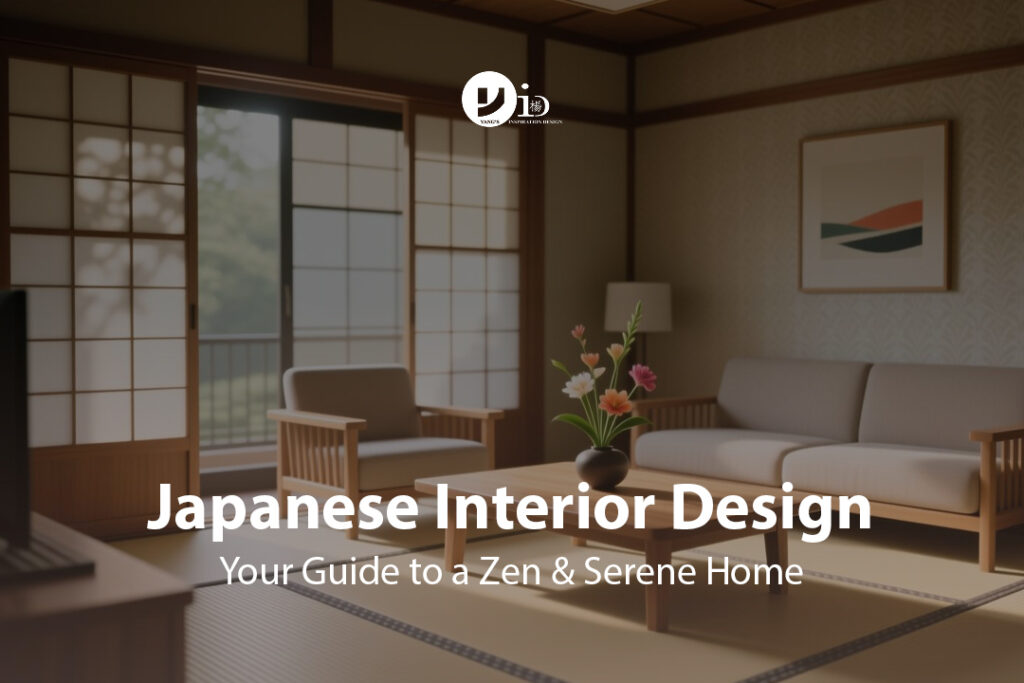
In a world that constantly demands our attention, our homes should be more than just a place to live; they should be sanctuaries of peace and calm. If you find yourself yearning for a space that quiets the mind and soothes the soul, the answer may lie in the timeless principles of Japanese interior design. Far more than just minimalist aesthetics, this design philosophy is a deep-rooted approach to living in harmony with your environment. It’s about creating intentional spaces that are both beautiful and restorative.
This comprehensive guide will walk you through the very essence of Japanese design. We’ll go beyond the what—the clean lines and neutral palettes—to explore the profound why behind each choice. From the core philosophies that shape the aesthetic to practical, room-by-room applications and common mistakes to avoid, consider this your ultimate resource for transforming your house into a tranquil, balanced, and serene home.
The Soul of Serenity: 7 Core Philosophies of Japanese Design
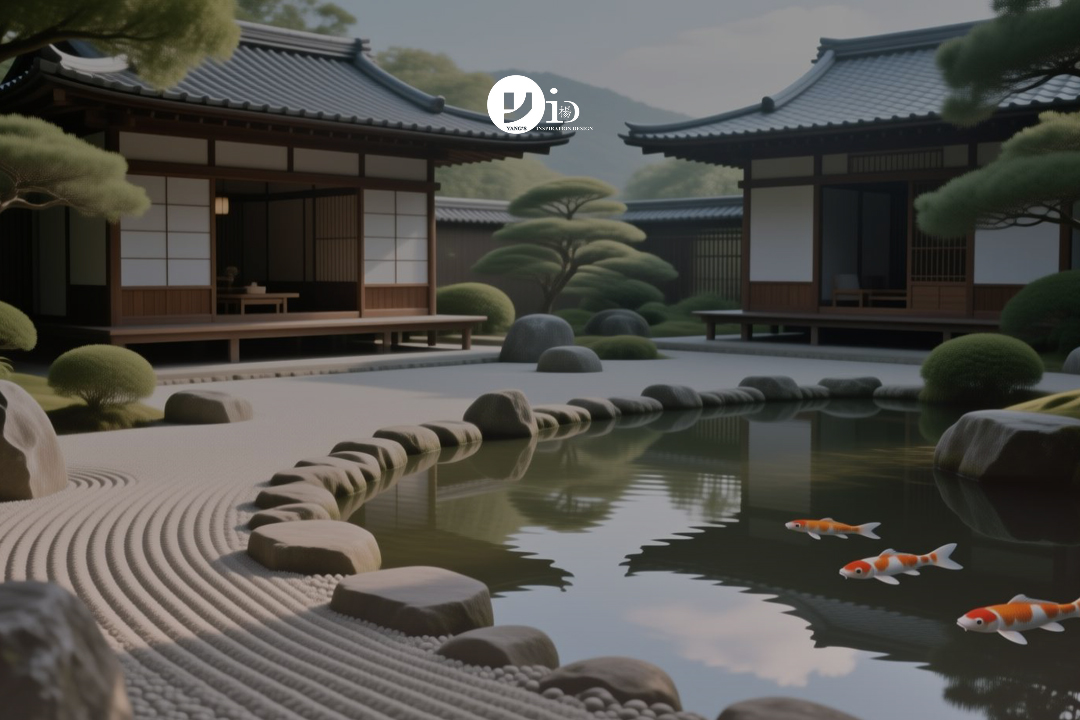
To truly create an authentic Japanese-inspired space, one must look beyond simply copying an aesthetic. The real beauty lies in understanding the core concepts that have guided Japanese design for centuries. Mastering these philosophies is the key to crafting a home that doesn’t just look serene but feels deeply harmonious.
Ma (間): The Art of Negative Space
Ma is the principle of valuing empty, or negative, space. It is not about absence, but about the intentional use of voids to give importance to the objects within them. In Japanese culture, this space is alive with energy and possibility.
Practical Application: Instead of filling every corner, allow for breathing room. Leave a wall partially bare to draw attention to a single piece of art. Choose a sofa or console table with raised legs to create a sense of openness underneath. This intentional space reduces visual clutter, creates a clear focal point, and allows energy to flow effortlessly through the room.
Wabi-Sabi (侘び寂び): Finding Beauty in Imperfection
Wabi-Sabi is a worldview centered on the acceptance of transience and imperfection. It is the art of finding profound beauty in the natural, the weathered, and the incomplete. It celebrates authenticity and the marks that time and use leave behind.
Practical Application: Embrace objects that tell a story. Opt for a handmade ceramic bowl with its unique shape over a flawless, mass-produced one. Choose aged wood with its natural grain and knots, or select linen textiles that soften and wrinkle with use. Wabi-Sabi is the antidote to the relentless pursuit of perfection, creating a warm, inviting, and soulful atmosphere.
Shizen (自然): A Deep Connection with Nature
Shizen refers to the deep, inherent connection to the natural world. This principle focuses on bringing the outdoors in and honoring the raw, unadorned state of materials. It is about creating a seamless flow between the home and its natural surroundings.
Practical Application: Maximise natural light with large windows and avoid heavy drapery. Incorporate materials in their most natural state, such as raw, unfinished wood for a feature wall, river stones as bathroom accents, or bamboo flooring. Of course, the inclusion of indoor plants is also central to this idea.
Kanso (簡素): The Power of Simplicity
Kanso is the principle of simplicity and the elimination of clutter to achieve clarity. It is about expressing ideas in the plainest, most graceful manner. In design, this means that every object and element must have a purpose and a place.
Practical Application: Focus on function over excessive ornamentation. Choose furniture with clean lines and invest in smart, integrated storage solutions to keep non-essential items out of sight. A home guided by Kanso feels orderly, peaceful, and allows the mind to rest.
Shakkei (借景): The Art of “Borrowed Scenery”
Shakkei is the artful practice of incorporating outside views into the interior composition. It “borrows” the scenery from a garden, a skyline, or even a single tree, making it an integral part of the indoor experience.
Practical Application: Position your furniture to face a window with a beautiful view. In a Singapore condo, this could be a stunning city skyline or a lush green park. Use sheer day curtains to soften the light without obscuring the view. You can even place a mirror strategically to reflect a captivating outdoor scene, effectively bringing it into the room.
Fukinsei (不均整): The Beauty of Asymmetry
Fukinsei celebrates the beauty of asymmetry and irregularity. Drawing from nature, where perfect symmetry is rare, this principle achieves balance through unevenness. It creates a dynamic yet harmonious tension that is more engaging than perfect mirroring.
Practical Application: Arrange decorative objects in groups of three or five. Instead of a perfectly centered gallery wall, create an asymmetrical arrangement. Use organically shaped objects, like a live-edge wood coffee table or a naturally formed sculpture, to introduce a sense of controlled irregularity.
Seijaku (静寂): Achieving Calmness and Tranquility
Seijaku translates to tranquility, stillness, and solitude. It is the ultimate goal and the resulting feeling when all other principles are applied in harmony. It is the state of calm and quiet that allows for deep thought and inner peace.
Practical Application: This feeling is created by the combination of all the principles above. An uncluttered space (Kanso), filled with natural light (Shizen) and imperfectly beautiful objects (Wabi-Sabi), with plenty of empty space (Ma), creates a sense of Seijaku. To enhance this, design a quiet corner for reading or meditation with just a comfortable floor cushion and a soft lamp.
The Building Blocks: Key Elements of Japanese Interior Design
With a foundational understanding of the philosophies, we can now explore the tangible elements that bring a Japanese-inspired home to life. These are the practical building blocks used to create spaces that are both functional and deeply serene.
Natural & Sustainable Materials
The material palette in Japanese interior design is drawn directly from the earth. Wood is paramount, with a preference for light-colored varieties that showcase their natural grain. Key materials include:
- Sugi (Cedar): Valued for its fragrance, beautiful grain, and durability.
- Hinoki (Cypress): A prized wood, naturally resistant to water and emitting a light, citrusy scent, making it ideal for bathrooms and ofuro tubs.
- Bamboo: A fast-growing, sustainable grass used for flooring, screens, and decorative accents.
- Stone: Used for flooring, countertops, and as grounding accents, often in its raw, unpolished state.
- Rice Paper (Washi): Used in Shoji screens and lanterns to diffuse light beautifully.
- Natural Fibers: Cotton, linen, wool, and jute are used for textiles like bedding, curtains, and rugs, adding texture and warmth.
An Earthy and Neutral Color Palette
The color scheme is designed to be calming and reflective of nature.
- Base Colors: The foundation is typically composed of neutral, off-white shades, soft beiges, and light grays. These colors create a bright, airy feel and allow natural materials to stand out.
- Accent Colors: When color is used, it is drawn from the natural world. Think of the muted browns of tree bark, the deep greens of a forest, or the rich indigo blue traditionally used in Japanese textiles.
Low-Profile & Functional Furniture
Culturally, Japanese life has traditionally been lived closer to the floor, with a history of sitting on tatami mats. This is reflected in the furniture, which is often low to the ground. This not only fosters a sense of groundedness but also makes a room feel more spacious and open.
Examples Include:
Low platform beds with simple wooden frames.
- Zabuton (floor cushions) for seating.
- Chabudai (low dining or tea tables).
- Tansu chests, known for their beautiful joinery and functionality as storage units.
The Role of Light: Natural and Diffused
Light is treated as a key design element. The goal is to maximize natural light to connect the interior with the outdoors and the passage of time. Large, unadorned windows are common.
When artificial light is needed, it should be soft, warm, and diffused. Shoji screens play a crucial role, scattering light gently throughout a space. Similarly, Andon (paper lanterns) create a soft, ambient glow rather than harsh, direct light, promoting a tranquil evening atmosphere.
Bringing Nature Indoors: Plants and Views
Simply adding plants is not enough; the placement and type are intentional. The goal is to create a small, curated representation of nature within the home.
- Specific Plants: Bonsai trees are a living art form representing patience and nature. Bamboo stalks add vertical lines and a sense of grace. Orchids provide a single, elegant burst of color. Kokedama (moss balls) are a beautiful, sculptural way to display plants.
- Ikebana: The Japanese art of flower arrangement is a decorative principle in itself. An Ikebana display is about more than just beauty; it emphasizes shape, line, and form, creating a simple yet profound statement.
Flexible Spaces with Shoji and Fusuma
In space-conscious homes, flexibility is key. Japanese design achieves this through iconic sliding panels.
- Shoji: These are sliding panels made of translucent washi paper over a wooden lattice frame. They are used as window coverings, room dividers, or doors. Their translucency allows light to pass through while still providing privacy.
- Fusuma: These are opaque sliding doors, often made of paper or cloth over a wooden frame. They are used to divide rooms or as closet doors, and can be decorated with paintings, creating a movable art piece.
Japanese Design in Your Home: A Room-by-Room Guide
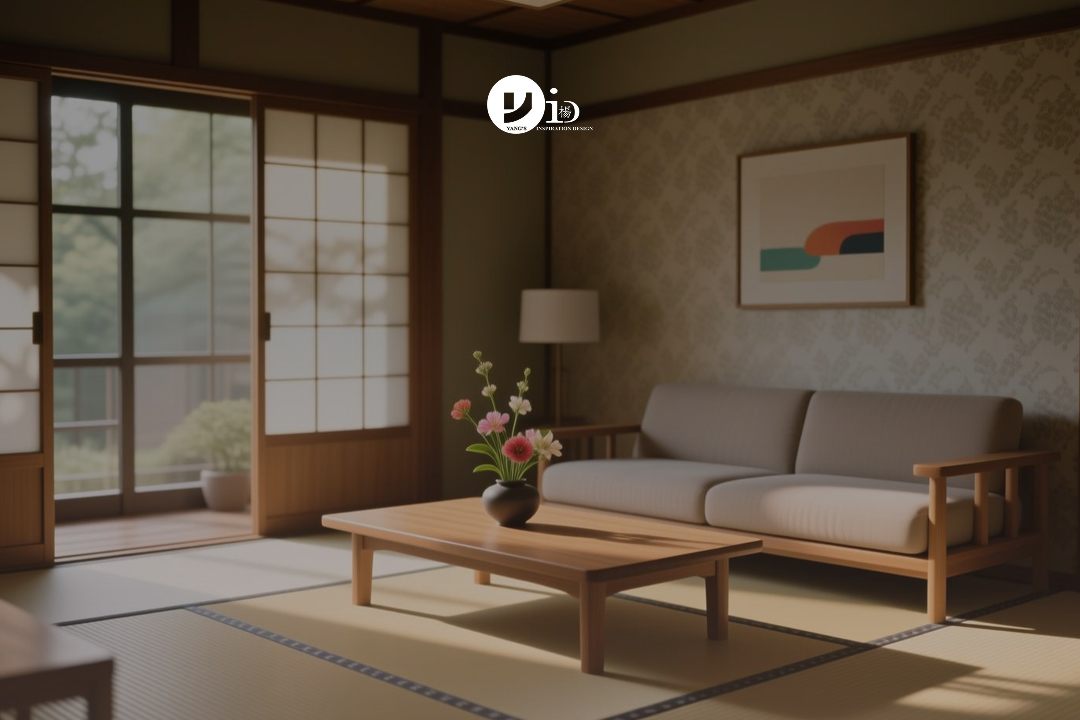
Applying these philosophies and elements doesn’t require living in a traditional Japanese house. Here are actionable tips to bring the tranquility of Japanese interior design into any modern home in Singapore, from an HDB flat to a landed property.
The Japanese Living Room: A Hub of Tranquility
Flooring: Opt for light wood flooring or lay down a large, natural fiber rug (like sisal or jute) to define the space.
Furniture: Choose a low-slung sofa with clean lines. Pair it with a simple wooden coffee table and a few zabuton floor cushions for flexible seating.
Decor: Resist the urge to over-decorate. A single, impactful piece of art, such as a kakejiku (hanging scroll) or a minimalist painting, is sufficient. A well-placed floor lamp with a paper shade can provide soft, ambient lighting.
Focus: Ensure there are clear, open pathways for movement to honor the principle of Ma.
The Japanese Bedroom: A Sanctuary for Rest
Bed: A low platform bed is the centerpiece. For an even more authentic feel, consider a high-quality futon that can be placed on a tatami mat or a slatted frame.
Lighting: Use washi paper lamps on nightstands or as pendants to emit a soft, warm glow that is conducive to sleep.
Storage: The key is to hide clutter. Utilize built-in closets with simple, flat-panel wooden doors. This keeps the visual field clear and calming.
Textiles: Dress the bed in natural linen or cotton bedding in neutral, earthy tones. The texture will add warmth and comfort.
The Japanese Bathroom: A Spa-Like Retreat
Materials: This is the perfect space to use natural, water-resistant materials. Consider Hinoki wood for a bath mat or small stool, stone-like tiles for the floor and walls, and bamboo accents for soap dishes or towel ladders.
Feature: The concept of the Ofuro (deep soaking tub) is central to Japanese bathing culture. While a traditional wooden tub might not be feasible, you can emulate the experience with a modern, deep-set bathtub that is separate from the showering area. The focus is on relaxation and ritual.
Storage: Maintain clean lines with a simple, floating vanity and recessed shelving to store toiletries out of sight.
The Japanese Kitchen: Functionality and Natural Beauty
Cabinets: Select flat-panel wood cabinets with minimal or no hardware for a sleek, uncluttered look.
Colors: Keep the palette neutral. A subtle tile backsplash in a natural material like ceramic can add texture without overwhelming the space.
Organization: This is paramount. Keep countertops as clear as possible using smart storage solutions. Display only items that are both beautiful and functional, such as a set of handmade ceramic bowls or a classic cast iron teapot.
Getting Started: Your First Steps into Japanese Design
Transforming your home is a journey, not a race. You don’t need an overwhelming overhaul to begin. Embracing Japanese interior design can start with a few simple, intentional steps.
Start with Decluttering (The Kanso Principle)
The most impactful first step is to simplify. A clear space leads to a clear mind. Follow this 3-step process for any room:
- Assess: Empty the space or a specific corner. Handle each item and ask: “Does this have a clear purpose? Do I truly love it?”
- Eliminate: Remove anything that doesn’t serve a function or bring you joy. Store, donate, or discard these items.
- Organize: Find a logical, hidden home for everything that remains. Use drawer dividers, simple boxes, and integrated storage to maintain order.
5 Common Mistakes to Avoid
- Overdoing Minimalism: Japanese design is warm and soulful, not sterile and cold. The goal is serenity, not emptiness. Wabi-Sabi reminds us to embrace warm, natural, and even aged items.
- Using Too Many Japanese Motifs: Avoid turning your home into a theme park. A room cluttered with too many cherry blossom prints, fans, and lanterns loses its authenticity and sophistication. Choose one or two elements as subtle nods.
- Ignoring Texture: A neutral palette can feel flat without texture. The richness of Japanese design comes from the interplay of different surfaces: the smooth grain of wood, the roughness of linen, the coolness of stone, and the softness of washi paper.
- Using Harsh, Cool Lighting: Bright, cool-toned overhead lighting is the enemy of tranquility. Always opt for warm, diffused light sources placed at different levels throughout the room.
- Forgetting Nature: A room without a living element or a connection to the outdoors will always feel incomplete in a Japanese-inspired space. Add a plant or position a chair to face a window.
Japanese Design on a Budget: 3 Affordable Ideas
- Focus on Natural Textiles: Swap out synthetic curtains for a linen-blend fabric. Add a simple cotton or wool throw to your sofa. These small changes can instantly add natural texture and warmth.
- DIY an Ikebana-Inspired Arrangement: You don’t need to be a master. Find an interesting branch from a park or a few simple stems from a florist. Place them in a simple vase, focusing on the beauty of their lines and the space around them.
- Shop Second-Hand: Look for second-hand wooden furniture with simple, clean lines. A vintage Tansu chest or a simple wooden bench can be refinished and become a beautiful, functional piece that embodies the Wabi-Sabi spirit.
The Evolution: Modern Japanese and Japandi Style
Japanese design is not frozen in time. It has evolved and blended with other aesthetics to create compelling modern styles that are popular worldwide. These fusions maintain the core principles of simplicity and nature while adapting to contemporary lifestyles.
What is Japandi? The Perfect Fusion
Definition: Japandi is a hybrid design style that perfectly marries the sleek minimalism of Japanese interior design with the cozy warmth and functionality of Scandinavian design.
Key Features: It blends the Japanese concept of Wabi-Sabi with the Danish idea of Hygge (a quality of coziness and comfortable conviviality). Key elements include:
- Light-toned woods (like Scandinavian pine) mixed with darker wood accents (like Japanese cedar).
- Cozy, textured textiles such as wool and sheepskin throws.
- Highly functional, beautifully crafted furniture.
- Shared neutral palettes of warm whites, grays, and earthy tones.
Beyond Japandi: Other Modern Interpretations
The flexibility of Japanese principles allows them to fuse with other styles as well:
- Japanese-Industrial: This style combines the raw, unfinished elements of industrial design (like concrete floors or exposed brick) with the refined, natural beauty of Japanese wood and minimalist furniture. The contrast creates a sophisticated, edgy look.
- Japanese-Boho: This fusion takes the natural textures and earthy palette of Japanese design and layers in the more relaxed, eclectic, and handcrafted elements of Bohemian style, resulting in a space that feels serene yet personally curated and artistic.
Conclusion
Ultimately, Japanese interior design is more than a set of aesthetic choices; it is a mindful philosophy for creating a home that nurtures well-being. It teaches us to value simplicity over excess, find beauty in imperfection, and live in closer harmony with the natural world. It is about crafting intentional, serene spaces that serve as a true sanctuary from the demands of modern life.
This is not a strict set of rules, but a collection of principles to guide you. The most important thing is to create a space that feels balanced, calm, and authentically you.
Feeling inspired to create your own tranquil sanctuary but not sure where to start? The journey from inspiration to reality requires expert guidance and flawless execution. At Yang’s Inspiration Design, we understand the deep principles of harmonious living and possess the in-house expertise—from design and carpentry to project management—to bring your vision to life. Let us help you craft a serene and balanced home that reflects your unique needs.
Take the first step towards your dream home. Contact us for a complimentary, no-obligation consultation today. WhatsApp us at 8855 7575 and let’s create your personal sanctuary together.


December 3, 2025
Yang's Inspiration Insight