


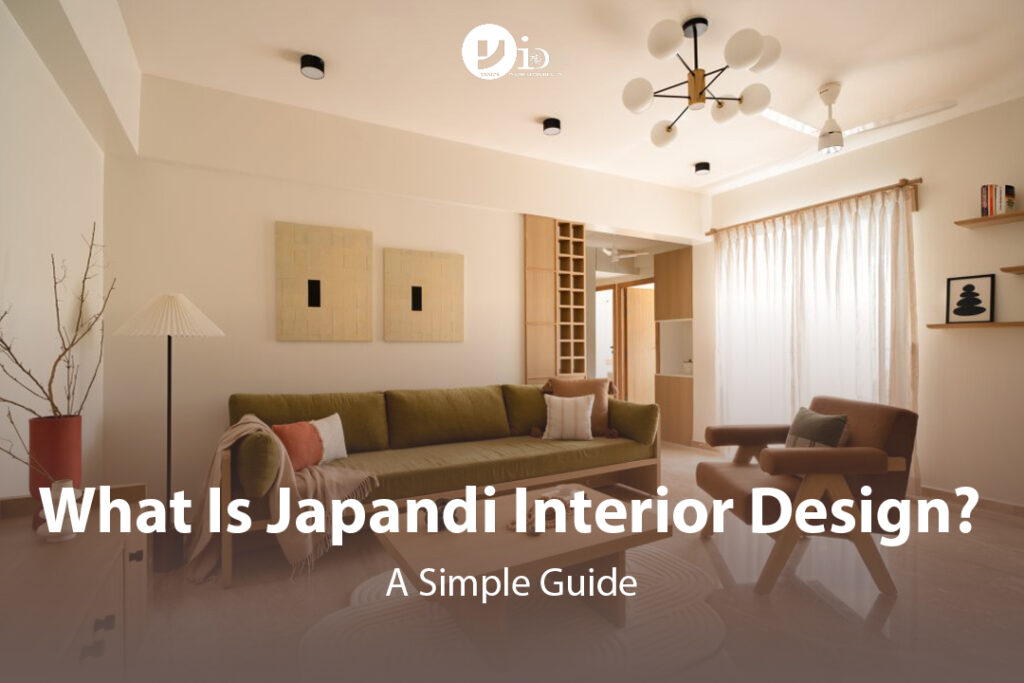
In today’s fast-paced, hyper-connected world, our homes are no longer just places to live; they are essential sanctuaries. There is a collective craving for calm, clarity, and intentional living, and no design style answers this call more perfectly than Japandi.
So, what is Japandi interior design?
At its simplest, Japandi is a hybrid design philosophy that merges Japanese minimalism with Scandinavian functionality. But this simple portmanteau doesn’t tell the whole story. It’s not a fleeting trend; it’s the result of a cultural dialogue that began over 150 years ago when Danish designers first travelled to Japan and discovered a shared appreciation for simplicity, natural materials, and craftsmanship.
This style goes beyond aesthetics. It blends two core philosophies: the Japanese concept of wabi-sabi (finding beauty in imperfection) and the Scandinavian concept of hygge (a life of comfort and coziness).
The result is a serene, timeless, and deeply intentional space that is both minimalist and warm, uncluttered and inviting. This guide will walk you through its core philosophies, key elements, and how to create calm, stylish spaces in your own home.
The Soul of Japandi: A Fusion of Two Philosophies
To truly understand Japandi, you must first understand the two worldviews it weaves together.
Japanese Wabi-Sabi: The Beauty of Imperfection
Wabi-sabi is a traditional Japanese worldview centered on the acceptance and celebration of transience and imperfection. It is the art of finding beauty in things that are “imperfect, impermanent, and incomplete”.
This philosophy is an antidote to our modern, disposable culture. In design, it manifests as a deep appreciation for:
- Authenticity: Valuing an object’s history and character.
- Natural Imperfection: Embracing the unique grain in a piece of wood, the irregular shape of a handmade ceramic vase, or the patina on aged materials.
- Simplicity: A focus on raw, natural, and modest beauty.
Scandinavian Hygge: The Art of Coziness
Hygge (pronounced “hoo-gah”) is a Danish and Norwegian concept that embodies warmth, comfort, and contentment. It’s a way of life centered on creating a warm, psychologically safe, and relaxing atmosphere.
Born from the need to survive long, dark Scandinavian winters, hygge in design translates to:
- Soft, Layered Textures: Plush wool throws, soft linen cushions, and layered rugs.
- Warm, Ambient Lighting: A rejection of harsh overhead light in favor of a soft glow from multiple sources, like table lamps, floor lamps, and candlelight.
- Comfort: Furniture that prioritizes comfort and invites you to relax.
How They Merge: Curated Comfort
Japandi creates the perfect balance. Wabi-sabi provides the minimalist restraint that prevents hygge from becoming sentimental or cluttered. In turn, hygge provides the tactile warmth and “lived-in” comfort that prevents wabi-sabi‘s minimalism from feeling cold, stark, or empty.
Key Elements: The Japandi Design Toolkit
Achieving the Japandi look relies on a curated set of elements that emphasize its core philosophies.
The Color Palette: Warm Neutrals and Rich Contrast
The Japandi palette is fundamentally neutral, calm, and serene. It starts with a base of warm, light neutrals common in Scandinavian design:
- Soft Whites
- Beige
- Cream
- Taupe
- Stone or Light Grays
However, what makes the Japandi palette unique is its intentional use of contrast. Borrowing from the richer Japanese aesthetic, the style incorporates dark, grounding accent colors to add depth and sophistication. These are not “bright” pops of color, but rather:
- Charcoal or Black
- Dark, earthy browns (like Walnut)
- Muted, nature-inspired hues like sage green, terracotta, or indigo.
Natural & Tactile Materials
A deep respect for natural, sustainable, and tactile materials is non-negotiable. This material honesty is a physical expression of wabi-sabi (imperfect surfaces) and hygge (tactile comfort).
- Wood is Central: Wood is the most important material. A signature Japandi move is to confidently mix wood tones. This typically involves blending light Scandinavian woods (like oak or ash) with richer, darker Japanese woods (like walnut or blackened timber).
- Other Natural Fibers: Referencing Japanese tradition, materials like bamboo, rattan, and paper are heavily featured, especially in lighting (paper lanterns), blinds, and seating.
- Textiles: All textiles are natural and textured. Think linen, brushed cotton, chunky wool knits, and jute.
- Hard Surfaces: Natural stone, marble, and concrete are used for floors and countertops to add a grounding, earthy element.
Furniture: Low-Profile, Clean Lines, and Craftsmanship
Japandi furniture is defined by four key characteristics: minimalism, functionality, clean lines, and exceptional craftsmanship.
The most defining feature is its low profile. Sofas, coffee tables, and bed frames are often designed to sit low to the ground. This is a direct influence from traditional Japanese living, which fosters a grounded, contemplative ambiance.
This is where the Scandi-Japanese fusion is most obvious. The style takes the low-slung, elegant form from Japan and fuses it with the ergonomic comfort of Scandinavia. You get the low-profile wooden sofa, but with the soft, hygge-approved linen cushions.
The Importance of “Ma” (Negative Space)
In Western design, “emptiness” is often seen as a void to be filled. In the Japanese aesthetic concept of Ma, this “negative space” is an active and essential element.
Ma is the “breathing room” in a composition—the intentional pause or gap that allows each piece to be seen and appreciated. In a Japandi home, this translates to uncluttered, open layouts where the space between furniture is just as important as the furniture itself.
Minimal, Intentional Decor
Japandi is about “mindful curation, not excessive decoration”. Every object should have a purpose or a deep personal meaning, adhering to the principle of “quality over quantity”.
- Ceramics: This is the primary decorative element. Handcrafted, imperfect, wabi-sabi pottery is a staple, from vases to bowls.
- Plants: Greenery is essential for its connection to nature. But instead of an “indoor jungle,” plantings are curated and sculptural—a single bonsai tree, a branch of cherry blossoms, or a fern in a minimalist pot.
- Textiles: Decor is often functional. Cozy throws, linen cushions, and natural-fiber rugs provide the hygge layer of warmth and texture.
How to Implement Japandi Interior Design (Room by Room)
Applying these principles is an exercise in balance. Here is a practical look at how to bring Japandi style into your home’s key spaces.
The Living Room: A Sanctuary of Calm
The Japandi living room is designed to be uncluttered, restful, and functional.
- Furniture: Start with a low-profile sofa with simple lines and natural upholstery (linen or wool). Pair it with a functional coffee table in natural wood.
- Storage: Hidden storage is essential. A clean-lined media console that conceals electronics is key to maintaining the “clutter-free” ethos.
- Lighting: Maximize natural light with sheer curtains. In the evening, rely on layered, warm, and diffused light from paper pendants, floor lamps, or table lamps.
The Bedroom: A Serene Retreat
This is the ultimate personal sanctuary, designed purely for rest and tranquility.
- Palette: Keep the color palette strictly muted, monochromatic, and neutral. Shades of taupe, beige, soft gray, and warm white are ideal.
- Furniture: The centerpiece is a low platform bed or a minimal wooden bed frame. Nightstands should be simple and functional.
- Textiles: Focus on high-quality natural bedding, such as soft linen or cotton, to provide that hygge comfort.
- Storage: This is crucial. Built-in or flat-front wardrobes are essential for keeping clothes and clutter out of sight, maintaining a “Zen-like” atmosphere.
The Kitchen: Functional Elegance
The Japandi kitchen perfectly balances Scandinavian functionality with Japanese minimalist elegance.
- Cabinetry: This is the defining feature. Opt for clean, flat-front cabinets. These are often handleless (using push-to-open mechanisms) or feature very minimal, discreet hardware.
- Materials: Natural wood is a must. Light oak or dark walnut cabinets are common. This is often paired with natural stone, marble, or concrete countertops.
- Storage: Prioritize function. Integrated, panel-ready appliances and smart, hidden storage solutions are key to keeping surfaces uncluttered.
Common Mistakes to Avoid (And How to Fix Them)
Japandi’s simplicity is deceptive; it’s difficult to get right. Here are common pitfalls and their solutions.
- The Mistake: It feels “cold, empty, and stark.”
- Why it Happens: This is the most common error. It comes from focusing only on Japanese minimalism (kanso) and completely forgetting Scandinavian hygge.
- The Fix: Aggressively layer textures. Add a plush wool rug, a chunky knit throw, and linen cushions. Ensure your lighting is warm and layered, not cold and overhead. The space should feel curated, not empty.
- The Mistake: It looks “beige and boring.”
- Why it Happens: A fear of using contrast, resulting in a flat, one-dimensional room.
- The Fix: Embrace contrast. A neutral room needs grounding. Add bold black or charcoal accents through light fixtures, thin window frames, or a dark-stained wooden coffee table. This adds visual depth and sophistication.
- The Mistake: It just looks like Mid-Century Modern (MCM).
- Why it Happens: MCM also uses clean lines and wood, so it’s an easy confusion.
- The Fix: Japandi is generally sleeker, more elegant, and lower-profile than MCM. Crucially, Japandi rejects the plastics, chromes, and high-gloss finishes sometimes seen in MCM, insisting on a strictly natural and often matte material palette.
Japandi vs Other Styles: What’s the Difference?
Why Japandi is More Than a Trend?
The global rise of Japandi is not just about aesthetics. It’s a response to a modern need for a more intentional way of living.
This design philosophy is a “quiet rebellion against excess and disposability”. It is inherently sustainable by championing:
- Quality over Quantity: Investing in timeless, high-quality, and well-crafted pieces that last a lifetime.
- Natural Materials: Prioritizing renewable and biodegradable materials like wood, bamboo, and linen.
- Mindful Living: Creating an uncluttered, calm environment that encourages mindfulness and reduces stress.
Create Your Calm, Stylish Space with Yang’s Inspiration Design
Japandi interior design proves that a home can be simple and uncluttered while also being warm, soulful, and deeply inviting. It’s a timeless philosophy for creating a personal sanctuary.
Achieving this blend of elegant simplicity and flawless function, however, requires more than just buying the right furniture. It demands expert craftsmanship and integrated project management. In Singapore, navigating HDB regulations and ensuring quality construction are paramount.
At Yang’s Inspiration Design, we specialize in bringing these thoughtful, high-quality designs to life. As an RCMA CaseTrust-accredited and HDB Licensed Contractor, we manage every detail in-house—from design and project management to our own carpentry, tiling, and electrical services. This integrated approach ensures the clean lines, meticulous craftsmanship, and serene finish that the Japandi style demands, all backed by our lifetime workmanship warranty.
If you’re ready to transform your home into a calm, stylish, and functional sanctuary, Get Free Quote.

November 4, 2025
Yang's Inspiration Insight