


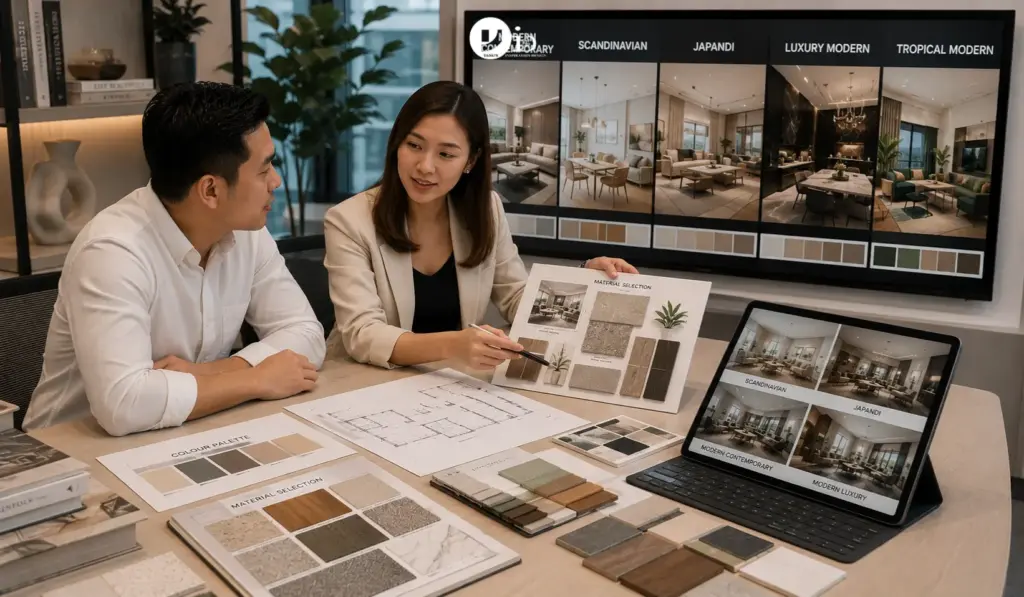
Choosing the right interior design style is one of the most important, and most overwhelming, decisions a Singapore homeowner faces. Whether you have just collected your BTO keys or are planning a resale HDB renovation, the style you select will shape how your home looks and feels for years to come. With dozens of design movements gaining popularity in 2026, from the serene warmth of Japandi to the raw energy of Modern Industrial, knowing the differences helps you communicate clearly with your interior designer and make confident decisions.
This guide breaks down the most popular interior design styles in Singapore, explains what makes each one distinct, and helps you match a style to your lifestyle, space, and budget.
Why Interior Design Style Matters Before You Renovate
Interior design style is not just about aesthetics. It influences every material selection, furniture choice, lighting decision, and colour palette, which means choosing a style late in the renovation process leads to inconsistency and costly changes. A well-defined style creates a cohesive brief that your interior designer can execute with precision.
In Singapore’s compact HDB and condo market, where every square metre matters, a clearly defined style also guides space planning decisions. Minimalist and Japandi styles, for instance, prioritise negative space and built-in storage, crucial for 3-room and 4-room flats. Modern Eclectic styles, by contrast, layer textures and accessories in ways that work better in larger landed properties.
The Most Popular Interior Design Styles in Singapore in 2026
1. Warm Minimalism
Warm minimalism is the dominant style in Singapore homes in 2026. It takes the clean lines and uncluttered spaces of classic minimalism and softens them with warmer tones, oat, warm beige, soft sage, and terracotta accents replace the cold whites and stark greys of earlier minimalist iterations. Natural materials like oak veneer, linen, and rattan bring tactile warmth without visual noise.
This style suits HDB BTOs and smaller condos well because it prioritises function and built-in storage, keeping spaces visually calm. It is also highly adaptable, you can introduce personality through cushions, artwork, and greenery without committing to a dramatic overhaul.
2. Japandi
Japandi blends Japanese wabi-sabi sensibility with Scandinavian simplicity. The result is a style defined by muted, earthy palettes (beige, cream, taupe, warm greys), low-profile furniture, natural wood joinery, and carefully selected objects that serve both form and function. In Japandi spaces, nothing is superfluous, every piece earns its place.
This style has become particularly popular for bedrooms and living rooms in Singapore HDB resale flats, where the discipline of the design helps older floor plans feel fresh and intentional.
3. Modern Scandinavian
Scandinavian design has been popular in Singapore for over a decade, but the 2026 iteration has moved away from the cooler “IKEA minimalism” of the early 2010s toward a warmer, more textured palette. Light ash or oak joinery, linen soft furnishings, organic curves in furniture, and layered natural textures characterise modern Scandinavian interiors.
It is a versatile style that works across property types, from 2-room flexi BTOs to 3-bedroom condos, and pairs well with Singapore’s preference for lighter, airier spaces that combat the heat.
4. Modern Industrial
Modern Industrial draws on raw, urban aesthetics: concrete screed or cement-look tiles, dark matte cabinetry, exposed metal accents, Edison-style pendant lighting, and open shelving. Unlike traditional industrial design, the modern version softens the rawness with warm wood tones and curated soft furnishings.
This style is popular for open-concept kitchen and living areas, and works particularly well in larger HDB 5-room flats and executive apartments where the scale can accommodate statement elements like exposed brick-effect walls or full-height metal-framed cabinetry.
5. Modern Classic / Timeless Transitional
Modern Classic combines the elegance of traditional design, cornices, panelling, marble surfaces, with contemporary proportions and neutral palettes. It is a popular choice for condominiums and landed properties where homeowners want a sense of permanence and luxury.
The style tends to involve higher material costs but ages well, making it a smart investment for long-term homeowners. Marble countertops, herringbone parquet flooring, and fluted panelling are signature elements.
How to Choose an Interior Design Style for Your Home
The right style is one that fits your lifestyle, not just your mood board. Consider these four questions before committing:
- How do you live? Active families with young children need durable, easy-to-clean surfaces, Warm Minimalism or Scandinavian with laminate cabinetry works well. Design-focused professionals may prioritise Japandi or Modern Classic aesthetics.
- What is your property type? HDB flats benefit from styles that maximise perceived space (Warm Minimalism, Japandi, Scandinavian). Larger condos and landed homes can accommodate bolder styles like Modern Classic or Industrial.
- What is your renovation budget? Industrial and Minimalist styles can be executed at a lower cost. Modern Classic with marble and custom millwork commands a premium.
- How long do you plan to stay? Trendy styles may feel dated in five years. If you are renovating a long-term home, lean toward timeless palettes that can be refreshed with accessories.
Mixing Styles: Cultural Fusion in Singapore Homes
Singapore’s multicultural identity has inspired a growing trend of cultural fusion in interior design. Homeowners are blending Japandi warmth with Peranakan tile accents, or pairing Scandinavian furniture with Malay rattan weaves. This approach allows for personalisation without sacrificing coherence, as long as a unified colour palette and consistent material language anchor the design.
An experienced interior designer can help translate fusion concepts into a cohesive brief. The key is identifying two or three dominant elements rather than blending too many competing influences.
Working with an Interior Design Firm in Singapore
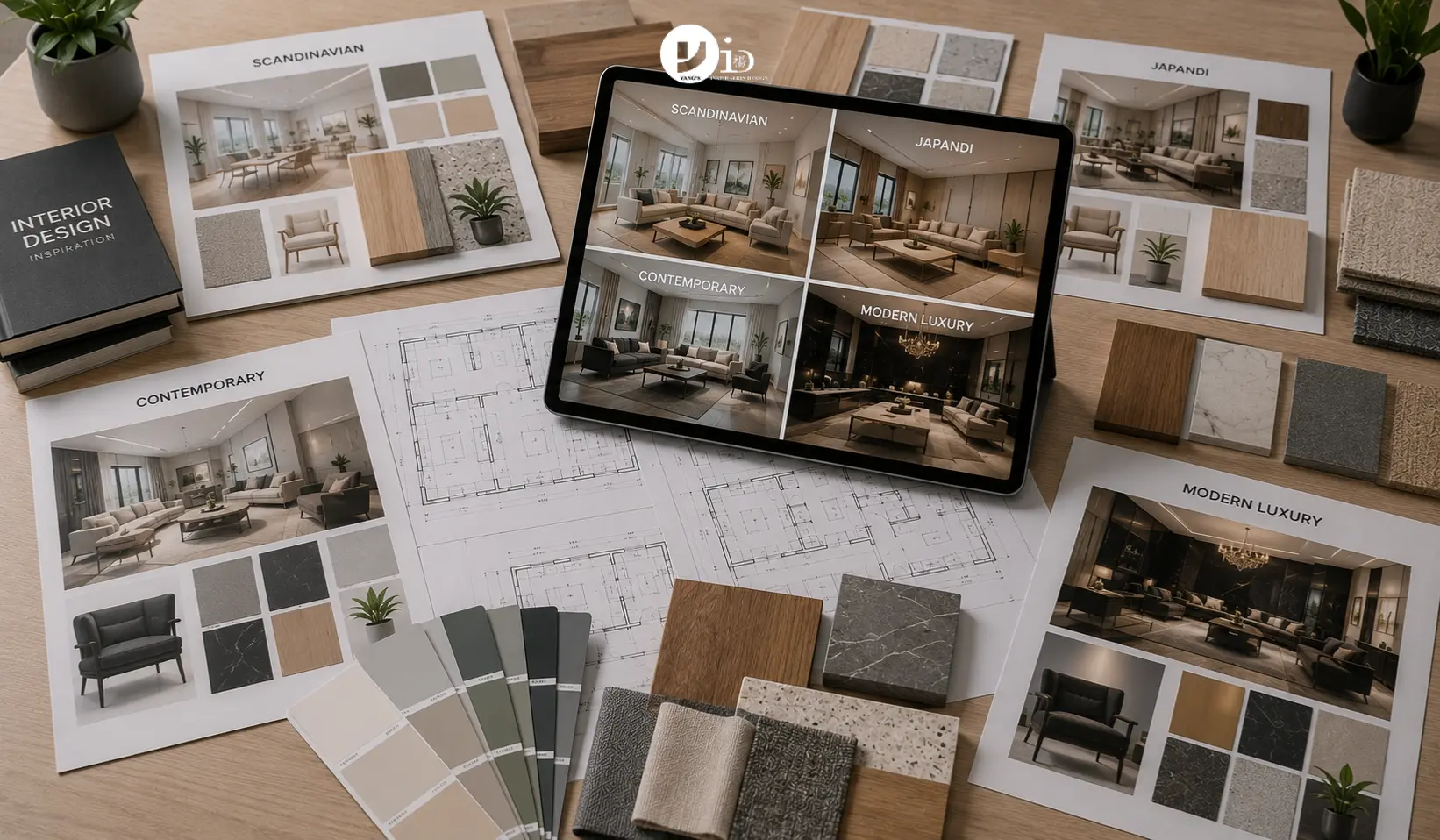
Once you have identified a style direction, working with a professional interior designer translates your vision into a buildable plan. A good ID firm will present mood boards, 3D renderings, and material samples that show how the style works in your specific floor plan.
Yang’s Inspiration Design, founded in 2017 and operating under the motto ‘Minimize Cost. Maximize Design,’ specialises in making quality interior design accessible to Singapore homeowners. Their team works across HDB BTOs, resale flats, and condominiums, helping clients define a style that suits both their aesthetic preferences and renovation budget. Learn more about their residential interior design services.
Frequently Asked Questions
What is the most popular interior design style in Singapore in 2026?
Warm Minimalism and Japandi are the two most sought-after styles in Singapore in 2026, favoured for their calm aesthetics, space efficiency, and compatibility with the tropical climate.
Which interior design style is best for a small HDB flat?
Warm Minimalism, Japandi, and Scandinavian styles are best for small HDB flats. All three prioritise built-in storage, light palettes, and uncluttered layouts that make compact spaces feel larger.
How much does it cost to renovate in a specific interior design style?
Costs vary significantly by style and property size. For a 4-room HDB flat, Warm Minimalist or Scandinavian renovations typically start from S$40,000–S$62,000, while Modern Classic renovations with premium materials can range from S$60,000–S$100,000 or more.
Can I mix interior design styles?
Yes, cultural fusion and transitional styles that blend two complementary aesthetics are increasingly popular in Singapore. The key is to maintain a consistent colour palette and material language across the home.
Conclusion
Understanding interior design styles before you begin your renovation gives you a clearer brief, reduces miscommunication with your designer, and ultimately produces a result you will be happy with for years to come. Whether you are drawn to the serene discipline of Japandi or the editorial warmth of Modern Classic, Singapore has a growing community of interior design firms equipped to bring your vision to life.
The first step is knowing what you want. The second is finding the right design partner to make it happen.

June 26, 2026
Yang's Inspiration Insight