


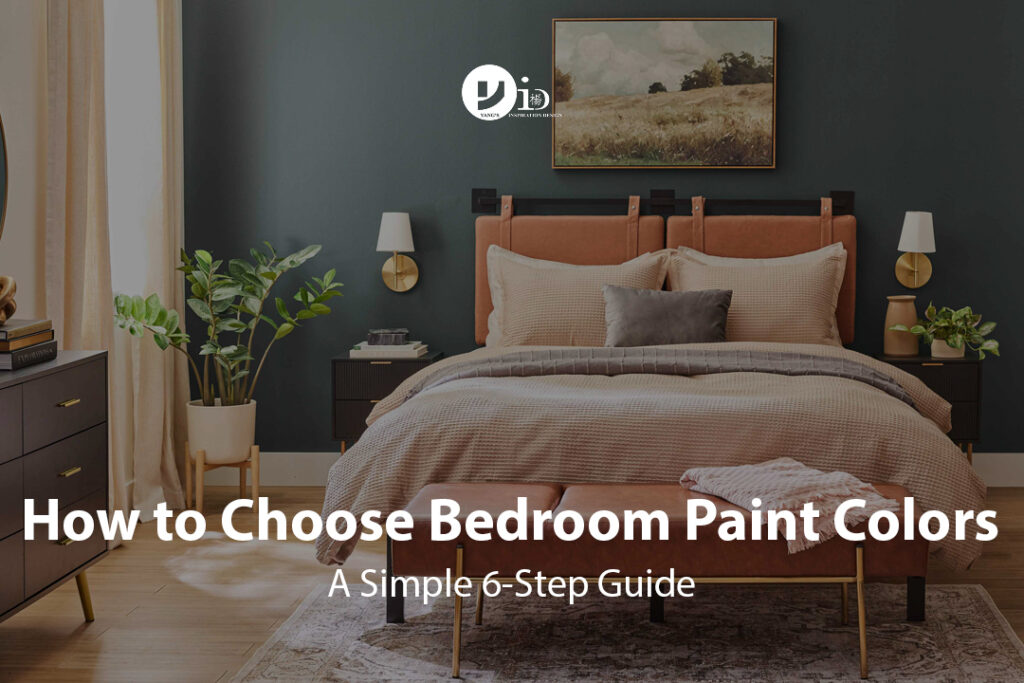
Choosing the perfect bedroom paint color is about more than just aesthetics; it’s about crafting an atmosphere that promotes restful sleep and reflects your personal style. With thousands of shades available, the process can feel overwhelming. However, the key to how to choose bedroom paint colors lies in a structured approach that considers psychology, lighting, and existing decor. Your bedroom is your personal sanctuary, a retreat from the hustle of Singapore life.
This guide simplifies the selection process into six easy steps, empowering you to choose a color that transforms your space into a place you’ll love to unwind in.
Step 1: Define Your Bedroom’s Mood and Desired Energy
Before you even look at a paint chip, ask yourself: how do you want your bedroom to feel? The psychology of color plays a crucial role in setting the tone of a room. The right hue can calm your mind, while the wrong one can leave you feeling subtly agitated. Understanding different interior design styles can help, but focusing on the energy is the first critical step.
For a Calm & Relaxing Sanctuary (Cool Tones)
If your goal is to create a tranquil, spa-like environment, cool tones are your best allies.
- Blues, Greens, and Muted Purples: These colors are scientifically shown to have a calming effect on the brain. They can help lower stress levels, reduce heart rate, and promote a sense of peace, making them ideal for a sleep sanctuary. Think of soft sky blues, gentle sage greens, or serene lavender hues to wrap your room in tranquility.
For a Cozy & Intimate Retreat (Warm Tones)
To make a bedroom feel more like a warm, enveloping hug, turn to warm tones. These colors absorb light, making a space feel snug and secure.
- Warm Neutrals: Shades like beige, taupe, and creamy off-whites create an instantly inviting and cozy atmosphere. They are sophisticated and timeless.
- Deep, Rich Shades: For a more dramatic and intimate feel, consider deep hues like a rich burgundy, charcoal grey, or a moody navy blue. These colours work exceptionally well in larger bedrooms, creating a boutique-hotel level of intimacy.
For an Energizing or Romantic Vibe (Warm Hues)
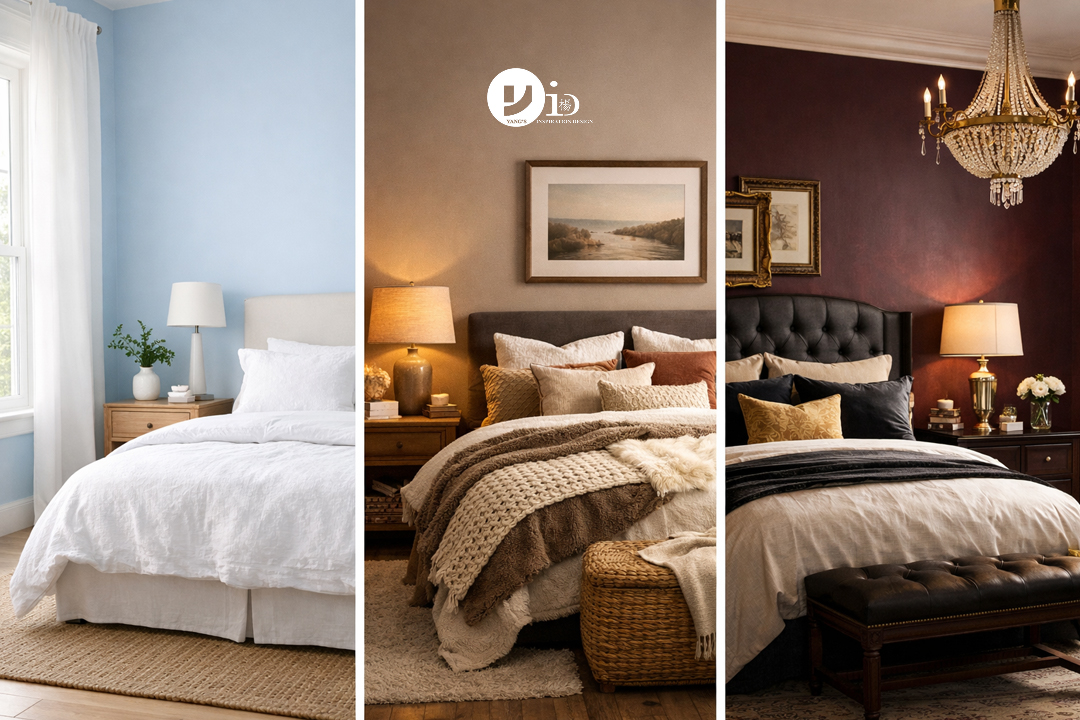
While highly stimulating colors like bright reds and vibrant yellows are generally not recommended for a sleep space, certain warm hues can create a specific, desired atmosphere.
- Romantic Shades: Soft, dusty pinks or rich, deep reds (used sparingly, perhaps on an accent wall) can evoke a sense of romance and passion without being overly stimulating. The key is to choose versions that are muted and deep rather than bright and energetic.
Step 2: Analyze Your Room’s Light, Size, and Architecture
A paint color never exists in a vacuum. Its appearance is dramatically altered by the room’s physical characteristics. What looks perfect in a showroom might look completely different in your HDB or condo bedroom.
The Impact of Natural Light (North vs. South Facing)
The quality and direction of natural light are paramount.
- North-Facing Rooms: These rooms receive cooler, indirect light throughout the day. A cool paint color can feel overly chilly here. To counteract this, opt for warmer paint colors—like creamy whites, greiges with warm undertones, or soft yellows—to make the space feel brighter and more inviting.
- South-Facing Rooms: These rooms are blessed with warm, bright light for most of the day. This intense light can make warm colors feel too aggressive. Cooler tones, like blues, greens, and cool grays, work beautifully to balance the warmth and create a refreshing atmosphere.
How to Choose Colors for Small or Low-Light Bedrooms
For smaller rooms, the goal is often to create an illusion of space. This is a common challenge in many Singapore apartments, but clever use of color can make a huge difference.
- Use Light-Reflecting Colors: Lighter colors are your best friend. Soft whites, pale blues, light grays, and pastels reflect both natural and artificial light, making the space feel larger, brighter, and more open. Explore these small bedroom interior design ideas for more inspiration.
Using Darker Hues in Large or Well-Lit Bedrooms
If you have a spacious master bedroom or one with large windows, you have the freedom to be bold.
- Embrace the Moody Vibe: Dark, moody colors like charcoal, navy, or forest green can add incredible sophistication and depth. Instead of feeling cramped, a larger room painted in a dark hue feels intentional, cozy, and luxurious—like a protective cocoon.
Don’t Forget Artificial Lighting
How the color looks at night is just as important. The type of lightbulb you use will change your wall color. When you’re choosing the right lighting for a bedroom, pay attention to its temperature, measured in Kelvins (K).
- Warm White (2700K-3000K): Gives off a yellowish glow, enhancing warm paint colors and softening cool ones.
- Cool White (3500K-4100K): Emits a brighter, whiter light that will amplify cool tones and can make warm tones look dull.
Step 3: Harmonize with Your Existing Decor and Undertones
One of the biggest mistakes homeowners make is choosing a wall color in isolation. For a professional, cohesive look, the paint must work with what’s already in the room—your flooring, headboard, wardrobe, and curtains. The secret to this is understanding undertones.
How to Identify Undertones in Your Furniture and Flooring
Undertones are the subtle hints of color hiding within a seemingly neutral shade. Your “grey” sofa isn’t just grey; it might have a blue, green, or purple undertone. Your “beige” flooring might lean towards pink, yellow, or green.
- How to Spot Them: Place a paint chip of your chosen color directly against your furniture or floor. Compare it to a sheet of pure white paper. The subtle underlying color will become more apparent. Does your beige carpet look slightly pinkish next to a green-beige paint chip? That’s the undertone at play.
Creating a Cohesive Look
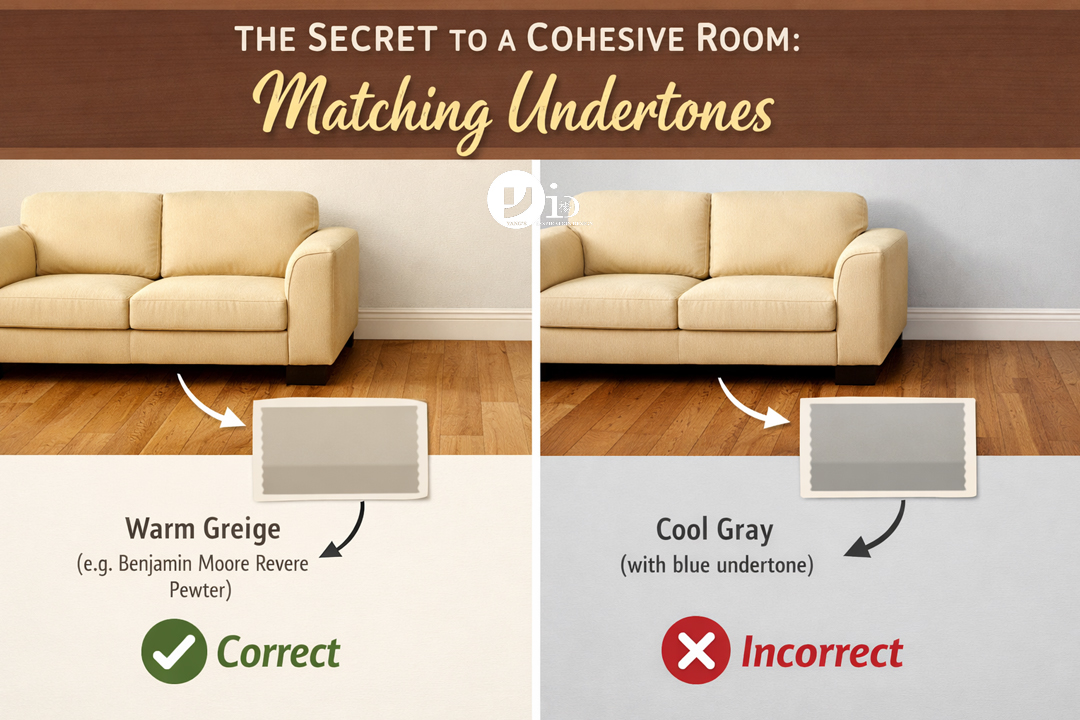
The goal is to match the undertones of your paint to the dominant undertones in your room’s fixed elements.
- Warm with Warm, Cool with Cool: If your furniture and flooring have warm, yellow, or reddish undertones, a paint color with similar warm undertones (like a beige with a yellow base or a greige with a brown base) will create harmony. If your decor has cool blue or green undertones, a paint with cool undertones (like a grey with a blue base) will feel seamless. This principle is key if you ever want to blend two interior styles seamlessly.
Using a Neutral Backdrop for Versatility
If you love changing up your decor, pillows, and art frequently, a neutral wall is your safest and most versatile choice. A wall painted in a complex neutral like a soft greige or a warm off-white provides a beautiful backdrop that allows your decor to take centre stage and gives you the flexibility to evolve your style over time, adhering to the principles of minimalist home design.
Step 4: Explore Popular & Trending Bedroom Color Palettes for 2026
Ready for some inspiration? Here are some of the most trusted and trending colours that our designers at Yang’s Inspiration Design love for creating a restful bedroom.
The Best Calming Blues for Better Sleep
Blue is a classic choice for a reason. It’s inherently calming and can help you drift off faster.
- Benjamin Moore Palladian Blue (HC-144): A beautiful, soft blue-green-gray that feels airy and sophisticated.
- Sherwin-Williams Aleutian (SW 6241): A dusty, muted blue with a hint of gray that is calming without feeling cold.
Serene & Nature-Inspired Greens
Green connects us to nature, creating a restorative and peaceful environment.
- Behr’s Secret Meadow (S360-6): A deep, earthy sage green that feels grounding and cozy.
- Sherwin Williams’ Sea Salt (SW 6204): An iconic chameleon color that shifts between green and blue depending on the light. It’s incredibly serene and perfect for a coastal or spa-like feel.
Timeless & Sophisticated Grays and Greiges
Gray provides a neutral, sophisticated canvas. The key is to choose the right undertone.
- Benjamin Moore Revere Pewter (HC-172): The quintessential “greige” (a mix of gray and beige). It’s a warm gray that works in almost any lighting condition.
- Benjamin Moore Classic Gray (OC-23): A soft, warm off-white with a touch of gray. It’s light and airy but with more body than a stark white.
2026 Trend Spotlight: Warm Browns and Earthy Clay Tones
The trend for 2026 is moving away from cool grays and towards warmer, more enveloping hues. These colours create a sense of comfort and security. Think of rich chocolate browns, warm terracotta, and muted clay pinks. These earthy tones pair beautifully with natural materials like wood, linen, and rattan, creating a grounded and deeply relaxing space that’s perfect for a modern interior design aesthetic.
Step 5: Choose the Right Paint Finish (Sheen Matters!)
Your color choice is only half the battle; the paint’s finish, or sheen, affects its durability, washability, and overall look. This is a detail that many overlook but makes a significant difference.
Matte/Flat
This finish has no shine, giving it a soft, velvety appearance.
- Pros: It excels at hiding minor imperfections on walls, like bumps or patches. The rich, chalky look is very sophisticated.
- Cons: It’s the least durable finish and is difficult to clean; scrubbing can remove the paint. Best for low-traffic areas like ceilings or formal guest bedrooms.
Eggshell
With a very subtle, low sheen that resembles the surface of an eggshell, this is the go-to finish for most interior designers.
- Pros: It offers a great balance between the soft look of matte and improved durability. It’s much easier to wipe clean than matte, making it the most popular and practical choice for most bedrooms.
- Cons: It may highlight wall imperfections slightly more than a flat finish.
Satin

Satin offers a soft, subtle glow.
- Pros: It’s even more durable and scrubbable than eggshell, making it a great choice for kids’ bedrooms or high-traffic areas. It’s also the standard finish for trim, windows, and doors.
- Cons: The higher sheen will make wall imperfections more noticeable.
Step 6: The Smart Way to Test Your Top Choices
Never, ever commit to a color based on a tiny paint chip from the store. Testing is the most critical step to avoid a costly mistake and ensure you love the final result.
The Poster Board Method
Painting swatches directly onto your current wall is a mistake. The existing color will influence how you perceive the new one.
- The Right Way: Get large white poster boards (at least A3 size) or peel-and-stick paint samples. Paint two full coats of your sample paint onto the board and let it dry completely. This allows you to see the true, saturated color.
Test in Multiple Locations & Times of Day
Tape your painted poster board to the wall and move it around the room throughout the day.
- Observe the Changes: How does the color look in the bright morning light? How does it change in the warm afternoon sun? How does it look at night with your lamps on? Check it against your bed frame, next to your window trim, and in the darkest corner of the room. This process will reveal the color’s true character and undertones.
Use Paint Visualizer Apps to Get Started
Before buying physical samples, technology can help you narrow your choices.
- Virtual Painting: Apps like Sherwin-Williams’ ColorSnap® or Benjamin Moore’s Color Portfolio™ allow you to upload a photo of your bedroom and “paint” the walls digitally. While not 100% accurate, they are an excellent tool for quickly eliminating colors that definitely won’t work.
Conclusion: Your Path to the Perfect Bedroom
Learning how to choose bedroom paint colors is a journey of discovery. By following this simple 6-step process—starting with Mood, analyzing your Room, harmonizing with Decor, finding Inspiration, selecting a Finish, and finally, smart Testing—you can move past the overwhelm and confidently select a hue that is perfect for you. This methodical approach ensures your final choice will not only look beautiful but will actively contribute to making your bedroom a true personal sanctuary for rest and rejuvenation.
While these steps can guide you to a fantastic result, navigating the nuances of undertones and lighting can still be tricky. For a truly seamless and professional finish, the expertise of a seasoned professional is invaluable. As a trusted interior design firm in Singapore, Yang’s Inspiration Design specialises in translating your vision into a perfectly executed reality, ensuring every detail, from paint color to furniture placement, is flawless.
Ready to transform your vision into reality with expert guidance? WhatsApp us at +65 8855 7575 for a free, no-obligation consultation with our design experts today!

January 14, 2026
Yang's Inspiration Insight