


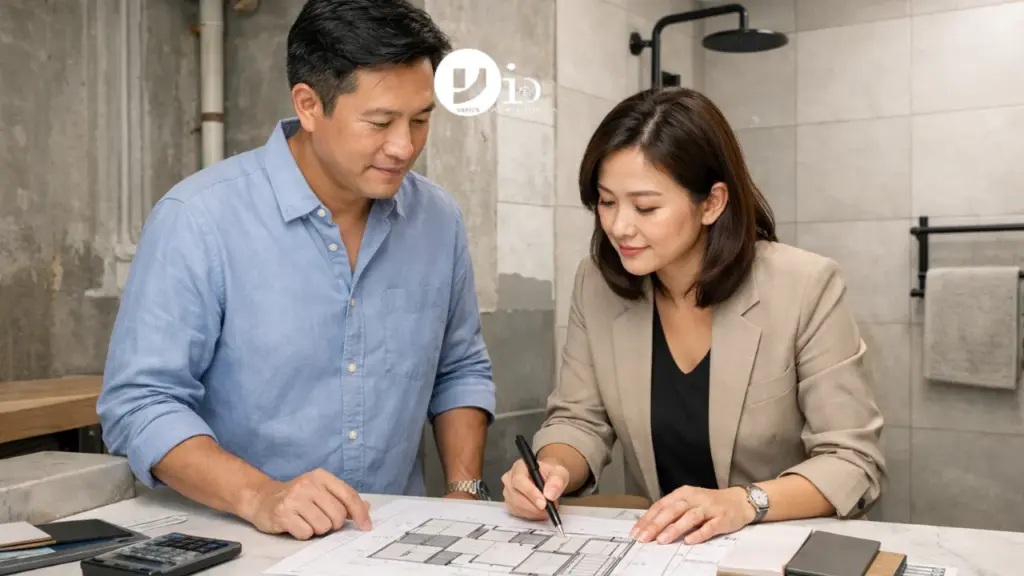
In Singapore’s residential landscape, the HDB toilet renovation is often underestimated in planning complexity. Despite being one of the smallest spaces in the home, it is also among the most technically constrained, governed by strict regulations, spatial limitations, and long-term waterproofing considerations.
For homeowners navigating toilet & bathroom renovation in Singapore, the challenge is rarely aesthetic alone. It is a layered decision involving compliance with HDB guidelines, alignment with flat type (BTO vs resale), and cost structuring, especially when evaluating options such as a 2 toilet renovation package or full HDB bathroom & 2 toilet renovation package.
Understanding how these factors interact is essential before design decisions are made.
Understanding the Structural Constraints of HDB Toilet Renovation
Unlike other interior spaces, HDB bathrooms operate within a tightly regulated framework. These constraints are not arbitrary, they are designed to protect structural integrity, waterproofing systems, and neighbouring units.
In BTO flats, toilets often come with pre-installed waterproofing layers and wall finishes. This significantly affects renovation scope. Homeowners considering modifications must assess whether hacking is permitted or if overlay solutions are more viable. This is where broader BTO renovation planning considerations become relevant, as bathroom decisions are closely tied to the flat’s initial condition.
For resale flats, the situation differs. Older units may allow more flexibility, but they often come with aging plumbing systems and degraded waterproofing. This introduces a different type of complexity, risk management rather than restriction.
From a planning perspective, the implication is clear:
Bathroom renovation is not purely a design exercise. It is a structural decision that influences cost, timeline, and long-term maintenance.
Cost Structure and What Drives Pricing in Singapore
When homeowners explore 2 toilet renovation package price or full bathroom packages, there is often an expectation of standardisation. In reality, pricing varies significantly depending on scope and technical requirements.
A typical HDB toilet renovation package may include:
- Hacking and disposal
- Waterproofing
- Tiling works
- Plumbing and sanitary fittings
- Ceiling and lighting
However, the real cost drivers lie beneath these surface inclusions.
Waterproofing quality, tile selection, concealed piping adjustments, and layout changes can all shift the budget considerably. Additionally, whether the renovation involves one bathroom or a 2 toilet renovation package introduces economies of scale, but also coordination complexity.
A more reliable approach is to view budgeting through a structured lens rather than relying on package pricing alone. Adopting a structured bathroom renovation budgeting approach allows homeowners to understand where costs are allocated and where strategic trade-offs can be made.
In Singapore, this level of clarity is particularly important due to labour costs, compliance requirements, and the long-term consequences of poor execution.
Layout Efficiency and Spatial Planning in Compact Bathrooms
Space is one of the defining constraints of HDB bathrooms. Whether in a BTO or resale flat, inefficient layout decisions can compromise usability for years.
The distinction between a visually appealing bathroom and a well-functioning one often lies in spatial planning. This includes:
- Shower area positioning
- Dry vs wet zone separation
- Door swing clearance
- Storage integration
In compact bathrooms, every centimetre matters. This is where space-efficient bathroom storage planning ideas become critical, not as decorative additions, but as functional solutions integrated into the layout.
For example, recessed niches, wall-mounted vanities, and vertical storage systems can significantly improve usability without increasing footprint.
From a design intelligence perspective, layout planning should always precede material selection. Without this hierarchy, even premium finishes cannot compensate for poor spatial decisions.
Design Direction, Beyond Aesthetic Trends
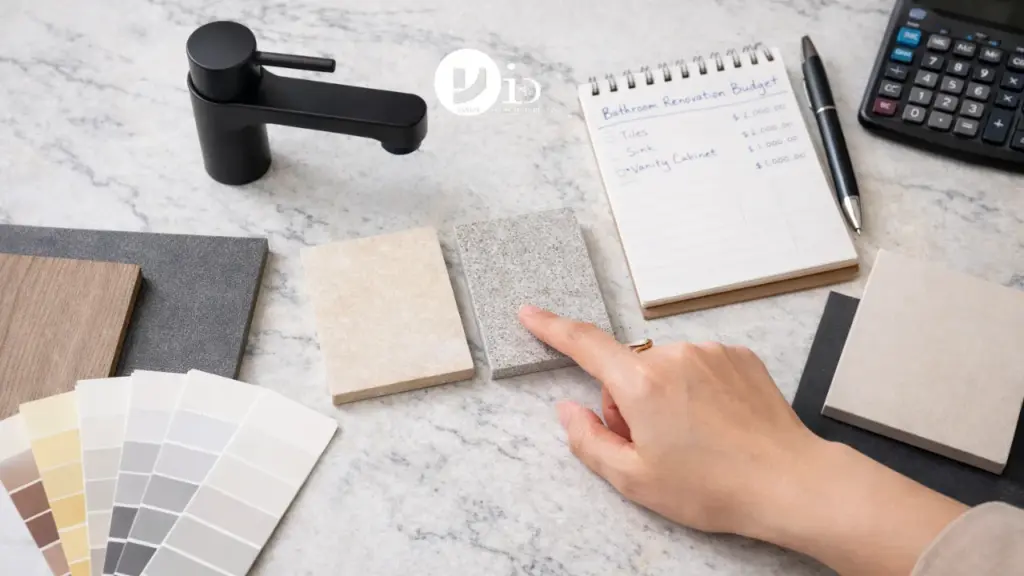
Homeowners often approach toilet renovation Singapore with strong visual references, spa themes, minimalist palettes, or hotel-inspired finishes. While these directions are valid, they must be translated within the constraints of HDB bathrooms.
The key is not to replicate inspiration directly, but to interpret it strategically.
Drawing from practical bathroom design transformation concepts, successful designs typically prioritise:
- Material durability over novelty
- Ease of cleaning over visual complexity
- Lighting integration that enhances perceived space
- Consistent detailing across fixtures
For instance, large-format tiles may reduce grout lines and improve maintenance, while neutral palettes can visually expand smaller bathrooms.
The implication is subtle but important:
Good bathroom design in Singapore is less about stylistic expression and more about controlled execution within constraints.
Timeline, Coordination, and Execution Risks
Bathroom renovation is one of the most disruption-intensive components of a home upgrade. Unlike living rooms or bedrooms, it directly affects daily routines.
Understanding renovation project timeline expectations is therefore critical. Bathroom works typically involve multiple trades, demolition, waterproofing, tiling, plumbing, and electrical, each requiring sequencing and curing time.
Rushing this process, particularly waterproofing, can lead to long-term defects that are costly to rectify.
For homeowners considering a resale HDB toilet renovation package or multi-bathroom upgrades, coordination becomes even more critical. Parallel works may shorten timelines, but they also increase execution risk if not managed properly.
A strategic approach would involve:
- Staggered renovation phases if possible
- Temporary bathroom arrangements
- Clear contractor communication protocols
Execution quality in bathroom renovation is less visible at handover, but far more consequential over time.
A well-executed HDB toilet renovation is not defined by visual appeal alone. It is the result of disciplined planning across regulations, layout efficiency, cost structuring, and execution sequencing.
In Singapore’s context, where space is limited and compliance is non-negotiable, the bathroom becomes a technical design challenge rather than a purely aesthetic one.
Whether evaluating a condo toilet renovation package, a BTO toilet renovation package, or a full HDB bathroom & 2 toilet renovation package, the most effective approach is one grounded in planning intelligence rather than surface comparison.
For homeowners seeking a more structured perspective on how bathroom renovation integrates into the overall home environment, exploring a broader residential interior design planning approach can provide valuable clarity on sequencing, budgeting, and design alignment.
This ensures that decisions made at the bathroom level are not isolated, but contribute meaningfully to the cohesion and long-term performance of the entire home.

March 18, 2026
Yang's Inspiration Insight