



Condo renovation in Singapore operates within a uniquely structured environment, defined by management regulations, spatial constraints, and increasingly sophisticated homeowner expectations. Unlike landed properties, condominium units demand a more calibrated approach where design ambition must align with practical feasibility, compliance requirements, and long-term usability.
For many homeowners, renovation is initially perceived as a visual transformation. However, a well-executed condo renovation is fundamentally a planning exercise, one that integrates spatial efficiency, cost discipline, and design coherence. This distinction becomes particularly important in Singapore, where property value, space optimisation, and lifestyle adaptability are closely interconnected.
This guide approaches condo renovation not as a checklist of upgrades, but as a strategic framework, helping homeowners understand cost structures, design implications, and planning decisions that influence both immediate outcomes and long-term value.
Reframing Condo Renovation Beyond Aesthetic Upgrades
A common misconception is that renovation begins with finishes, materials, colours, or stylistic direction. In reality, effective condo renovation begins with clarity on scope and intent.
At its core, renovation is about reconfiguring how a space functions. This includes circulation flow, storage integration, lighting hierarchy, and spatial zoning. For homeowners unfamiliar with this distinction, developing a clear understanding of how renovation actually operates at a structural and functional level becomes essential.
This is where grounding your approach in understanding what renovation really involves provides necessary perspective. It shifts the focus from isolated design decisions to a coordinated system, where layout, services, and finishes are interdependent.
In Singapore condos, this reframing is particularly important because:
- Structural alterations are often restricted
- Wet areas (kitchen/bathroom) have regulatory limitations
- Space efficiency directly impacts livability
As a result, renovation decisions cannot be made in isolation. Every intervention must be evaluated in terms of its broader spatial and functional impact.
Understanding Condo Renovation Cost & Financing in Singapore
Cost is often the most immediate concern for homeowners, yet it is frequently approached without sufficient structure. Condo renovation costs in Singapore are not simply determined by size, they are shaped by scope, material selection, and complexity of work.
Cost Structure Considerations
A typical condo renovation cost includes:
- Demolition and hacking (where permitted)
- Carpentry and built-in storage
- Electrical and lighting systems
- Plumbing adjustments
- Finishes (flooring, surfaces, paint)
However, beyond these components, the degree of customisation significantly affects cost. Tailored storage systems, concealed services, and integrated lighting design increase both labour and coordination requirements.
Financing Perspective
From a planning standpoint, financing should not merely focus on affordability, but on allocation efficiency. A well-structured renovation budget prioritises:
- High-impact functional zones (kitchen, storage, lighting)
- Durable materials for long-term maintenance
- Scalable design elements that allow future flexibility
Equally important is timeline alignment. Understanding how a structured renovation timeline typically unfolds helps homeowners anticipate cost distribution across phases, reducing the risk of budget overruns caused by reactive decision-making.
In Singapore’s context, disciplined budgeting is not about minimising cost, it is about ensuring that each dollar contributes meaningfully to spatial performance and long-term value.
Planning Constraints Unique to Singapore Condominiums
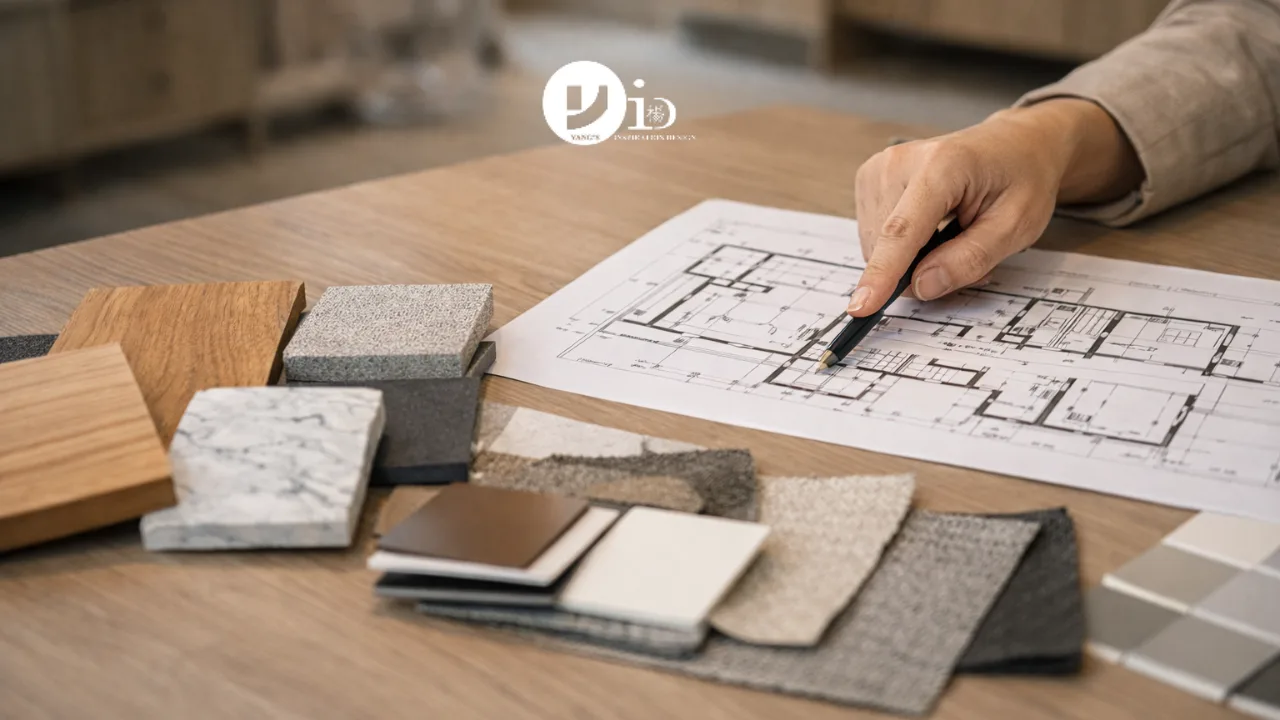
Condo renovation introduces a layer of complexity that is often underestimated. Management regulations, structural limitations, and neighbour considerations create boundaries that must be navigated carefully.
Regulatory and Structural Constraints
- Restrictions on hacking structural walls
- Limited flexibility in relocating plumbing systems
- Noise and work-hour limitations
- Approval processes from MCST (Management Corporation)
These factors directly influence design feasibility. For example, while an open-concept kitchen may appear desirable, practical constraints may limit the extent of modification possible.
Risk Management
Beyond regulatory considerations, homeowners must also evaluate execution risks. Engaging contractors without structured oversight can lead to cost escalation, delays, or compromised workmanship.
This is where awareness of how to safeguard against unreliable renovation practices becomes critical. It is not merely about avoiding fraud, it is about ensuring accountability, documentation, and process transparency throughout the renovation lifecycle.
Functional Design Integration
Within these constraints, design becomes an exercise in optimisation rather than expansion. For instance, adopting practical kitchen design strategies for condominiums allows homeowners to enhance usability without requiring major structural changes.
The most effective condo renovations are those that work intelligently within constraints, rather than attempting to override them.
The Role of Interior Design in Condo Renovation
A key decision point for homeowners is whether to engage an interior designer or rely solely on contractors. This decision has significant implications for both outcome quality and process efficiency.
Design vs Execution
Contractors typically focus on execution, delivering based on instructions. Interior designers, on the other hand, operate at the planning level:
- Spatial configuration
- Material coordination
- Lighting strategy
- Aesthetic coherence
Understanding this distinction is crucial when selecting the right interior design professional. The value of design lies not only in visual refinement, but in reducing inefficiencies, preventing costly rework, and aligning all elements into a cohesive system.
Integrated Design Thinking
In Singapore condos, where space is limited, design integration becomes particularly valuable. Elements such as built-in storage, concealed lighting, and multi-functional zones require early-stage planning, not reactive adjustments.
Without this integration, homeowners often encounter fragmented outcomes, where individual components work, but the overall space lacks cohesion.
Designing for Long-Term Adaptability
One of the most overlooked aspects of condo renovation is future adaptability. Many renovations are executed with immediate needs in mind, without considering how lifestyle requirements may evolve.
In Singapore, where property tenure and long-term occupancy are common, this becomes a critical oversight.
Designing Beyond the Present
Forward-thinking renovation strategies include:
- Flexible layouts that can adapt to changing family needs
- Modular storage systems
- Neutral design frameworks that accommodate future updates
Incorporating integrating smart design features into condo living further enhances adaptability. Smart lighting, automated systems, and integrated controls allow spaces to evolve without requiring major structural changes.
Value Preservation
A well-planned renovation does not merely enhance current living conditions, it preserves and potentially enhances property value. This is particularly relevant in Singapore’s competitive property market, where design quality increasingly influences buyer perception.
Condo renovation in Singapore is not a linear process, it is a multi-layered exercise requiring coordination between design intent, regulatory compliance, cost management, and long-term planning.
Homeowners who approach renovation purely as a visual upgrade often encounter limitations that could have been anticipated. In contrast, those who adopt a structured planning mindset, prioritising functionality, integration, and adaptability, achieve outcomes that are both aesthetically refined and operationally sound.
Ultimately, successful condo renovation is not defined by trends or finishes, but by how effectively the space supports everyday living while remaining resilient to future change.
For homeowners seeking a more structured approach to condo renovation, engaging a design team that understands both spatial planning and Singapore’s regulatory environment can provide greater clarity and control throughout the process.
Exploring how a professionally guided residential design approach is structured can offer valuable insight into aligning renovation decisions with long-term living objectives.


April 8, 2026
Yang's Inspiration Insight