


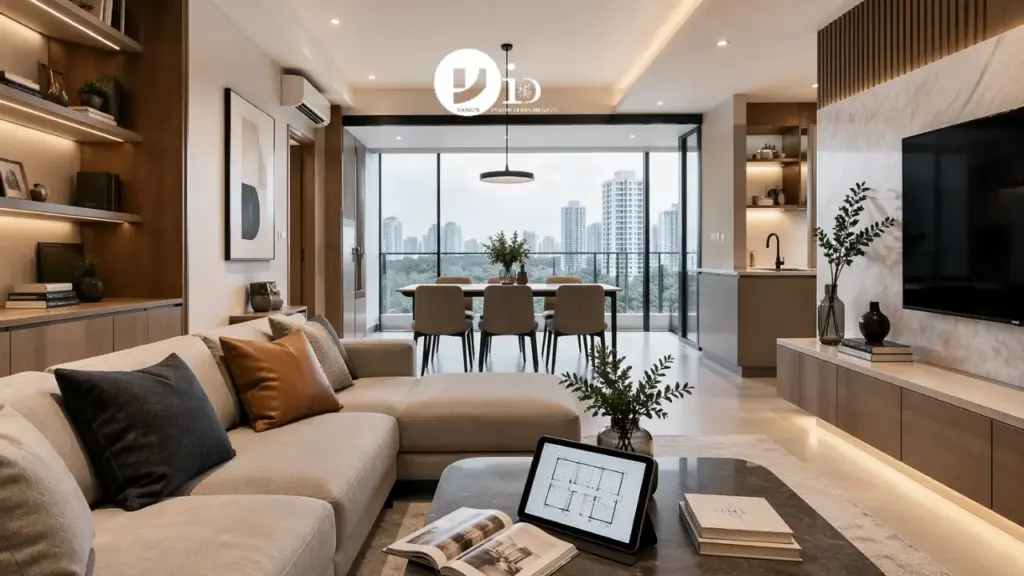
Condominium living in Singapore represents a unique intersection of compact urban planning and lifestyle aspiration. Unlike landed homes, condo units are shaped by structural constraints, shared infrastructure, and limited spatial flexibility, yet they also offer opportunities for highly refined, efficient interior environments.
For homeowners navigating condo interior design Singapore, the challenge is rarely about aesthetics alone. It is about aligning design intent with spatial logic, regulatory considerations, and long-term usability. Renovation decisions must account for both immediate lifestyle needs and future adaptability.
This guide approaches condominium interior design & renovation from a planning-first perspective, helping homeowners move beyond surface styling toward structured, intelligent design decisions.
Understanding Condo Design Constraints and Opportunities
Before exploring design ideas, it is critical to understand what differentiates condominiums from other residential types in Singapore.
Compared to HDB flats or landed homes, condos often come with stricter structural limitations. Load-bearing walls, service ducts, and building management regulations can significantly influence renovation scope. This is where understanding the differences between condo and apartment interior design becomes essential in framing realistic expectations.
At the same time, condos tend to offer more contemporary layouts and higher baseline finishes. This creates a dual-layer challenge: enhancing without over-renovating.
The living room, for instance, is often the central spatial anchor. Applying refined condo living room design strategies allows homeowners to define zones without compromising openness, balancing privacy, entertainment, and visual continuity.
In Singapore’s context, where unit sizes vary widely from compact one-bedroom layouts to larger family units, zoning becomes the foundation of successful design. Without clear spatial definition, even visually appealing interiors can feel inefficient or disjointed.
Space Optimisation as the Core Design Strategy
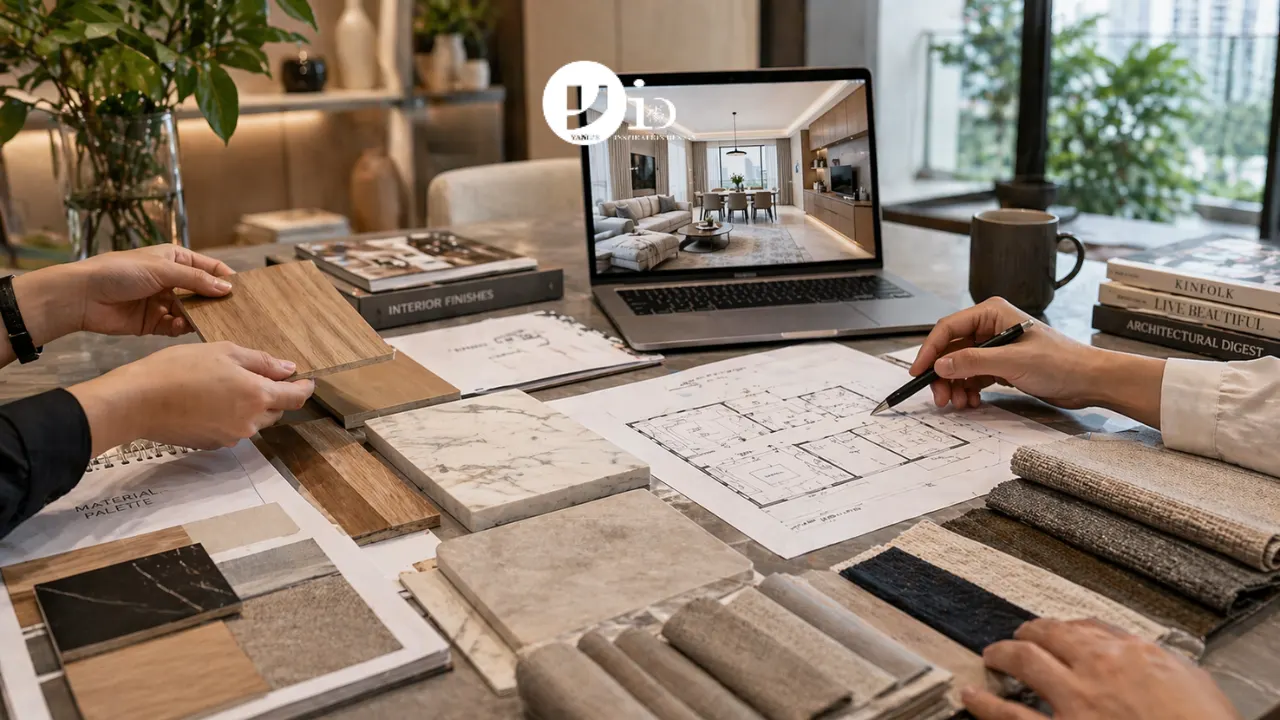
Space is the most valuable asset in any Singapore condominium. As such, optimisation is not a feature, it is the framework through which all design decisions should be filtered.
One of the most effective approaches lies in creating a multifunctional space. Instead of assigning rigid functions to each area, modern condo design embraces flexibility. A dining area may double as a workspace; a living zone may incorporate concealed storage or guest accommodation.
However, multifunctionality must be intentional, not improvised. Poorly planned dual-use spaces often result in clutter or compromised comfort.
Storage planning plays a parallel role. Integrating built-in storage solutions for the living room allows homeowners to maintain visual clarity while increasing functional capacity. This is particularly relevant in smaller units, where freestanding furniture can quickly overwhelm the space.
In Singapore’s climate and lifestyle context, hidden storage also supports easier maintenance. Clean lines, reduced dust accumulation zones, and efficient organisation contribute to long-term livability, not just initial aesthetics.
Ultimately, space optimisation is less about making a small space feel bigger, and more about making every square metre purposeful.
Integrating Smart and Adaptive Design Features
As condominium living evolves, so does the expectation for intelligent homes. Technology is no longer an add-on, it is increasingly embedded into the design process itself.
Incorporating smart condo interior design ideas enables homeowners to enhance convenience without compromising design integrity. Lighting automation, climate control, and integrated appliances can be seamlessly incorporated into cabinetry and architectural elements.
However, the key consideration is not technology adoption, but integration.
In Singapore’s dense urban environment, where privacy, energy efficiency, and comfort are closely linked, smart systems can significantly improve daily living. For example, automated lighting can adapt to natural daylight conditions, while smart air-conditioning systems can optimise energy consumption.
The design implication here is subtle but important: technology should be invisible in form but impactful in function.
Overtly “tech-heavy” interiors often age quickly. In contrast, well-integrated smart features extend the lifespan of a design by supporting evolving lifestyle needs.
Material, Colour, and Spatial Perception
While layout and functionality form the backbone of condo interior design, material and colour choices define the experiential quality of the space.
In Singapore’s compact interiors, lighter palettes are often used to enhance spatial perception. However, this does not mean all-white interiors are the default solution. Strategic contrast, through textures, feature walls, or material transitions, can create depth without reducing openness.
Material selection must also consider humidity, maintenance, and durability. High-gloss finishes, for instance, may appear visually appealing but can require more upkeep in humid conditions.
Similarly, flooring choices influence not just aesthetics but also acoustics and comfort, particularly in high-rise living environments.
The key is coherence. Every material and colour decision should reinforce the overall spatial strategy, rather than exist as isolated design statements.
Balancing Lifestyle Vision with Renovation Reality
One of the most overlooked aspects of Singapore condo interior design is the gap between inspiration and execution.
Homeowners often begin with visual references, Pinterest boards, showroom visits, or social media inspiration. While these are valuable, they rarely reflect the constraints of specific units.
Strategic design requires translating lifestyle goals into spatial solutions.
For example:
- A homeowner prioritising entertaining guests may need an open-plan layout with flexible seating.
- A work-from-home professional may require acoustic zoning and integrated workspace solutions.
- A growing family may prioritise storage scalability and adaptable rooms.
The renovation process must reconcile these needs with budget, timeline, and regulatory constraints.
This is where structured planning becomes critical. Without it, design decisions tend to be reactive rather than intentional, leading to compromises that could have been avoided with early-stage clarity.
Choosing the Right Condo Interior Designer
Space optimisation and smart integration only matter if the designer executing them understands condo-specific constraints. Evaluating a designer for a condo project is a different exercise from evaluating one for a landed home, and homeowners often default to portfolio aesthetics when a more structured assessment would serve them better.
- Portfolio depth versus relevance: prior landed or commercial projects do not guarantee competency with the tighter layouts and shared-infrastructure limitations of condo units
- Planning clarity during consultation: a strong designer probes lifestyle patterns and spatial bottlenecks rather than jumping straight to visual concepts
- Design logic over trend adoption: trends such as open shelving or dark palettes can compress a small condo visually, and a capable designer filters them through practicality
The distinction that separates high-value condo designers from average ones comes down to three habits: anticipating structural and regulatory limitations before they surface as problems, integrating layout, lighting, storage, and materials into one coherent system rather than treating them separately, and designing with buildability, cost, and timeline realism in mind from the outset.
Matching Style Direction to Your Layout
Once space planning is resolved, style becomes the next decision, but it works best when it follows layout logic rather than leading it. In Singapore, condo interiors commonly gravitate toward a handful of directions: minimalist and Scandinavian-influenced palettes, Japandi hybrid aesthetics that blend Japanese restraint with Scandinavian warmth, and contemporary neutral schemes built around a single accent material.
None of these styles is a default choice. Open, loosely zoned layouts tend to favour minimalist or contemporary treatments, while more compartmentalised units often need stronger visual transitions between rooms to avoid feeling fragmented. Smaller units in particular benefit from cohesive, restrained palettes and concealed storage that keep sightlines uninterrupted.
Sequencing matters here: spatial analysis and layout optimisation should come first, followed by functional zoning, with style articulation applied last. Homeowners who select a style before resolving layout often find themselves compromising on both, since a well-planned layout can carry even a simple design language, but strong styling cannot compensate for a poorly optimised floor plan.
Condo interior design in Singapore is not defined by trends, but by how effectively space, function, and lifestyle are aligned.
From understanding structural limitations to implementing multifunctional layouts and integrating smart systems, every decision contributes to the overall quality of living. A well-designed condo is not simply visually appealing, it is intuitive, efficient, and adaptable.
For homeowners exploring unique condominium interior design ideas in Singapore, the real value lies in moving beyond isolated inspiration toward cohesive planning.
For homeowners seeking clarity in navigating condominium interior design & renovation, a structured approach often makes the difference between a visually pleasing outcome and a truly functional home.
Exploring a more comprehensive perspective on condo interior design solutions tailored for Singapore living can help align design intent with spatial reality, ensuring that every decision contributes meaningfully to long-term comfort and usability.

April 10, 2026
Yang's Inspiration Insight