


Whether you’re moving into a new condo or a fresh apartment, the question is the same: How can I make this space truly mine? The core difference in condo vs apartment interior design boils down to one critical factor: ownership. This single distinction dictates your entire approach, shaping a contest of customization freedom vs. design restrictions. While the units may look similar, their design rules are worlds apart. But the key difference isn’t just about rules; it’s about two distinct design philosophies—one rooted in permanence and investment (condo), and the other in flexibility and creativity (apartment).
This guide will break down exactly what you can (and can’t) do, providing practical ideas to master your space, regardless of your lease or deed.
At a Glance: The Core Design Differences
For those needing a quick answer, here’s a straightforward breakdown of the fundamental differences.
Condo (Ownership Mentality):
- Freedom: High (Structural changes are possible)
- Focus: Long-term investment, permanence, deep personalization.
- Budget: Often higher, focused on quality and durability.
- Key Consideration: Homeowners’ Association (HOA) Rules.
Apartment (Renter Mentality):
- Freedom: Low (Restricted by the lease agreement)
- Focus: Temporary solutions, reversible decor, and smart space maximization.
- Budget: Often lower, focused on portability and affordability.
- Key Consideration: Landlord Approval & Security Deposit.
The Condo Design Philosophy: Investing in a Permanent Home
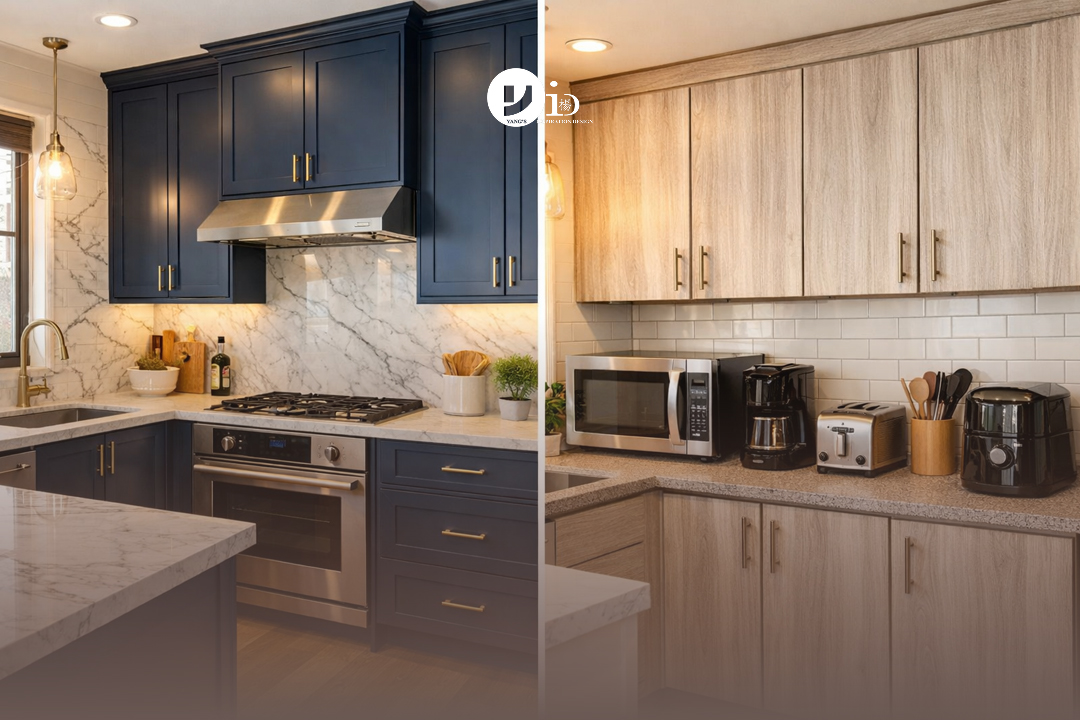
Designing a condo is about more than just aesthetics; it’s about building equity and crafting a home that reflects your identity for years to come. This is the philosophy of permanence vs temporary design, where choices are made with longevity in mind. Because you own the property, you have the incredible opportunity to transform the space from the ground up, making substantial changes that not only improve your quality of life but also increase the home’s market value. This approach is less about finding temporary fixes and more about creating foundational, lasting beauty and function. It’s an investment in your lifestyle and your financial future, allowing for a level of deep personalization that renters can only dream of. From major renovations to selecting premium, durable materials, every decision is a deliberate step toward building your perfect, permanent sanctuary.
The Freedom of Structural Changes
The greatest advantage of owning a condo is the unparalleled customization freedom. You can undertake significant renovations that fundamentally alter the character and flow of your home. Imagine knocking down a non-load-bearing wall to create an open-concept living and dining area, or reconfiguring a clumsy layout to build the walk-in closet you’ve always wanted. This freedom extends to permanent upgrades that add significant value. You can tear out old carpeting and install timeless hardwood floors, commission custom built-in shelving for a library wall, or execute a complete kitchen renovation with new cabinets and an island. Even smaller permanent changes, like swapping out standard-issue faucets for designer fixtures or installing statement ceiling fans and chandeliers, are entirely within your control. These structural changes are what truly differentiate condo living, allowing you to tailor every square inch to your exact specifications.
Investing in High-Quality, Lasting Finishes
With ownership comes the incentive to invest in quality. You’re not just decorating for the now; you’re building for the future. This means choosing premium, durable materials that will stand the test of time. Think about upgrading laminate counters to elegant and hard-wearing materials; the classic granite countertop vs quartz debate is one condo owners get to have. You can install high-end appliances that make cooking a joy or choose custom solutions that fit your space like a glove, such as a floor-to-ceiling media unit or a bespoke closet system. The focus shifts from temporary trends to timeless style and durability, ensuring that your home remains beautiful and functional for many years. This commitment to quality is a wise investment that pays dividends in both daily enjoyment and long-term property value.
Navigating HOA Rules for Design
While you own the interior of your unit, you don’t exist in a vacuum. The Homeowners’ Association (HOA) is a governing body that sets rules to maintain the building’s aesthetic uniformity, safety, and structural integrity. This means that while your interior design freedom is vast, certain changes may require approval. Typically, HOA rules for design govern any modifications to the exterior or elements that affect the building’s shared systems. Examples include replacing windows, altering your balcony or patio, or undertaking major plumbing and electrical work that taps into the building’s main lines. Before embarking on any major project, it’s crucial to consult your HOA covenants. Understanding the distinction between an interior designer vs contractor can be invaluable here, as an experienced designer can help navigate these regulations to ensure your renovation is compliant.
The Apartment Design Philosophy: Creative & Reversible Personalization
Apartment living is an exercise in creativity and ingenuity. The design philosophy here isn’t about permanence; it’s about clever, non-permanent personalization. The central challenge—and the fun—is making a temporary space feel deeply personal without making changes that could risk your security deposit. This mindset transforms limitations into creative opportunities. It’s about mastering the art of reversible decor and finding renter-friendly solutions that pack a punch. Instead of focusing on what you can’t do (like tearing down walls or replacing floors), you focus on what you can do: layer, accessorize, and optimize. This approach champions furniture that is as smart as it is stylish, decor that can be easily installed and removed, and a strategic use of colour and light to create mood and the illusion of space. It’s about adaptability and expressing your personality through pieces you can take with you to your next home.
Master the Art of Reversible Decor
Making an apartment your own is all about reversible decor. These temporary design solutions allow you to inject personality without leaving a trace.
- Walls: Bare walls are a blank canvas. Instead of paint, consider high-quality peel-and-stick wallpaper to create a dramatic feature wall. For a less intensive option, use non-damaging adhesive strips to hang large-scale art or create a gallery wall. Fabric tapestries can also cover a large surface area and add texture and warmth.
- Floors: Not a fan of the standard-issue flooring? Layering large area rugs is the perfect solution. A beautiful rug can define a space, add colour and comfort, and completely cover flooring you don’t love.
- Cabinets: Kitchen and bathroom cabinets can often look dated. Give them a facelift with removable contact paper or vinyl. You can also swap out the hardware (knobs and pulls) for something more your style—just be sure to store the original hardware in a safe place to switch back before you move out.
Smart Furniture for Maximum Impact & Functionality
In a rental, your furniture does the heavy lifting for both style and function. The key is choosing smart pieces that maximize your space.
- Prioritize multi-functional furniture: An ottoman with hidden storage, a sofa that converts into a bed, or a dining table that can expand or fold away are all invaluable.
- Pay attention to scale: To make a room feel larger, choose furniture with visible legs, like a mid-century modern sofa or console table. This creates a sense of openness by allowing you to see more of the floor.
- Utilize vertical space: When floor space is limited, go up. Tall, narrow bookcases draw the eye upward and offer incredible storage. Floating shelves are another excellent way to display decor and essentials without taking up any floor real estate, contributing to excellent small bathroom storage ideas.
When and How to Ask for Landlord Approval
While many changes are off-limits, some minor alterations might be permissible if you ask correctly. It’s essential to understand when you need to seek landlord approval for changes.
- What usually requires permission? Anything that physically alters the property, such as painting walls (even if you promise to paint them back), installing a TV mount, or changing a light fixture, typically requires written consent.
- How to ask professionally: Don’t just send a casual text. Draft a polite email clearly outlining the change you’d like to make. Include specifics, such as the exact paint colour or the type of mount you’ll use. Offering to use a professional for the installation can also increase your chances of getting a “yes.”
- Get it in writing: If your landlord approves your request, ensure you have that approval in a written document, like an email or a lease addendum. This protects you and your security deposit from any future misunderstandings.
Side-by-Side Comparison: Design Choices for Every Room
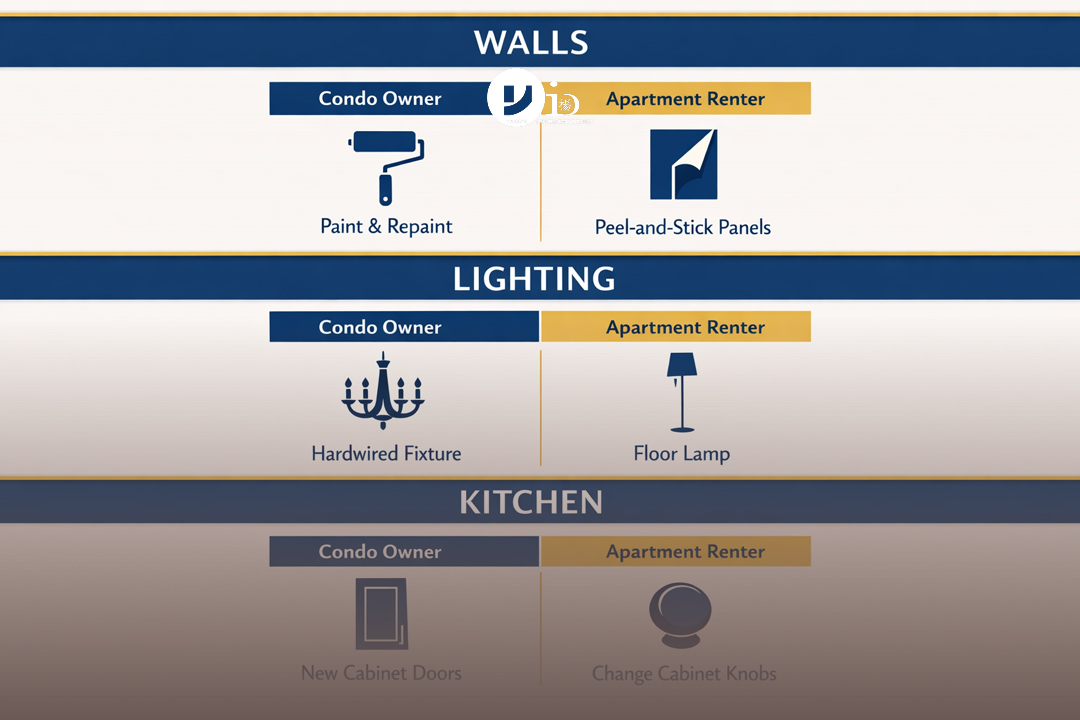
To make the condo vs apartment interior design differences even clearer, here is a direct comparison of approaches for common design elements.
| Design Element | Condo Owner’s Approach | Apartment Renter’s Approach |
|---|---|---|
| Walls | Repaint freely, install permanent wallpaper, add wainscoting or molding. | Use peel-and-stick wallpaper, large mirrors, gallery walls with command hooks. |
| Lighting | Install new hardwired fixtures (pendants, chandeliers), add recessed lighting. | Use plug-in sconces, floor lamps, and table lamps to create layers of light. |
| Kitchen | Replace countertops, install a new backsplash, change cabinet doors, upgrade appliances. | Apply a peel-and-stick backsplash, change cabinet knobs (save originals), use countertop appliances for upgrades. |
| Windows | Install permanent blinds, custom drapery rods, or new energy-efficient windows. | Use tension rods for curtains, apply privacy film, or use no-drill blinds. |
| Storage | Build custom closets, install permanent shelving systems. | Use freestanding wardrobes, over-the-door organizers, and tension rod shelving. |
So, Which Design Style Fits Your Life?
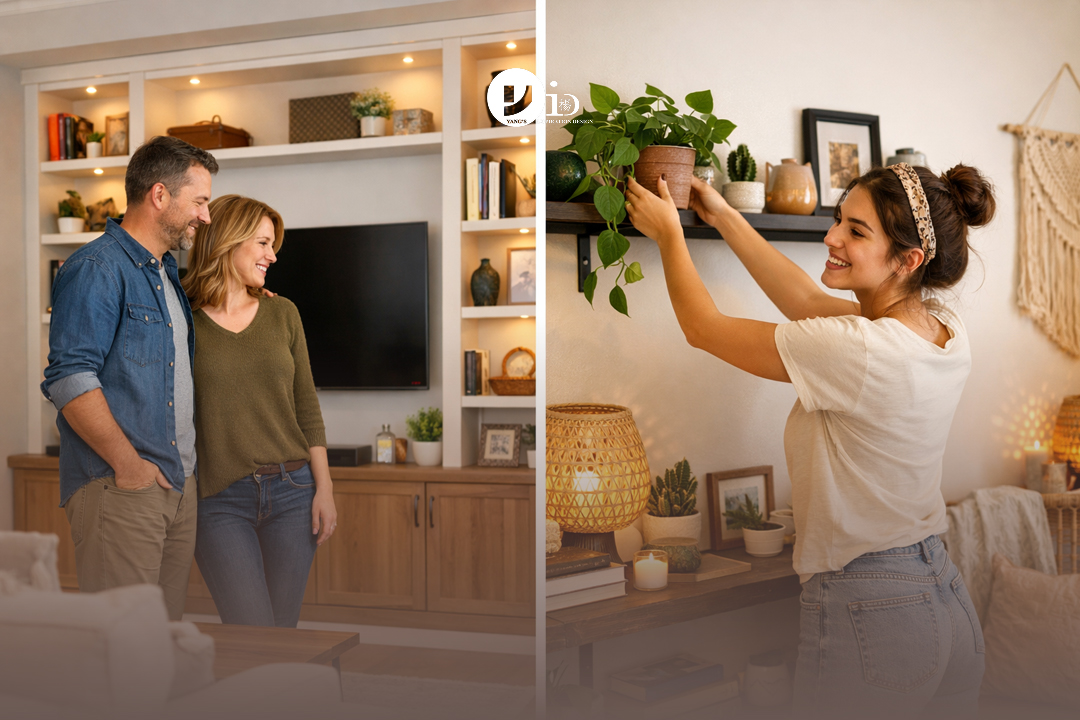
Ultimately, the choice between a condo and an apartment—and their associated design philosophies—depends on your lifestyle, goals, and priorities.
-
Choose a condo if: You see your home as a long-term investment, crave total creative control, and are ready for the responsibilities of ownership and maintenance. You want to make permanent, impactful changes that reflect your personal taste.
-
Choose an apartment if: You value flexibility, want to avoid maintenance costs, and enjoy the challenge of creative, non-permanent design solutions. You prefer to express your style through decor and furniture that can move with you.
Conclusion
The debate between condo vs apartment interior design is ultimately a story of two mindsets. Condo design is about transformation and permanence, an opportunity to make lasting structural changes and invest in high-quality finishes that build equity. In contrast, apartment design is about adaptation and personality, a creative challenge to express yourself using clever, reversible decor and smart, functional furniture. Ownership is the defining factor that shapes every single design decision, from the walls to the windows.
Whether you’re looking to undertake a full-scale renovation for your new property or seeking ingenious ways to maximize a rental, the right professional guidance makes all the difference. For those ready to invest in their home, our Luxury Condo Interior Design in Singapore service is tailored to help you navigate everything from HOA rules to material selection, ensuring a seamless transformation. Even renters can benefit from professional space planning to make the most of their layout. As a trusted interior design firm in Singapore, Yang’s Inspiration Design believes great design should be accessible to all.
Ready to transform your space, no matter the rules? Contact our design experts for a complimentary consultation. WhatsApp us at +65 8855 7575 to bring your vision to life.

January 5, 2026
Yang's Inspiration Insight