


A detailed Bathroom Renovation Budget Checklist is the single most important tool for a successful remodel, transforming a financially overwhelming process into a manageable and exciting project. You’re here because you want to create a beautiful, functional bathroom—a personal sanctuary—without the stress of surprise costs derailing your vision. The fear of hidden fees and spiralling expenses is real, but it doesn’t have to be your reality.
This comprehensive guide is your roadmap to financial control. We provide a line-by-line checklist of every potential expense, expert cost-saving tips, and a free downloadable template. With this plan, you will have full command over your project’s budget from the very first tile choice to the final tap polish.
At a Glance: Typical Bathroom Remodel Cost Breakdown

The total cost of a bathroom renovation in Singapore can vary widely based on the scope, materials, and size of your space. As a general guide, you can expect costs to fall within these ranges: a small or cosmetic update might be $5,000-$15,000, a full mid-range remodel typically costs $15,000-$40,000, and a high-end, luxurious gut renovation can easily exceed $40,000.
- Average Total Cost: $15,000 – $50,000
- Biggest Expense: Labor (40-65% of total budget)
- Essential Buffer: Contingency Fund (10-20%)
- Biggest Saver: Keeping your existing plumbing layout.
The Complete Item-by-Item Budget Checklist
This is the core of your planning process. We’ve broken down every potential cost by project phase to ensure nothing is overlooked. Use this comprehensive list to build your own bathroom renovation budget.
Phase 1: Planning & Pre-Renovation Costs
Before a single tile is removed, you need to budget for the planning phase. These upfront costs ensure your project is well-designed, compliant, and prepared for the unexpected.
- Interior Designer or Architect Fees: Hiring a professional ensures a cohesive design and functional layout. At Yang’s Inspiration Design, our integrated approach combines design and construction, streamlining this process.
- Permits & Municipal Inspection Fees: In Singapore, HDB and BCA approvals are often required for plumbing, electrical, and structural changes. This is a non-negotiable cost to ensure your renovation is legal and safe.
- Structural Engineer: Only necessary if you plan on moving or removing walls to reconfigure your space.
- Contingency Fund (CRITICAL: 15-20%): This is not a “nice-to-have”, it’s your project’s safety net. The older the building, the more crucial this fund becomes. It covers unforeseen issues like hidden water damage, old wiring that needs updating, or mould behind the walls. A healthy contingency fund is the difference between a minor hiccup and a budget disaster.
Phase 2: Demolition & Site Preparation
This phase involves clearing out the old to make way for the new.
- Labor for Tear-Out: The cost for professionals to safely remove old fixtures (toilet, tub), vanity, tile, and flooring.
- Debris Removal & Haulage: Budget for the proper disposal of all construction waste.
- Hazardous Material Abatement: If your older HDB flat contains materials like asbestos, you must budget for professional and safe removal.
Phase 3: Labor & Professional Fees (The Biggest Cost)
Skilled labor is the largest portion of any renovation budget, often accounting for 40-65% of the total cost. Investing in qualified, licensed professionals is essential for a high-quality, lasting result. This is where an integrated firm like ours provides immense value, as we manage all these trades in-house.
- General Contractor: An oversight fee for project management, coordinating all the different tradespeople, and ensuring the project follows the timeline.
- Plumber ($45 – $200/hr): For installing new pipes and fixtures. Costs increase significantly if you’re moving the locations of your toilet or shower.
- Electrician ($50 – $200/hr): For installing new lighting, GFCI outlets, and ventilation fans.
- Tile Setter: For meticulously laying floor and wall tiles.
- Carpenter / Drywall Installer: For any custom cabinetry, framing, or installing moisture-resistant drywall (cement board).
- Painter: For priming and painting the ceiling and walls with moisture-resistant paint.
Phase 4: Fixtures & Major Components
These are the functional and aesthetic centrepieces of your bathroom.
- Vanity & Cabinetry ($500 – $5,000+): From a simple pedestal sink to a custom-built double vanity with ample storage. Check out our kitchen cabinet design ideas for inspiration on custom storage solutions.
- Countertop: Costs vary dramatically by material. Laminate is the most budget-friendly, while a durable material like quartz offers a high-end look. The granite countertop vs quartz debate often comes down to style preference and maintenance.
- Sink(s) & Faucet(s) ($300 – $4,000+): Includes undermount, vessel, or integrated sinks and the corresponding tapware.
- Toilet ($375 – $500+): Modern toilets can range from standard models to high-efficiency or wall-mounted units.
- Bathtub or Shower Installation ($4,000 – $12,000): This is a major expense. A simple acrylic tub is more affordable than a custom-tiled, walk-in shower with a frameless glass door.
- Lighting Fixtures ($200 – $1,000): Includes vanity lights, a central ceiling fixture, and waterproof lighting for inside the shower.
- Ventilation / Exhaust Fan: Crucial in Singapore’s humid climate to prevent mould and mildew.
Phase 5: Materials & Finishes
These are the surface-level materials that define the look and feel of your bathroom.
- Floor Tile or Flooring: Choose non-slip, waterproof options like porcelain tile or Luxury Vinyl Tile (LVT).
- Wall Tile, Waterproof Panels, or Wallpaper: For shower surrounds and feature walls.
- Drywall, Cement Board & Vapor Barrier: The foundational materials behind your tiles and paint.
- Paint & Primer: High-quality, mould-resistant paint is a must.
- Insulation: Can help with soundproofing between rooms.
- Grout, Thin-set Mortar, Caulk, Sealants: The small but essential materials that hold everything together and keep it waterproof.
Phase 6: Accessories & Final Touches
Don’t forget to budget for the finishing touches that complete the space.
- Mirrors or Medicine Cabinet: A key functional and decorative element.
- Hardware: Drawer pulls, cabinet knobs, towel bars, hooks, and toilet paper holders.
- New Door or Window (if applicable):
- Decor: This includes items like a shower curtain, bath mats, artwork, or plants. Implementing genius small bathroom storage ideas at this stage can also maximize functionality.
Budgeting for Different Scopes: What to Expect
To make your bathroom renovation budget checklist more realistic, it’s crucial to align your expectations with the scope of work you can afford. Not all renovations are created equal. Here, we break down three common project tiers to help you understand what’s achievable at different price points.
The Cosmetic Update ($5,000 – $15,000)
A cosmetic update is all about achieving a high-impact transformation with minimal disruption. This scope is ideal for a bathroom that is functionally sound but aesthetically dated. The core structure, plumbing, and electrical layouts remain untouched, which is the key to keeping costs low.
-
What it typically includes:
- A Fresh Coat of Paint: The most cost-effective way to refresh a space. Using high-quality, mould-resistant paint can make the room feel cleaner and brighter instantly.
- New Vanity & Countertop: Swapping out a dated vanity for a modern, off-the-shelf model from a big-box store can single-handedly update the room’s style.
- Updated Fixtures: Replacing old taps, showerheads, and lighting fixtures with modern designs in finishes like matte black or brushed gold adds a touch of luxury.
- Reglazing or Refinishing: Instead of a costly replacement, the existing bathtub and wall tiles can be professionally reglazed to look brand new, saving thousands of dollars and avoiding messy demolition.
- New Hardware & Mirror: Simple changes like new cabinet pulls, towel bars, and a stylish mirror can tie the whole look together.
-
What it doesn’t include: This budget level absolutely does not cover moving walls, changing the plumbing layout (e.g., moving the toilet or shower), or extensive new tile work. It focuses on surface-level improvements that you can often complete quickly.
The Mid-Range Remodel ($15,000 – $40,000)
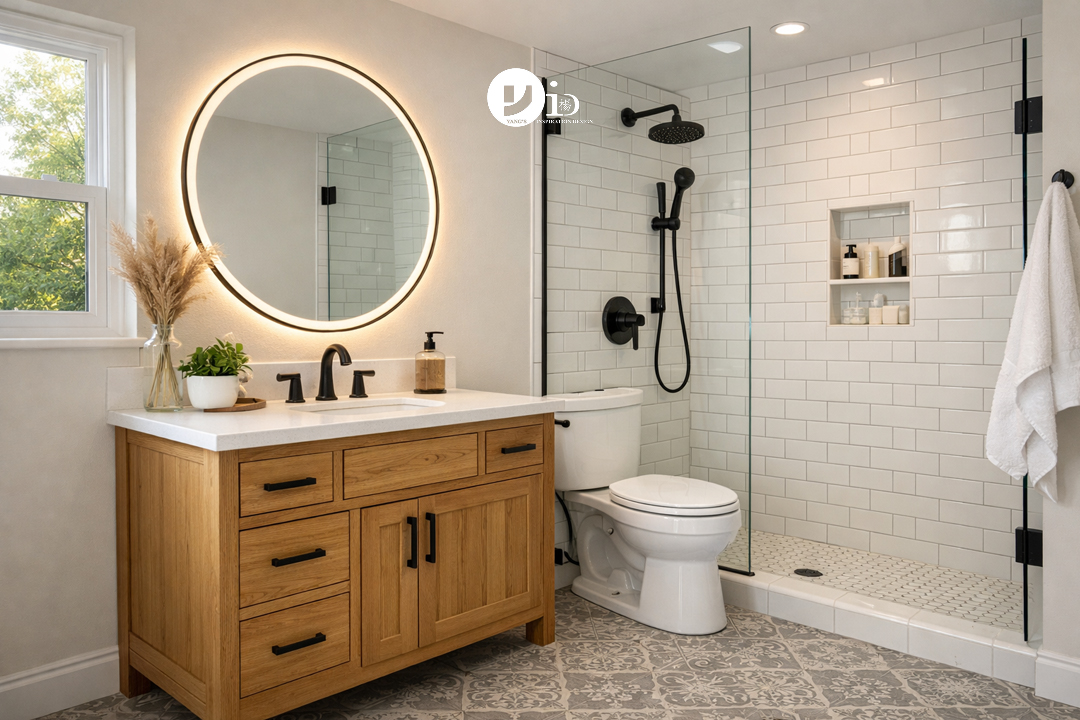
This is the most common type of bathroom renovation, involving a full “pull-and-replace.” You are essentially gutting the bathroom down to the studs but rebuilding it within the existing footprint. This scope allows for significant upgrades in both materials and fixtures, offering a completely new bathroom without the high cost of major structural changes.
-
What it typically includes:
- Everything in a Cosmetic Update PLUS:
- New Tiling: This includes tearing out old floor and wall tiles and installing new, modern porcelain or ceramic tiles. This is a labor-intensive job that contributes significantly to the cost.
- New Bathtub or Shower System: You can replace an old tub-shower combo with a new acrylic bathtub or a prefabricated shower enclosure.
- New Toilet: Upgrading to a more efficient and stylish model.
- Quality Vanity and Countertop: This budget allows for a better quality, semi-custom vanity with a durable quartz or solid surface countertop, providing much-needed storage and style.
- Improved Lighting and Ventilation: You can add more effective lighting, such as recessed pot lights in the shower, and upgrade to a quieter, more powerful exhaust fan.
-
What it doesn’t include: Even at this level, the budget generally does not accommodate major layout changes. Relocating plumbing stacks or electrical wiring is still typically out of scope. It also foregoes ultra-premium materials like natural stone slabs, heated flooring, or fully custom cabinetry. The focus is on quality, durability, and a complete aesthetic overhaul.
The High-End Gut Renovation ($40,000+)
A high-end renovation is where you can truly create a bespoke, spa-like retreat. This budget allows for a complete reimagining of the space. Walls can be moved, plumbing and electrical systems can be completely re-routed, and luxury materials are the standard. This is a project where you work closely with a trusted interior design firm to bring a unique vision to life.
- What it typically includes:
- Everything in the lower tiers PLUS:
- Complete Layout Change: This is the biggest differentiator. The toilet, shower, and vanity can all be relocated to optimize flow and create a more functional and spacious layout. This requires extensive plumbing and electrical work.
- Luxury & Custom Materials: Think natural stone like marble or quartzite for floors and countertops, high-end designer tiles, and custom-built cabinetry tailored perfectly to your space.
- Premium Fixtures: This includes features like a steam shower, a freestanding soaking tub, heated floors, smart toilets, and high-end faucets from designer brands.
- Custom Lighting Design: A layered lighting scheme with dimmable ambient, task, and accent lighting to create the perfect mood.
- Architectural Changes: This could involve expanding the bathroom’s footprint by borrowing space from an adjacent closet or room, or adding a new window for more natural light.
This scope is a significant investment in your home, resulting in a completely personalized and luxurious space.
How to Save Money: 7 Smart Budgeting Tips
A beautiful bathroom doesn’t have to break the bank. With smart planning, you can cut costs without sacrificing style or quality.
Tip 1: Keep the Same Layout
This is the number one rule for saving money. The moment you decide to move the toilet, sink, or shower, you introduce complex and expensive plumbing work. Rerouting pipes in the walls and floor is a labor-intensive process that can add thousands of dollars to your renovation cost.
Tip 2: Be Your Own General Contractor (If You’re Experienced)
If you have experience in project management and home renovation, you can save the 10-20% fee a general contractor charges. However, be realistic about the commitment. You will be responsible for hiring, scheduling, and managing every tradesperson (plumber, electrician, tiler), ordering materials, and troubleshooting any problems that arise. For most homeowners, the stress and time commitment outweigh the savings, making the choice between an interior designer vs contractor a critical one.
Tip 3: Mix High and Low
Allocate your budget strategically. Splurge on one or two “wow” factor items that will be the focal point of the room, like a stunning vanity or beautiful feature wall tile. Then, save on items that are less noticeable, such as a standard, high-quality toilet from a reputable brand or simple, affordable subway tiles for the shower surround.
Tip 4: Consider Material Look-Alikes
Get a high-end look for less. Modern manufacturing has created incredible alternatives to expensive materials. For example, Luxury Vinyl Tile (LVT) can convincingly mimic the look of natural stone or hardwood but is waterproof, durable, and a fraction of the cost. Similarly, high-quality laminate countertops can offer the appearance of quartz or granite without the hefty price tag.
Tip 5: Do Safe DIY Tasks
You can save significantly on labor costs by taking on some tasks yourself. Safe and manageable DIY projects include painting, careful demolition (after confirming there are no pipes or wires in the walls), installing accessories like towel bars and mirrors, and assembling an off-the-shelf vanity. Leave plumbing, electrical, and tile work to the professionals.
Tip 6: Get at Least 3 Quotes
Never accept the first bid you receive. Reach out to at least three reputable, licensed contractors or design-build firms. Ensure you provide each one with the exact same project scope and material list. When you receive the quotes, compare the itemized breakdowns, not just the final number. This will help you understand where the costs differ and spot any potential red flags.
“As a contractor, the biggest mistake I see homeowners make is failing to budget for the unexpected. A 15% contingency fund isn’t optional, it’s the buffer that keeps a project from going off the rails.” – Yang, Founder of Yang’s Inspiration Design.
Tip 7: Source Your Own Materials
Contractors often get trade discounts, but they may also add a markup. You can sometimes save money by purchasing fixtures like faucets, lighting, and vanities yourself, especially during major sales events. Important: Always discuss this with your contractor beforehand. They need to approve the items to ensure they meet quality standards and will work with the planned plumbing and electrical rough-ins.
FAQs About Bathroom Renovation Budgets
What is the most expensive part of a bathroom remodel?
Without a doubt, labor is the single biggest expense, typically making up 40-65% of the total budget. After labor, the most expensive elements are significant layout changes that require moving plumbing and electrical systems.
How much should I really budget for a contingency fund?
We recommend 15-20%. For newer homes or condos, 15% may be sufficient. For older HDB flats or properties where you suspect there might be issues, leaning towards 20% is wise. It’s better to have it and not need it than to need it and not have it.
Is it cheaper to replace a shower or a bathtub?
Generally, installing a standard-sized, drop-in bathtub is cheaper than building a fully custom-tiled, walk-in shower. The extensive tile work, waterproofing, and custom glass door required for a walk-in shower increase both material and labor costs.
How can I finance my bathroom renovation?
Most homeowners use personal savings. Other options in Singapore include renovation loans offered by banks, which are specifically designed for home improvement projects. Some may also consider using a personal loan.
Start Planning Your Renovation with Confidence
A successful, on-budget renovation isn’t about luck, it’s the direct result of meticulous planning. By using this Bathroom Renovation Budget Checklist, you transform from a worried homeowner into an empowered project manager. This guide is your roadmap to navigating every cost, making informed decisions, and ultimately, creating the bathroom you’ve always envisioned without any financial regrets.
While this checklist empowers you to plan, executing a flawless renovation requires professional expertise. For a comprehensive toilet & bathroom renovation in Singapore, from initial design concepts to final polish, partnering with an integrated, CaseTrust-accredited team like Yang’s Inspiration Design eliminates the stress of coordinating multiple contractors and ensures a quality result backed by a lifetime workmanship warranty. We handle everything in-house, giving you a single point of contact and complete peace of mind.
Ready to turn your vision into a reality without the budget headaches? Get a complimentary, no-obligation consultation by sending us a message on WhatsApp at +65 8855 7575 today!

January 12, 2026
Yang's Inspiration Insight