


Key Takeaways
- Start with architecture, routines and retained belongings before choosing a label.
- Compare a small number of complete directions against the same brief.
- Assess costs through materials and construction rather than assumptions about style.
- Test samples, maintenance and furniture comfort before approving the final scheme.
To choose an interior design style for your landed home, begin with the building and how your household lives, then compare a small shortlist of visual directions. Evaluate each against layout, maintenance, budget and personal preferences. The best choice is one that translates into practical decisions throughout the house, not simply an attractive reference image.
Singapore landed properties vary widely in proportions, daylight and existing architectural character. A scheme that suits a broad bungalow may need considerable adaptation for a deep terrace house. Use style as a language for communicating preferences while allowing the actual property to guide the solution.
Define the Brief Before Selecting the Look
The Design Council’s Double Diamond process distinguishes understanding and defining a challenge from exploring and delivering solutions. Applied to a renovation, that means establishing the household’s priorities before deciding that one visual style must solve everything.
Write down the activities the house needs to support: quiet work, family meals, entertaining, hobbies and rest. Add practical concerns such as storage, cleaning and privacy. These requirements form the basis for comparing styles, rather than competing with the appearance later in the project.
Include the things you already own and want to retain. A large dining table or artwork collection can influence scale and colour more directly than a general preference for contemporary design. Measure significant pieces and give the designer clear information about which are essential.
Choose an Interior Design Style That Fits the Architecture
Look at ceiling heights, window positions, structural elements and the relationship to the garden. Identify the features you want to celebrate and the constraints the design must accommodate. A style should work with those conditions or explain clearly why a proposed change is worthwhile.
For an older house, distinguish valuable character from outdated planning. Retaining an interesting staircase or useful proportions does not require preserving every partition. Equally, a new interior does not automatically justify removing sound architectural features simply because they differ from a reference photograph.
Consider the transition from facade to entrance and main rooms. The interior can contrast with the exterior, but some connecting cues help the sequence feel intentional. Colour, material character or repeated proportions may establish that connection without using identical finishes indoors and outdoors.
Translate Reference Images Into Specific Preferences
Choose a limited set of images and annotate what you like in each. Separate layout, colour, materials, furniture and lighting. You may discover that several apparently different styles share the same qualities you enjoy, such as warm timber, quiet backgrounds or generous seating.
Also record what you dislike. A beautifully photographed room may have too little storage, uncomfortable seating or more decorative objects than you want to clean. These observations help the designer preserve the appealing qualities while avoiding an unsuitable literal copy.
Use the overview of landed interior design styles to understand the available vocabulary. The objective is a clearer brief, not passing a test on design terminology. A practical description of preferred qualities is often more useful than confidently naming a style while meaning something different.
Build a Shortlist With Distinct Reasons
Select two or three directions that respond differently to the brief. For example, modern contemporary landed interiors may appeal through simplified lines and adaptable furnishings. A more layered direction may better accommodate an existing furniture collection or a preference for decorative detail.
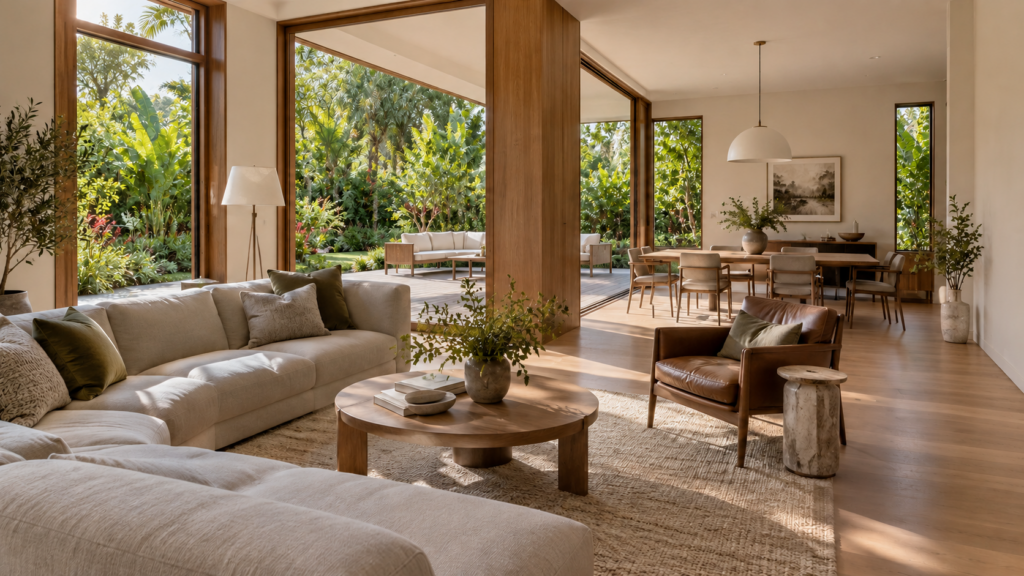
If material richness and precise bespoke work are central priorities, explore modern luxury landed interior design. If you value a relaxed relationship with outdoor areas and tactile finishes, compare resort tropical landed interiors. These are starting points for discussion, not guaranteed packages of materials or cost.
Give each shortlisted direction a reason to remain. “We like it” is a beginning, but explain which household priority it serves and what compromise it requires. Remove options that depend on features the property cannot reasonably provide or routines the family does not want to adopt.
Compare the Same Room and the Same Scope
Ask for each direction to be shown in the same principal room with comparable furniture and information. A dramatic double-volume reference cannot be fairly compared with a modest bedroom photograph. Differences in photography and architecture can overwhelm the actual stylistic choice.
Review a consistent set of questions: does the layout work, where do belongings go, how are surfaces maintained, and what construction creates the appearance? Write short notes for each option. A simple comparison prevents the discussion from returning repeatedly to whichever image feels most impressive that day.
Separate the scheme from its styling. Cushions, flowers and carefully arranged objects can make a proposal appealing, but the room must also work without them. Examine fixed finishes, furniture scale and useful storage before judging the final decorative layer.
Compare Budget Through Specifications
Style names are poor substitutes for quotations. A minimalist room can involve demanding flush details, while a layered room may use retained furniture and straightforward finishes. Ask which materials, preparation, hardware and bespoke elements cause differences between the options.
Identify a small number of features that carry the intended character. These may deserve investment, while less visible areas use simpler construction. Reducing repeated decorative details can preserve the overall direction more effectively than replacing every material with a weaker imitation.
Include furnishing and maintenance implications in the discussion. A proposal that leaves little budget for comfortable seating or useful curtains may not deliver the intended experience. Compare complete usable rooms rather than spending the full allowance on architectural finishes alone.
Test the Scheme Against Daily Life
Imagine an ordinary weekday with bags, devices, dishes and laundry in use. Decide where those items go and whether the scheme still functions. A preference for uncluttered photographs needs a corresponding storage and household routine, not simply fewer visible cupboards.
Consider children, pets, older residents and regular visitors where relevant. Furniture should suit their comfort and movement. A style reference should not force unsuitable seating heights, fragile finishes or awkward circulation on the people who use the home every day.
Review cleaning and repairs with the actual products proposed. Ask for care information and replacement options rather than accepting broad claims of durability. A finish that suits one location may be inconvenient in another, even when repeating it would create visual continuity.
Resolve Different Preferences Before Final Approval
Ask household members to explain the qualities behind their preferred style. A desire for warmth may be compatible with someone else’s preference for simplicity. Shared priorities often emerge when the discussion moves beyond competing names and photographs.
Use the guide to agreeing on a multi-generational design style if several residents are involved. Establish which finishes belong to the shared architectural background and where personal rooms can vary. One coherent home can accommodate more than one person’s taste.
Record the chosen direction, sample references and approval responsibilities. Keep unresolved items visible rather than treating silence as agreement. The designer needs a clear instruction that can be translated into drawings, procurement and site decisions without receiving contradictory changes.
Confirm the Direction With Real Samples
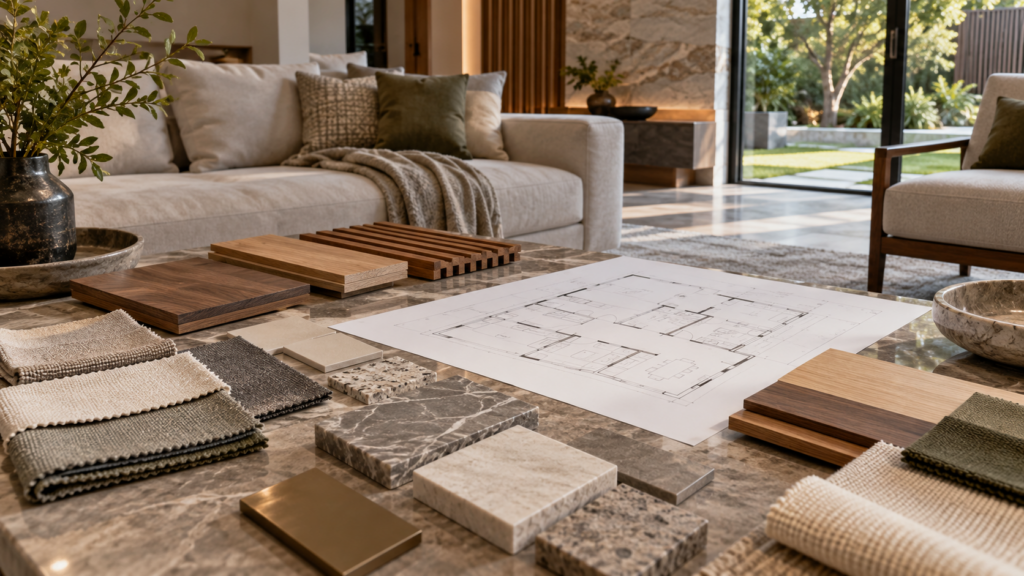
Review flooring, cabinetry, wall colours and fabrics together under suitable light. Test furniture where possible and examine details that affect daily use. Small sample differences can become more noticeable when repeated across an entire room or several storeys.
Before signing off, ask the designer to connect the original brief to the final proposal. You should be able to identify how the chosen style supports your architecture, routines and budget. That explanation is a stronger basis for proceeding than choosing the most fashionable name and hoping the practical details follow.
Frequently Asked Questions
Should the Whole House Use One Interior Style?
The main connecting spaces benefit from a coherent background, but personal rooms can vary. Agree on shared elements such as flooring, doors and major finishes, then allow appropriate freedom in furniture and colour. Review views between rooms so the changes feel intentional rather than accidental.
How Many Reference Images Should We Bring?
Bring a small, carefully selected group that you can explain. Annotate the layout, materials, colours or atmosphere you like and identify anything unsuitable. A clear selection helps the designer understand priorities more effectively than a large collection of unrelated images with no explanation of their appeal.
Can We Combine Two Different Interior Styles?
Yes, when there is a clear relationship between them. Choose a dominant background and use the second direction selectively through furniture or details. Connect the elements through scale, colour or materials, and review the complete room rather than assuming individually attractive pieces will automatically work together.
Which Style Will Stay Fashionable the Longest?
No style can guarantee lasting popularity or unchanged personal taste. Prioritise useful layouts, comfortable furniture and finishes you can maintain or repair. Keep uncertain decorative preferences in reasonably replaceable elements where practical, so the home can adapt without requiring extensive renovation whenever your tastes change.

October 16, 2026
Yang's Inspiration Insight