



There’s nothing more frustrating than pulling out a clean shirt only to find it has a damp, musty odor. This common problem is often a sign of trapped moisture and poor airflow, creating the perfect breeding ground for mold and mildew. Knowing how to remove musty odors in a closet involves more than just masking the smell; it requires tackling the root cause.The good news is you can eliminate it for good.
This comprehensive guide will walk you through identifying the source, deep cleaning your closet, and implementing simple preventative measures to ensure your closet and clothes stay fresh.
What You’ll Need to Banish Musty Smells?
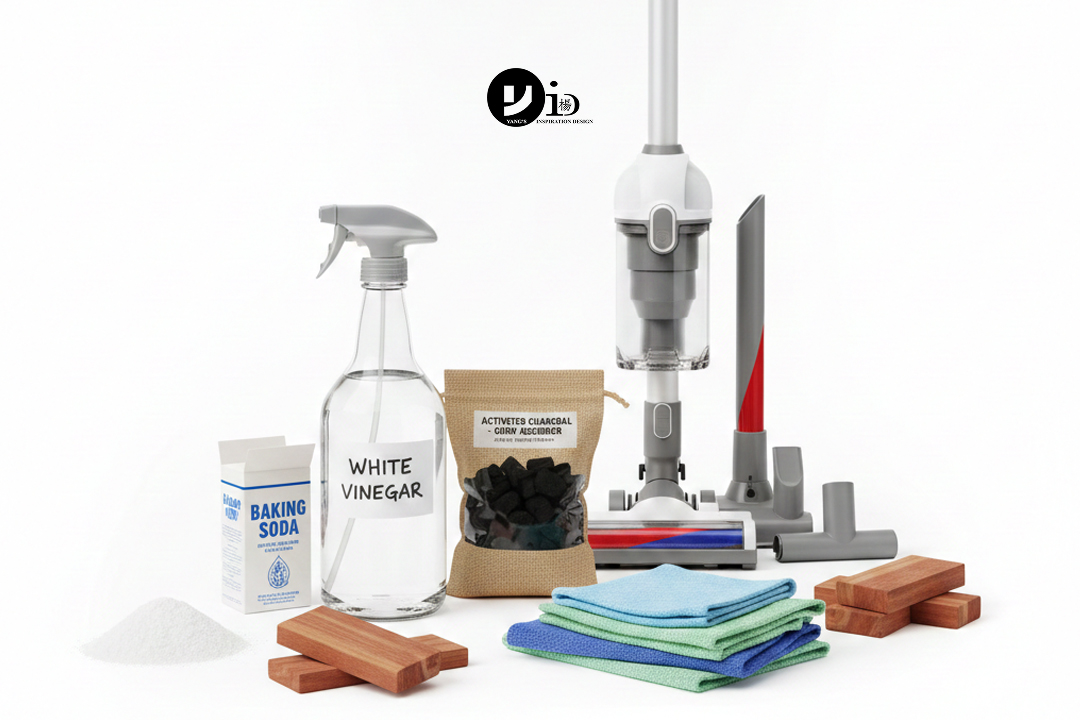
Before you begin, gathering the right tools will make the process faster and more effective. Here’s a quick checklist of everything you’ll need to reclaim your fresh-smelling closet.
- Cleaning Supplies:
- All-purpose cleaner
- White vinegar
- Baking soda
- Spray bottle
- Microfiber cloths or sponges
- Vacuum with attachments (crevice tool is essential)
- Odor Absorbers:
- Activated charcoal bags
- An open box of baking soda
- Silica gel packets or hanging moisture absorbers
- Optional Items:
- Small fan or dehumidifier
- Cedar blocks or essential oils (lavender, eucalyptus)
- Mold and mildew cleaner (if necessary)
Understanding the Root Cause: Why Does My Closet Smell Musty?
To effectively remove musty odors in a closet, you first need to understand what’s causing them. That stale scent is rarely about the clothes themselves but rather the environment they’re stored in.
Trapped Moisture and High Humidity
Closets are enclosed, dark spaces that easily trap humidity from the rest of your home, especially in Singapore’s climate. Steam from hot showers, cooking, or even a recently used iron can raise the humidity levels in your home, and that moisture-laden air gets trapped in your closet. A primary contributor is putting away clothes, towels, or linens that are even slightly damp, which releases moisture with nowhere to go. This is a crucial consideration in any thoughtful bathroom remodel ideas to ensure proper ventilation.
Poor Air Circulation
When a closet is packed too tightly with clothes and the door remains shut, air cannot circulate. This leads to stagnant, stale air where odours from fabrics, shoes, and trapped humidity concentrate and thrive. Without fresh air moving through, the musty smell intensifies and permeates everything inside. Well-designed walk-in wardrobe ideas for HDB often incorporate features that promote airflow to prevent this.
Hidden Mold and Mildew Growth
The classic “musty” smell is the signature scent of mold and mildew. These are living fungi that flourish in damp, dark, and poorly ventilated environments—exactly like a neglected closet. They can grow on drywall, carpeting, wood shelves, or even directly on fabrics. Common hiding spots include dark corners, behind stored boxes, or on the wall behind a pile of clothes.
Odor-Trapping Items
Sometimes, the source is what you store inside. A dirty laundry hamper, sweaty gym shoes, or an unwashed sports bag can emit strong odours that get absorbed by all the clean clothes and linens in the enclosed space. These items introduce bacteria and moisture, creating a persistent foul smell that lingers long after the item is removed.
Your 5-Step Action Plan to a Fresh-Smelling Closet
Ready to get to work? Follow this actionable plan on how to remove musty odors in a closet and keep them from coming back.
Step 1: Empty and Inspect the Closet
- Action: Start with a clean slate. Remove every single item from your closet—clothes, shoes, boxes, hangers, and any storage containers.
- Inspect for the Source: With the closet empty, perform a thorough inspection. Use a flashlight to look for visible signs of mold (blotches of green, black, or grey), water stains on the walls or ceiling, or peeling paint, which can indicate a leak. Sniff around different areas to pinpoint the strongest source of the odor.
- Treat Affected Items:
- Clothing: Any garments with a musty smell should be washed immediately. Use a hot water cycle (if the fabric allows) and add one cup of white vinegar or a half-cup of baking soda to the wash along with your regular detergent. Most importantly, ensure everything is 100% dry before it goes back in. Tumble dry thoroughly or hang items in a sunny, well-ventilated area.
- Shoes: For smelly shoes, sprinkle a generous amount of baking soda inside each one. Let them sit overnight (or for 24 hours for strong odours), then shake out the excess. Placing them in direct sunlight for a few hours can also help kill odour-causing bacteria.
- Hampers: Wipe down plastic or wood hampers with an all-purpose cleaner. If you have a fabric hamper or liner, wash it according to the care instructions.
Step 2: Deep Clean the Closet from Top to Bottom
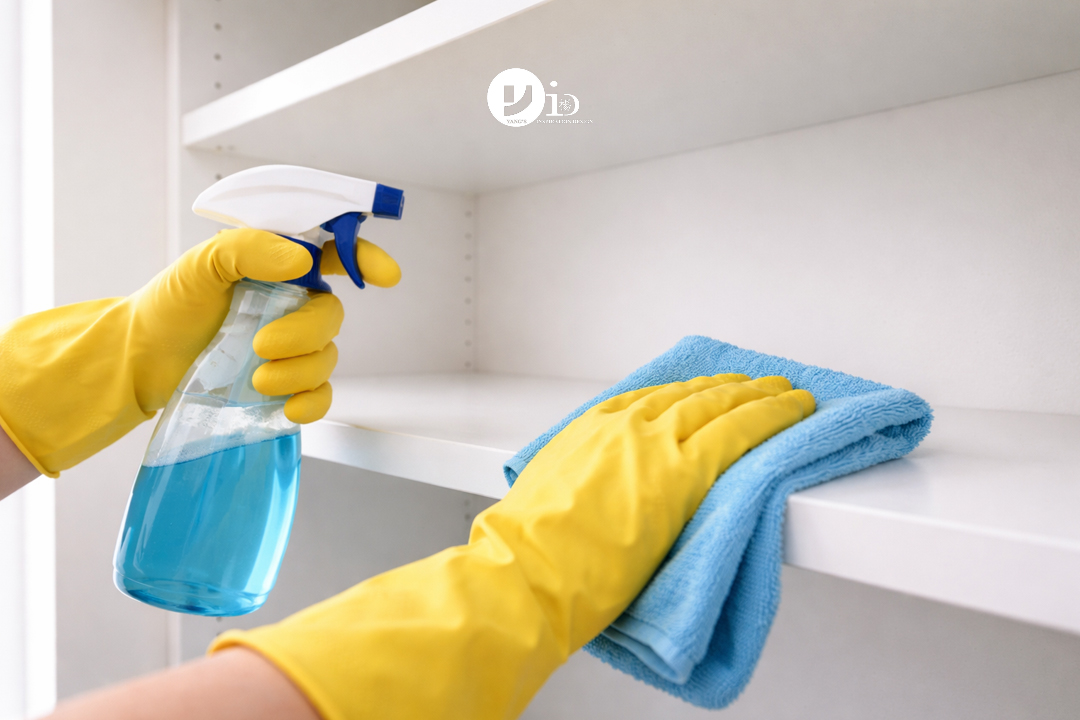
- Action: Now, focus on the closet itself. Create a natural and effective cleaning solution by mixing equal parts white vinegar and warm water in a spray bottle.
- Wipe Down All Surfaces: Spray the solution on all hard surfaces—walls, shelves, the clothing rod, baseboards, and the inside of the door. Wipe everything down with a clean microfiber cloth. Vinegar is excellent for killing mold spores and neutralizing odours. Pay extra attention to corners and crevices.
- Clean the Floor: Vacuum the floor thoroughly, using a crevice tool to get into every corner. If you have carpet, sprinkle baking soda over the entire surface, let it sit for at least an hour to absorb odors, then vacuum it up completely. For hard floors, mop with your vinegar and water solution.
- Let It Dry Completely: This is a non-negotiable step. Leave the closet door wide open and, if possible, point a small fan inside to accelerate the drying process. Do not put anything back until the closet is bone dry to avoid trapping any moisture again.
Step 3: Neutralize Any Lingering Odors
- Action: Once the closet is clean and dry, place an odor absorber inside to tackle any stubborn, lingering scent particles in the air.
- Baking Soda: The classic choice. Simply place an open box of baking soda on a shelf. It’s cheap and effective but should be replaced every 1-2 months as it loses its potency.
- Activated Charcoal: This is a more powerful and longer-lasting option. Place a few activated charcoal sachets on shelves or hang them from the rod. They are incredibly effective at absorbing both moisture and odors from the air.
- Coffee Grounds: For a different approach, a small bowl of dry, unused coffee grounds will also absorb odors. Be aware that it will leave a faint coffee scent behind, which many people find pleasant.
Step 4: Implement Long-Term Moisture and Airflow Control
- Action: Cleaning removes the existing problem; prevention stops it from returning. The key is to manage the closet’s environment.
- Improve Ventilation: Make it a habit to leave your closet door slightly ajar whenever possible. Avoid overcrowding your clothes; good HDB kitchen design, for example, always prioritizes airflow, and the same principle applies here. Give garments space to “breathe” on the rod.
- Control Humidity: Especially in humid climates, active moisture control is a game-changer. Use a small, portable dehumidifier in the bedroom. Alternatively, place hanging moisture absorbers (like DampRid) or reusable silica gel packets inside the closet.
- Use Natural Repellents: Cedar blocks, balls, or sachets are fantastic multi-taskers. Cedar wood naturally absorbs excess moisture, repels pests like moths, and imparts a fresh, pleasant scent.

Step 5: Adopt Smarter Storage Habits
- Action: Your daily habits play a huge role in closet freshness.
- Store Only Clean, Dry Items: This is the golden rule. Never put damp towels or sweaty gym clothes in the closet, even for a short time. Let them air out completely in the bathroom or laundry area first.
- Clean Your Washing Machine: If your “clean” laundry already smells faintly musty, your washing machine is likely the culprit. Run an empty hot water cycle with a cup of bleach or a dedicated washing machine cleaner to eliminate hidden mold and buildup.
- Creative Freshening Hacks:
- Wrap a fragrant bar of soap in a thin piece of fabric and tuck it into a drawer or on a shelf.
- Place a few dryer sheets in shoes, pockets of coats, or between stacks of sweaters for a quick freshness boost.
- Create your own DIY sachets by filling small cotton bags with dried lavender, mint, or cedar chips.
When to Skip the DIY and Call a Professional?
While these DIY steps are highly effective for most cases, some situations require professional help. Ignoring a serious problem can lead to structural damage and health issues. You should call a professional if:
- The musty smell is overpowering and returns almost immediately after a deep clean.
- You discover a large patch of mold (generally larger than a dinner plate).
- You see signs of an active water leak, significant water damage on the walls or ceiling, or warped wood.
- Expert Insight: “While DIY methods are great for minor mustiness, a persistent odor often indicates a hidden mold problem behind the drywall or under the flooring. In these cases, professional remediation is essential to protect your home’s structure and your family’s health.” – Air Quality & Restoration Specialist
If the issue stems from poor design, such as a lack of ventilation, choosing an interior design firm in Singapore can provide a permanent solution through custom cabinetry and improved layouts.
Frequently Asked Questions
How long does it take for the musty smell to go away?
After a thorough cleaning and drying, the most intense smell should be gone within a day. Using a fan will speed this up. Odor absorbers like activated charcoal will continue to trap any faint, lingering scent particles over the next few days, leaving the space completely fresh.
Can a musty smell in my closet be harmful?
The smell itself is just unpleasant. However, if it’s caused by mold, the airborne spores can be a health concern. For sensitive individuals, mold can trigger allergies, asthma attacks, and other respiratory issues. It’s always best to address the source.
Will an air freshener spray fix the problem?
No. Air fresheners and scented candles only mask the odor temporarily; they don’t solve the underlying issue. To truly fix the problem, you must remove the source of the moisture and/or mildew and implement strategies to improve ventilation and prevent its return.
Conclusion
Learning how to remove musty odors in a closet is a two-part process: a deep clean to eliminate the current problem, followed by adopting smart, preventative habits. By addressing the root causes—trapped moisture and poor ventilation—you can transform your closet from a source of frustration into a fresh, clean space that keeps your clothes smelling their best. Consistency is key; make it a habit to air out your closet and only store items that are completely clean and dry.
For a permanent solution, especially in HDB or condo layouts prone to humidity issues, the right design can make all the difference. At Yang’s Inspiration Design, our expertise in custom HDB BTO interior design allows us to create beautiful and practical storage solutions. We design and build custom wardrobes with integrated ventilation features and moisture-resistant materials, ensuring your closet remains a fresh and organised space for years to come.
Tired of fighting a never-ending battle with musty smells? Let’s design a smarter storage solution for your home. Contact us for a free, no-obligation consultation via WhatsApp at +65 8855 7575 today!

January 19, 2026
Yang's Inspiration Insight