


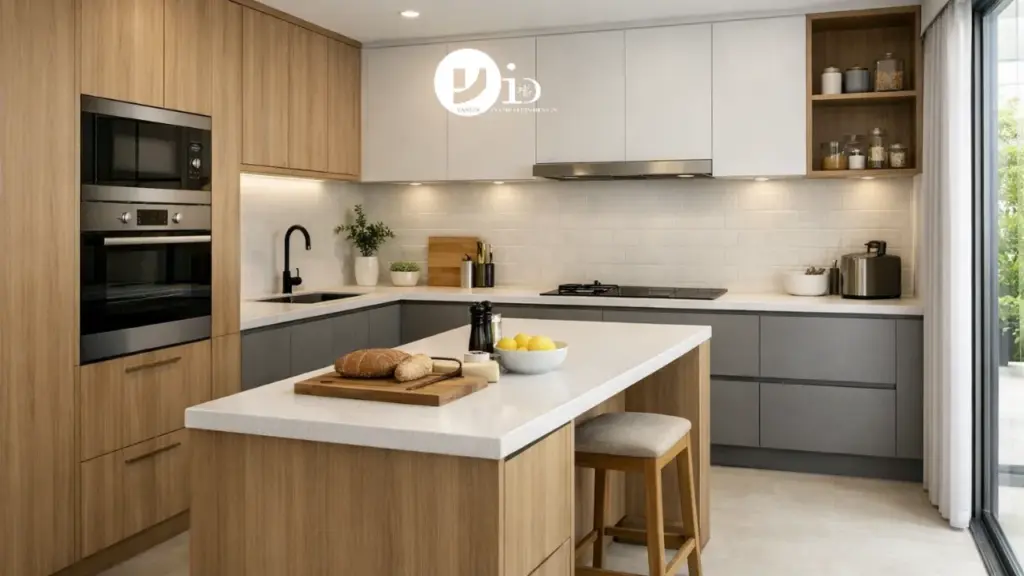
Condo kitchen design in Singapore is rarely constrained by creativity. It is constrained by space, and more importantly, by how that space is planned.
For many homeowners, the challenge is not finding kitchen design ideas. It is translating those ideas into a compact layout that still feels efficient, uncluttered, and aligned with the rest of the home. This is where many renovation attempts fall short. Without structured planning, even visually appealing kitchens can feel restrictive in daily use.
That is why effective condo kitchen design is less about adding features and more about removing friction. It requires a clear understanding of layout logic, storage behaviour, and material practicality. Many of the most impactful solutions are not obvious at first glance. They are often subtle, little known condo interiro design hacks that quietly improve how the kitchen functions over time.
A useful starting point is to ground inspiration in reality, looking at condo kitchen ideas for practical everyday use rather than purely aesthetic references. From there, the focus shifts toward how space-saving decisions can be made with intention.
Why Most Condo Kitchens Feel Smaller Than They Should, And How Design Fixes It
Many condo kitchens feel smaller not because of their size, but because of how space is distributed.
In Singapore homes, kitchens are often integrated into open-plan layouts. This means visual weight matters just as much as physical footprint. When cabinetry is overly dense, appliances are poorly integrated, or transitions between kitchen and living spaces are abrupt, the entire area feels compressed.
The key insight is this: space-saving is not about reducing elements, it is about redistributing them intelligently.
For example, continuous countertop lines can visually elongate the kitchen. Slimmer cabinet profiles can reduce bulk without sacrificing storage. Selective use of open space, rather than filling every wall, can make the kitchen feel significantly more breathable.
These are not dramatic design gestures. They are controlled adjustments that align the kitchen with the spatial rhythm of the home. When done well, the kitchen begins to feel proportionate rather than confined.
The Layout Mistake That Quietly Limits Your Condo Kitchen
One of the most common mistakes in condo kitchen design is choosing a layout based on appearance rather than movement.
A kitchen may look modern with an island or peninsula, but if circulation becomes tight, daily use quickly becomes inefficient. This is especially critical in Singapore condos, where clearances are already limited.
Understanding layout options through six essential kitchen layout references for renovation planning provides a useful baseline. However, the real decision should be guided by lifestyle patterns.
A galley layout may offer maximum efficiency for frequent cooking. An L-shaped kitchen can create better openness for smaller households. Open kitchens with peninsulas work best when they serve multiple roles, prep, dining, and storage, without disrupting flow.
This is where small kitchen renovation strategies that protect workflow become particularly relevant. The goal is not to maximise features, but to preserve movement. When layout planning is done correctly, even a compact kitchen can feel intuitive and effortless to use.
More Cabinets Won’t Solve It: The Real Storage Strategy Condo Kitchens Need
A common instinct in small kitchens is to add more cabinets. While this increases storage capacity, it often reduces spatial clarity.
In condo kitchen design, the real challenge is not storage volume, it is storage behaviour.
Items used daily should be easily accessible. Occasional-use items can be stored higher or deeper. Without this hierarchy, even large storage systems become inefficient. This is why many homeowners still experience clutter despite having extensive cabinetry.
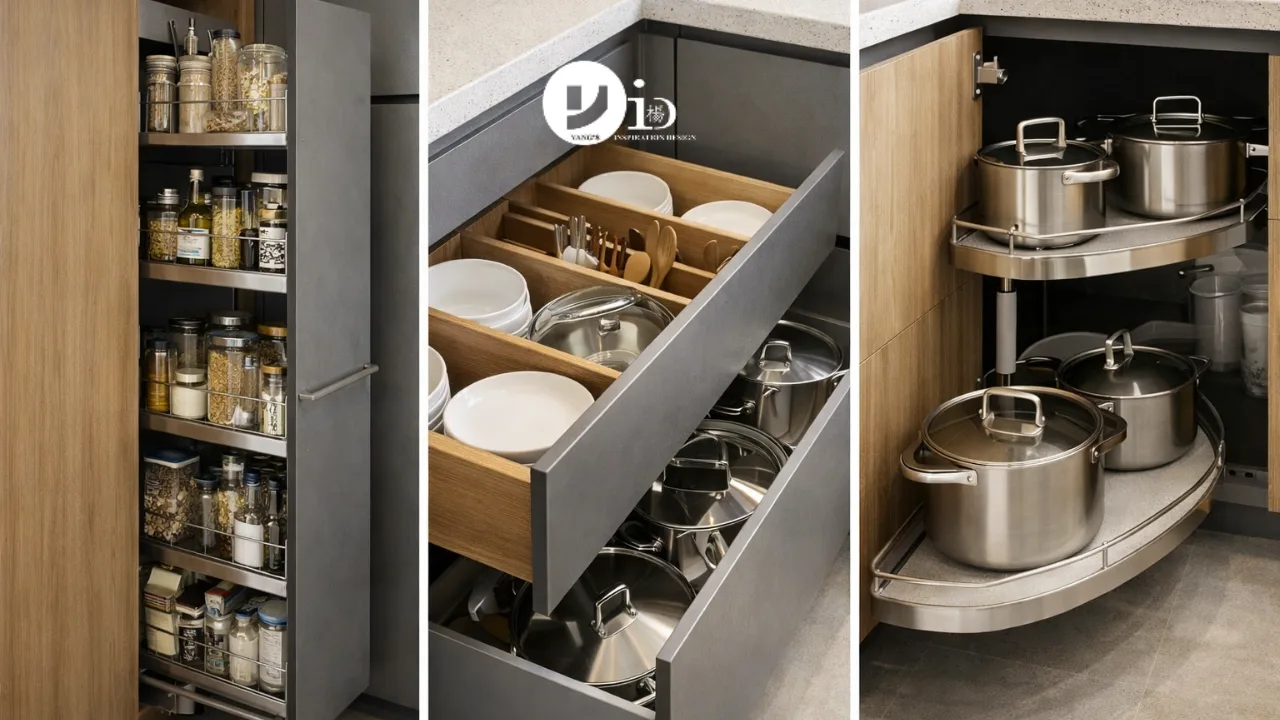
Adopting small kitchen storage ideas that reduce visual clutter helps shift the focus toward usability. Pull-out systems, internal organisers, and concealed compartments allow the kitchen to function efficiently while maintaining a clean visual profile.
At the same time, kitchen cabinet design ideas for tighter footprints highlight the importance of proportion. Full-height cabinets, when used selectively, can increase storage without overwhelming the space. Conversely, leaving certain areas visually lighter can enhance openness.
These decisions may appear minor individually, but collectively they define whether a kitchen feels controlled or cluttered.
Why Some Beautiful Condo Kitchens Don’t Last , Material Choices That Actually Matter
In many condo renovations, material selection is driven by visual appeal. However, in a compact kitchen, performance matters just as much as appearance.
Singapore’s climate, combined with frequent kitchen use, places demands on surfaces. Countertops must withstand heat and stains. Cabinet finishes must resist wear and allow easy cleaning. Poor material choices can quickly lead to visible deterioration, especially in smaller kitchens where every detail is more noticeable.
This is why adopting an easy-to-maintain kitchen approach for busy households is often a more sustainable strategy.
Visual consistency also plays a role. Materials with excessive variation or heavy textures can fragment the space. In contrast, controlled palettes and continuous finishes help create a sense of expansion.
The most effective kitchen design ideas are those that balance refinement with practicality, ensuring the kitchen not only looks good upon completion, but continues to perform over time.
The Hidden Factor: Why Condo Kitchen Design Must Be Planned Beyond the Kitchen
A well-designed condo kitchen does not operate in isolation. It influences, and is influenced by, the rest of the home.
In Singapore condos, where spatial boundaries are fluid, the kitchen affects dining flow, living room openness, and overall visual coherence. A poorly planned kitchen can disrupt this balance, making the entire home feel fragmented.
This is where broader smart condo interior design ideas that support compact living become essential. The kitchen should contribute to a unified spatial strategy, not compete with it.
For homeowners seeking clarity, this means shifting perspective. Instead of asking how to optimise the kitchen alone, the more valuable question is how the kitchen supports the home as a whole.
When this alignment is achieved, the kitchen becomes more than functional. It becomes an integral part of a cohesive living environment.
Condo kitchen design is ultimately a discipline of precision. In Singapore homes, where space is inherently limited, the difference between a constrained kitchen and a highly functional one lies in the quality of planning decisions.
Space-saving ideas are most effective when they are embedded into layout logic, storage hierarchy, and material selection. Rather than relying on visual trends, the focus should remain on reducing friction, improving usability, and maintaining spatial clarity.
For homeowners exploring condo kitchen ideas or planning a renovation, the objective is not to do more, but to design smarter. When each element is considered in relation to the whole, even a compact kitchen can feel structured, efficient, and quietly refined.
For homeowners navigating condo kitchen design decisions, clarity often comes from seeing how individual choices fit into a larger spatial strategy. When kitchen planning is aligned with the overall home, outcomes become more consistent and more sustainable.
A more structured condo interior design approach for Singapore homes can help translate space-saving ideas into a cohesive, well-resolved environment, where the kitchen supports not just function, but the overall living experience.


April 17, 2026
Yang's Inspiration Insight