


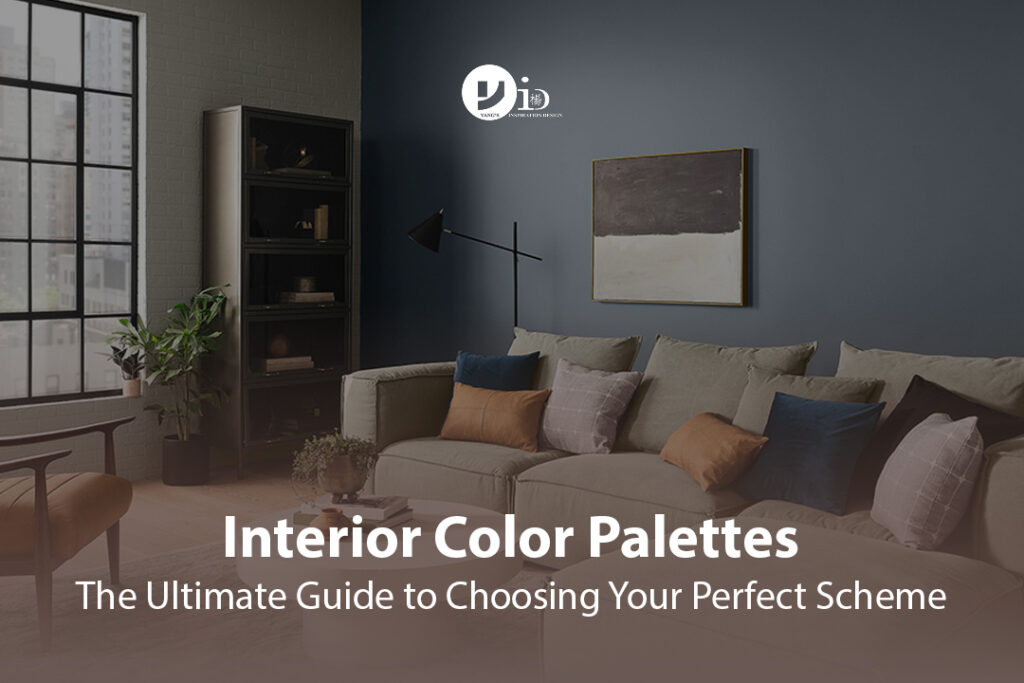
Choosing your home’s interior color palettes is the single most impactful decision you’ll make in the design process. It’s the backdrop for your life, setting the mood for every room and reflecting your personal style. More than just paint on a wall, a color palette is a strategic selection of hues that work in harmony across paint, furniture, textiles, and decor to create a cohesive and inviting atmosphere. However, with an infinite spectrum of choices, the process can feel overwhelming.
This comprehensive guide is here to simplify it. We’ll provide a step-by-step framework to demystify color theory, explore expert-backed palettes that never go out of style, and give you an exclusive look into the top interior color trends for 2026. By the end, you’ll have the confidence to choose the perfect color scheme for your Singapore home.
How to Choose Your Perfect Interior Color Palette: The 7 Core Principles
Building a beautiful color palette isn’t about luck; it’s about following a few core principles. This framework will guide you from initial inspiration to final selection, ensuring a balanced and thoughtful result.
Start with the Basics: Understanding the Color Wheel
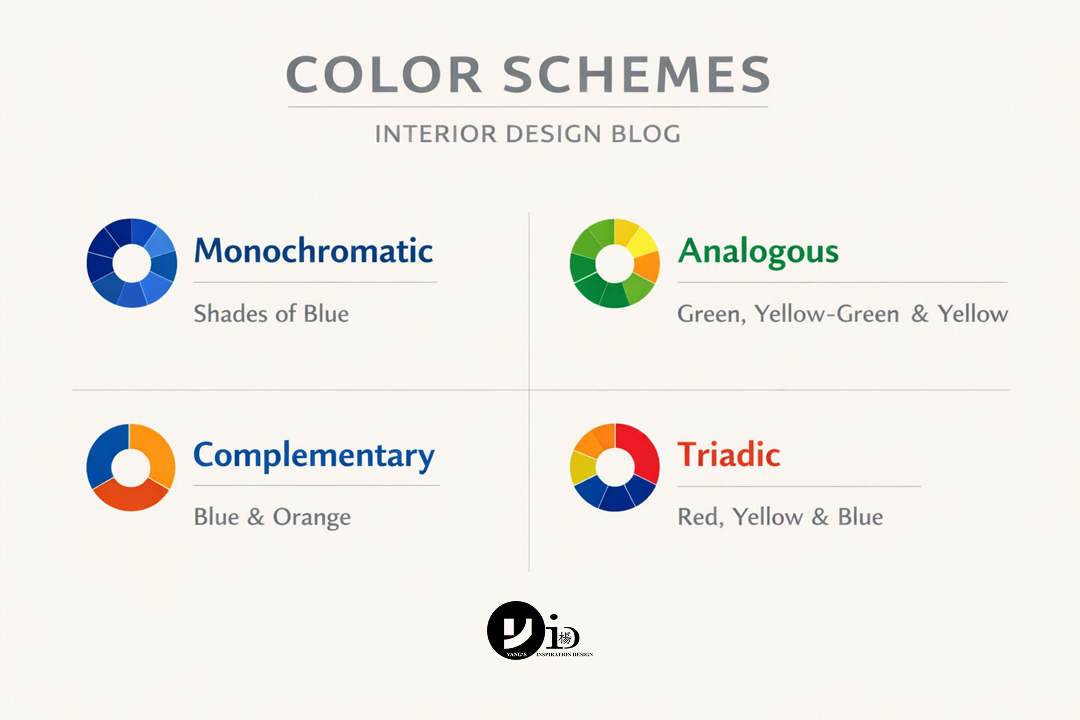
Before you start picking shades, it’s helpful to understand the basic relationships between colors. This is where a little bit of theory goes a long way in understanding what interior design is all about. The color wheel provides a visual map for creating harmonious schemes.
- Monochromatic: This scheme uses variations—tints, tones, and shades—of a single color. It’s a sophisticated, foolproof approach that creates a calm and cohesive look.
- Analogous: This involves choosing colors that sit next to each other on the color wheel, such as blue, teal, and green. It creates a serene and comfortable design with a bit more richness than a monochromatic scheme.
- Complementary: This scheme uses two colors that are directly opposite each other on the wheel, like blue and orange or red and green. It delivers high contrast and visual energy. To keep it from being overwhelming, use one color as the dominant hue and the other as an accent.
- Triadic: This involves three colors that are evenly spaced on the color wheel, forming a triangle. It offers a vibrant, balanced, and dynamic palette that is visually stimulating.
Define the Room’s Purpose and Desired Mood
Color has a profound effect on our emotions. The ideal palette for a room depends heavily on its function and the atmosphere you want to create.
- Living Rooms: As the heart of the home, living rooms benefit from warm, inviting neutrals like beiges, warm grays, or soft earthy tones. These create a comfortable and social atmosphere. Explore these modern living room design ideas for inspiration.
- Bedrooms: This is your sanctuary. Calming, serene shades are perfect for promoting rest and relaxation. Think of soft blues, gentle greens, muted lilacs, or deep, moody navies. Consider these space-savvy layouts for your HDB master bedroom to maximize comfort.
- Kitchens: Kitchens are often bustling hubs of activity. Energizing and clean colors work well here. Bright whites create a sense of cleanliness, while earthy greens or sunny yellows can add a fresh, organic energy. For your HDB kitchen design, a well-chosen color can make all the difference.
- Offices: Focus and productivity are key. Cool blues and balanced greens are known to enhance concentration and reduce stress, making them excellent choices for a home office environment.
Master the 60-30-10 Rule for a Balanced Look
This classic design rule is a simple way to create a well-proportioned and professional-looking color scheme. It ensures your chosen colors are distributed in a way that is pleasing to the eye.
- 60% Main Color: This is your dominant hue, the foundation of your palette. It typically covers the largest surface area, such as the walls.
- 30% Secondary Color: This color supports the main color and is used for about half as much area. Think furniture, curtains, or an accent wall.
- 10% Accent Color: This is your “pop” of color, used for the smallest elements. It adds personality and visual interest through items like pillows, decorative accessories, and artwork.
Assess Your Space: Light, Size, and Existing Elements
Your room’s physical characteristics will significantly influence how colors appear.
- Natural Light: The direction and amount of natural light are critical. In Singapore, rooms can be intensely bright or surprisingly dim.
- North-facing rooms get cooler, indirect light, which can make colors appear slightly duller. Bolder or warmer colors can work well here.
- South-facing rooms are bathed in warm, bright light all day, which can intensify colors. Cooler tones can help balance the warmth.
- Room Size: Color can alter the perception of space. This is especially useful when choosing the best colors for small condos. Light colors like soft whites, pale blues, and light grays reflect more light, making a room feel larger and more open. Conversely, dark colors absorb light, creating a sense of intimacy and coziness, which can be perfect for making a large, cavernous room feel more grounded.
- Existing Elements: Unless you are doing a full BTO flat renovation, you’ll likely have fixed elements to work with. Pay close attention to the undertones in your flooring, kitchen countertops, cabinetry, and large furniture pieces. Your new palette should complement these existing tones for a cohesive look.
Go Deeper: The Psychology of Interior Colors
Understanding how different colors make us feel can help you craft a home that truly supports your well-being.
- Blue: Evokes feelings of calm, trust, and serenity. Its relaxing nature makes it ideal for bedrooms and bathrooms.
- Green: The color of nature, green represents balance, harmony, and restoration. It’s one of the most versatile colors and is perfect for almost any room in the house.
- Yellow: Communicates happiness, optimism, and energy. While a full yellow room can be overwhelming, it’s a wonderful accent color in kitchens or living areas to add a cheerful touch.
- Red: A powerful color that signifies energy, passion, and excitement. It can increase a room’s energy level, making it best used in moderation in social spaces like dining rooms.
- Brown/Neutrals: Shades like beige, taupe, and brown create a sense of stability, comfort, and earthiness. They are grounding and provide a perfect foundation for other colors.
Create Cohesion: Ensuring Flow Between Rooms
For a home to feel harmonious, its color palettes should flow from one room to the next. This is especially important in open-concept HDB and condo layouts.
- For Open-Concept Spaces: Use a single unifying neutral color for all the main walls. Then, define each “zone” (living, dining, etc.) by using different accent colors in rugs, art, and decor. This creates separation without visual chaos.
- For Adjacent Rooms: Create a sense of connection by using different shades of the same color. For example, a light sage green in the living room could lead to a deeper olive green in the adjoining study.
The Final Steps: Mood Boards and Sample Testing
This is the crucial final stage before you commit.
- Create a Mood Board: Gather physical or digital samples of your chosen paint colors, furniture finishes, fabric swatches, and flooring. Seeing everything together helps you visualize the final look and make adjustments. For digital boards, you can use tools like Pinterest, or for more advanced palette creation, try online generators like Coolors or Adobe Color.
- Test, Test, Test: Never choose a paint color from a small swatch under fluorescent store lighting. This is a non-negotiable step. Buy sample pots and paint large squares (at least 30cm x 30cm) on your actual walls. Observe them at different times of the day—morning, noon, and night—to see how the color changes with the light.
10 Timeless Interior Color Palettes That Always Work
If you’re looking for a tried-and-true combination, these 10 palettes are designer-approved and endlessly adaptable.
1. Classic Sophistication: Black, White, and a Touch of Gold
This high-contrast palette is the epitome of timeless elegance. It’s dramatic, clean, and provides a perfect canvas for any style.
- How to use it: To prevent this scheme from feeling sterile, introduce natural textures. Think a jute rug, warm wood furniture, linen curtains, or plush velvet pillows. Gold or brass metallic accents add a necessary layer of warmth and luxury.
2. Calm & Coastal: Navy Blue, Crisp White, and Sandy Beige
Evoking a breezy, relaxed feel, this palette is perfect for creating a tranquil escape. It’s fresh, clean, and universally loved.
- How to use it: Use crisp white for the walls, bring in a statement navy blue sofa or feature wall, and layer in sandy beige through textiles like rugs, cushions, and natural wood or rattan furniture.
3. Earthy & Grounded: Terracotta, Olive Green, and Cream
This palette is warm, inviting, and deeply connected to nature. It creates a space that feels both cozy and sophisticated.
- How to use it: Terracotta makes a stunning accent wall or can be introduced through pottery and textiles. Pair it with olive green furniture or cabinetry and use cream as the main wall color to keep the space feeling light and airy.
4. Moody & Modern: Charcoal Gray, Creamy White, and Cognac Leather
For a look that is both dramatic and inviting, this palette is a winner. The charcoal provides depth, the white offers crisp contrast, and the cognac leather adds warmth and texture.
- How to use it: Use charcoal on the walls for a cozy, enveloping feel in a bedroom or living room. Keep the ceiling and trim in creamy white to lift the space, and introduce a cognac leather armchair or sofa as a rich focal point.
5. Soft & Serene: Sage Green, Taupe, and Dusty Rose
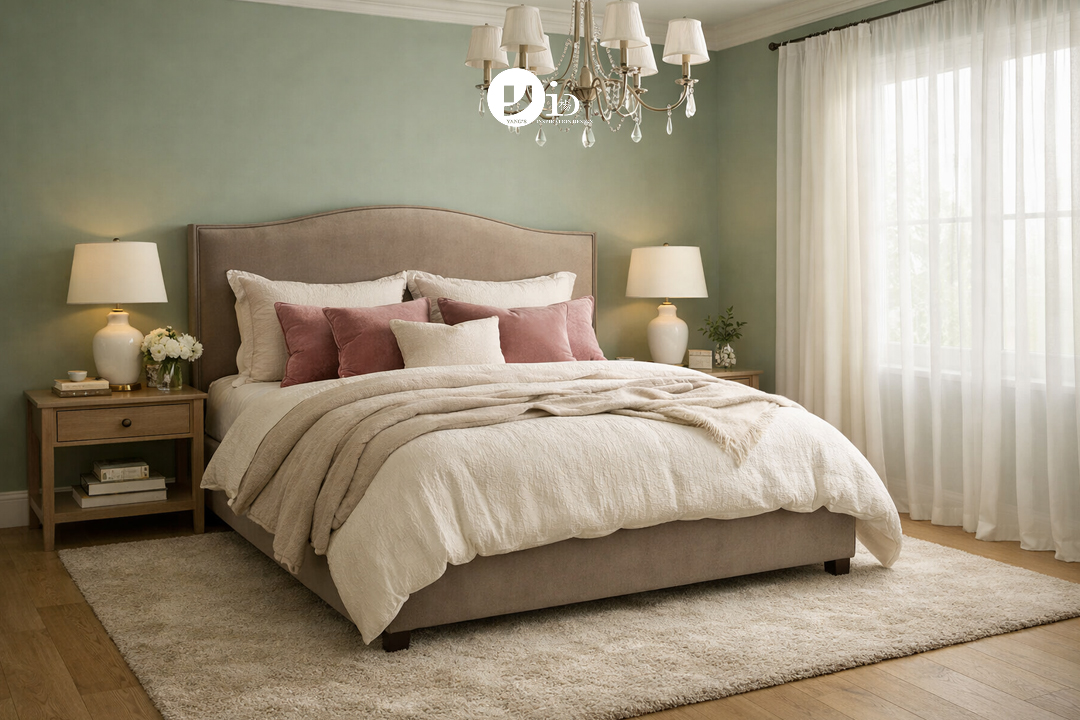
This gentle and sophisticated palette is perfect for creating a calming retreat. The colors are muted yet have enough personality to feel interesting.
- How to use it: Sage green walls create a restful backdrop. Layer in furniture in warm taupe shades and add accents of dusty rose through pillows, throws, or artwork for a subtle touch of warmth.
6. Forest Inspired: Deep Olive, Moody Black, and Rich Tan
This palette creates a bold, nature-inspired space that feels grounded and luxurious. It’s a darker take on earthy tones, perfect for a study or cozy den.
- How to use it: Use deep olive for the walls or kitchen cabinets. Introduce matte black through metal fixtures, window frames, or furniture legs. Rich tan leather or wood elements will provide a necessary warm contrast.
7. Playful Jewel Tones: Sapphire Blue, Ruby Red, and a Neutral Base
For the color-confident, a jewel-toned palette is exciting and full of personality. Grounding these rich hues with a neutral is key to making it work.
- How to use it: Start with a neutral base of off-white or light gray walls. Introduce a sapphire blue velvet sofa and accent it with ruby red cushions. Keep other elements minimal to let the colors be the star.
8. Laid-Back Blues: Monochromatic shades from Sky Blue to Deep Indigo
A monochromatic blue scheme is incredibly versatile. It can feel light and airy or deep and dramatic, but it always feels calming and cohesive.
- How to use it: Paint the walls in a mid-tone blue. Use a lighter sky blue on the ceiling to create a sense of height, and anchor the space with a deep indigo rug or sofa. Mix in various blue patterns and textures.
9. Warm Minimalism: Warm Beige, Soft Ivory, and Muted Brown
Minimalism doesn’t have to be cold. This palette uses a narrow range of warm neutrals to create a space that is simple, serene, and incredibly inviting.
- How to use it: The key is texture. Layer different materials in the same color family: a warm beige linen sofa, an ivory bouclé chair, a muted brown wool rug, and light wood furniture.
10. High-Contrast Neutral: Gray-Green, Bright White, and Matte Black
This is a modern take on a neutral palette. The gray-green acts as a soft, nature-inspired neutral, while the black and white provide a sharp, graphic punch.
- How to use it: Perfect for a modern kitchen or bathroom. Use gray-green on the cabinets, bright white for countertops and tiles, and matte black for faucets, hardware, and light fixtures.
Color Palettes for Specific Interior Design Styles
Your chosen interior design style provides a natural starting point for developing your color palette. Each style has a characteristic set of colors that helps define its aesthetic. Exploring different interior design styles is a great way to find your perfect match.
Scandinavian
The Scandinavian style is all about light, simplicity, and functionality. The color palette is designed to maximize natural light and create a calm, uncluttered feeling.
- Palette: The base is almost always white or a very light gray. Accents come from pale blues, dusty pinks, and sage greens. Natural wood tones, especially light woods like ash, birch, and pine, are essential to the palette.
- How to use it: Use white walls as your canvas. Bring in a light gray sofa, pale blue cushions, and plenty of light-toned wood furniture. Black is often used in small, sharp accents, like a picture frame or a thin-legged lamp. For more on this look, see our guide to Scandinavian interior design.
Mid-Century Modern
This style, originating in the mid-20th century, is characterized by clean lines, organic shapes, and a seamless connection between indoors and out. The color palette reflects this with earthy tones punctuated by saturated accents.
- Palette: The foundation consists of earthy greens (olive, moss), warm browns (walnut), and muted oranges. These are often paired with vibrant accents like mustard yellow, teal, or burnt orange.
- How to use it: Anchor the room with a large piece of walnut furniture. Pair it with an olive green sofa and use mustard yellow as an accent in pillows or a statement armchair.
Modern Farmhouse
Modern Farmhouse blends rustic comfort with clean, contemporary lines. The color palette is light, neutral, and incredibly inviting.
- Palette: Creamy whites and soft grays form the base. The key contrast comes from matte black, often used in hardware, light fixtures, and window frames. Warm wood tones are crucial for adding warmth, and soft, muted greens or blues are often used as gentle accent colors.
- How to use it: Paint walls in a warm, creamy white (like Swiss Coffee). Use matte black for kitchen cabinet pulls and faucets. Incorporate a reclaimed wood dining table or open shelves, and add a pop of color with muted blue-green island cabinetry.
Bohemian (Boho)
The Boho style is free-spirited, eclectic, and all about personal expression. The color palette is a rich tapestry of earthy neutrals layered with vibrant, global-inspired hues and varied textures.
- Palette: The base is warm and earthy: tan, brown, and ivory. This is layered with a vibrant mix of jewel tones like ruby red, amethyst purple, and sapphire blue. There are no strict rules; it’s about what feels good to you.
- How to use it: Start with neutral walls. Layer multiple patterned rugs in warm tones. Add a tan leather sofa and pile it high with pillows in various jewel tones and textures. Incorporate plenty of green through houseplants.
Ahead of the Curve: Top Interior Color Trends for 2026
Looking ahead, the interior color palettes for 2026 are moving towards warmth, depth, and personality. While neutrals are here to stay, they are becoming richer and more complex, and they’re being paired with both atmospheric darks and joyful, vibrant accents.
The Return of Rich Browns
For years, gray has dominated the neutral landscape. Now, rich, warm browns are making a major comeback. These shades are the “new neutrals,” creating spaces that feel cozy, sophisticated, and enveloping. Think less of the flat browns of the past and more of nuanced, complex shades that add incredible depth.
- Key Shades: Chocolate, Mocha, Espresso, and Caramel.
- Expert Insight: This trend is confirmed by major paint brands. Sherwin-Williams named Universal Khaki as a key color for 2026, describing it as a comfortable and stable neutral. Similarly, Benjamin Moore’s Silhouette combines burnt umber with charcoal for a deeply atmospheric and grounding feel.
- How to use it: Go for a color-drenched look by painting the walls, trim, and even the ceiling in a rich chocolate brown for a luxurious den or bedroom. For a less intense approach, use a warm caramel on the walls and pair it with cream furniture and black accents for a sophisticated living room.
Soothing Greens and Blues Evolve
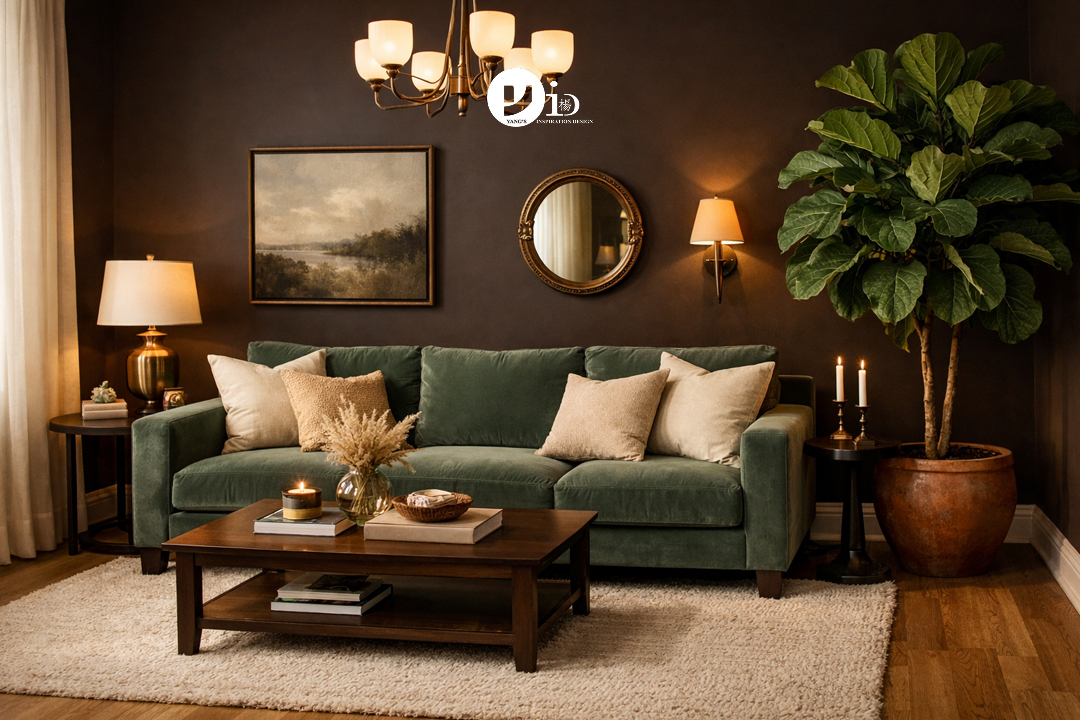
The desire for a connection to nature remains a powerful driver in interior design. In 2026, the popular greens and blues are evolving to become even more gentle, soothing, and inspired by the natural world. These are not bright, primary tones but rather soft, muted hues that evoke a sense of calm and restoration.
- Key Shades: Mineral green, warm eucalyptus, light sky blue, and gentle blue-green.
- Expert Insight: Valspar’s Warm Eucalyptus is a perfect example—a muted green with warm undertones that feels both fresh and calming. Behr’s Hidden Gem offers a slightly richer, complex teal that brings the tranquility of a deep lagoon indoors.
- How to use it: These colors are incredibly versatile. Use a mineral green in a kitchen for a fresh, organic feel, or paint a bedroom in a light sky blue for the ultimate serene retreat. They pair beautifully with light woods and natural textures.
Dramatic & Atmospheric Hues
Maximalism and personal expression are on the rise, and with them comes a renewed confidence in using deep, moody colors. These dramatic hues are being used to create luxurious, statement-making rooms that feel like a cozy escape from the outside world.
- Key Shades: Burgundy/Oxblood, Plum Noir, Deep Teal.
- Expert Insight: Pinterest’s 2026 forecast highlights Plum Noir, a deep purple with undertones of burgundy and brown, as a key color for creating “moody maximalism.”
- How to use it: These colors are perfect for smaller, defined spaces like a powder room, a study, or a dining room where you want to create an intimate, memorable atmosphere. Pair them with rich textures like velvet and warm metallic accents like brass to enhance the luxurious feel.
Unexpected Vibrant Accents
While the overall trend leans towards soothing and deep tones, there is also a strong movement towards using bold, unexpected pops of color as powerful accents. These vibrant hues inject joy, energy, and a touch of playfulness into a space.
- Key Shades: Persimmon (red-orange), Wasabi (electric green), and Transformative Teal.
- Expert Insight: WGSN, a leading trend forecasting agency, identified Transformative Teal as a key accent. Pinterest also points to Persimmon and Wasabi as dominant accent colors for 2026.
- How to use it: The key is to use them strategically. A wasabi-green accent chair, persimmon-colored throw pillows on a neutral sofa, or a piece of abstract art featuring transformative teal can completely energize a room without overwhelming it.
The Soft Side: Dusty Pinks and Lilacs
Softer colors are also having a moment, but they are being used in a more sophisticated, grown-up way. Dusty pinks and soft lilacs are being treated as near-neutral tones that add a subtle warmth and elegance to a space.
- Key Shades: Dusty Rose, Millennial Lilac, Soft Lavender.
- How to use it: These hues are no longer just for bedrooms. A dusty rose can be a stunning and unexpected wall color for a living room, especially when paired with modern furniture in shades of gray, beige, and warm wood. Soft lilac pairs beautifully with brass accents for a touch of gentle glamour.
Beyond Paint: Incorporating Your Palette with Texture and Materials
A successful interior color palette is about more than just the paint on the walls. The true magic happens when you layer your chosen colors across different textures and materials, creating a space with depth and character.
Layering with Textiles
Textiles are where your secondary (30%) and accent (10%) colors truly come to life. They provide the perfect opportunity to add softness, pattern, and richness.
- How to use it: If your walls are a neutral beige (60%), bring in your secondary color, like olive green, through a large area rug and curtains (30%). Then, add your accent color, such as terracotta, through throw pillows, a cozy blanket, and artwork (10%). This creates a layered, intentional design.
The Role of Wood Tones
Wood is a critical element that adds warmth and a natural feel to any palette. The undertone of your wood finishes should complement your color scheme.
- Warm Woods: Woods like oak, cherry, and walnut have red, orange, or yellow undertones. They pair beautifully with warm colors and can provide a rich contrast to cool colors like navy blue.
- Cool Woods: Woods such as ash, maple, and poplar have cooler, grayer, or taupe undertones. They work well with cool color palettes and create a soft, serene look when paired with modern neutrals. When considering custom vs ready-made furniture, pay close attention to the wood tones available.
Metallic Accents
Metals act as the jewelry of a room, adding a touch of sparkle and sophistication. The finish you choose can enhance the overall temperature of your color scheme.
- Warm Metals: Brass, gold, and copper add warmth and a touch of glamour. They are stunning against cool, deep colors like navy, forest green, and charcoal gray.
- Cool Metals: Chrome, nickel, and stainless steel have a crisp, cool shine that complements modern, cool-toned palettes.
- Neutral Metals: Matte black is a versatile, modern choice that works with almost any color palette, providing a grounding graphic element.
Conclusion: Your Home, Your Palette
Choosing the perfect interior color palettes is a journey that blends the science of design principles with the art of personal taste. It’s about understanding the function of your room, how light plays within your space, and ultimately, how you want to feel when you’re at home. There is no single “right” answer. The most successful palettes are those that reflect the personality of the people who live there. We encourage you to use this guide as a framework, but don’t be afraid to experiment and create a combination that is uniquely yours.
Bringing a color vision to life, especially amidst the latest trends and timeless rules, can be a complex task. Ensuring the right shades are paired with the right materials and lighting requires a professional eye. At Yang’s Inspiration Design, our team of expert interior designers in Singapore specializes in creating personalized, cohesive color palettes that transform homes. We manage every detail, from design and project management to in-house carpentry and electrical services, ensuring a flawless execution of your dream space.
Ready to transform your vision into reality with the perfect color palette? Get a personalized consultation with our design experts. Contact us on WhatsApp at +65 8855 7575 for a free quote today!

February 9, 2026
Yang's Inspiration Insight