


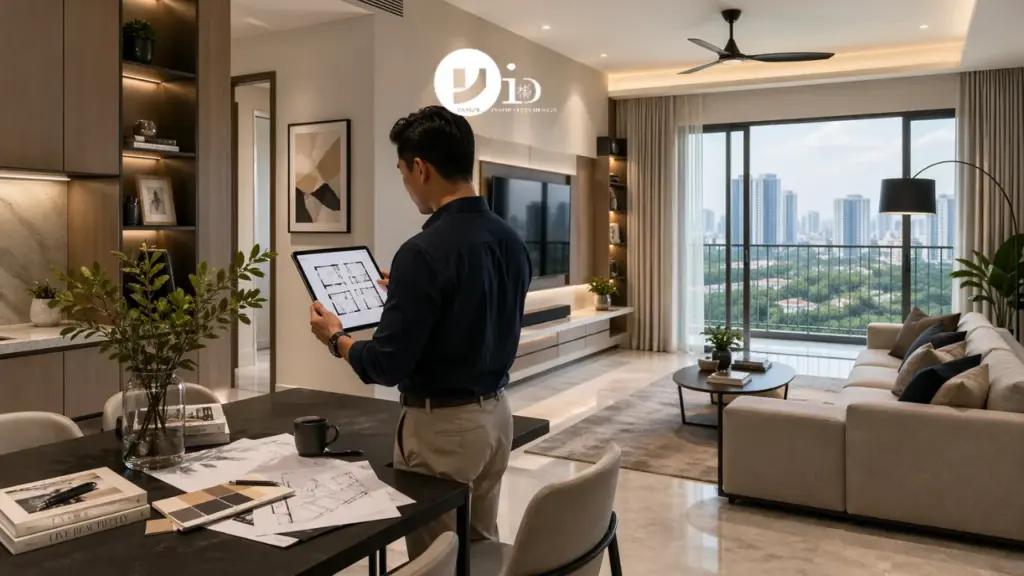
Condominium interior design in Singapore operates within a highly specific set of spatial, regulatory, and lifestyle constraints. Unlike landed properties, condo units are defined by fixed structural grids, limited floor areas, and shared building systems, conditions that demand a more deliberate and strategic design approach.
For homeowners, the challenge is rarely about aesthetics alone. The real complexity lies in aligning layout efficiency, storage integration, and design language within a compact footprint, while still achieving a sense of openness and personal identity.
This guide explores how condominium interior design should be approached from a planning perspective, examining how layout decisions and style direction must work together to create a cohesive and functional living environment.
Understanding Condo Layout Constraints in Singapore
The starting point for any effective condo interior design is not style, it is spatial logic.
Most Singapore condo units are delivered with pre-defined layouts that include structural walls, service shafts, and fixed wet areas. These constraints limit the extent of structural modification, making layout planning more about optimisation than transformation.
This is where many homeowners misjudge the process. Rather than attempting major reconfiguration, successful designs focus on:
- Enhancing circulation flow
- Reducing spatial fragmentation
- Integrating multi-functional zones
For instance, open-plan living is often introduced not as a stylistic choice, but as a spatial strategy to visually expand the unit. Similarly, built-in carpentry is less about luxury and more about reclaiming otherwise unusable gaps.
A deeper exploration of how zoning can improve usability is outlined in this discussion on creating a multifunctional space, which reflects how modern condo layouts increasingly prioritise flexibility over rigid room definitions.
Ultimately, layout planning in Singapore condominiums is about working with constraints rather than against them, setting the foundation for all subsequent design decisions.
Space Optimisation as a Core Design Principle
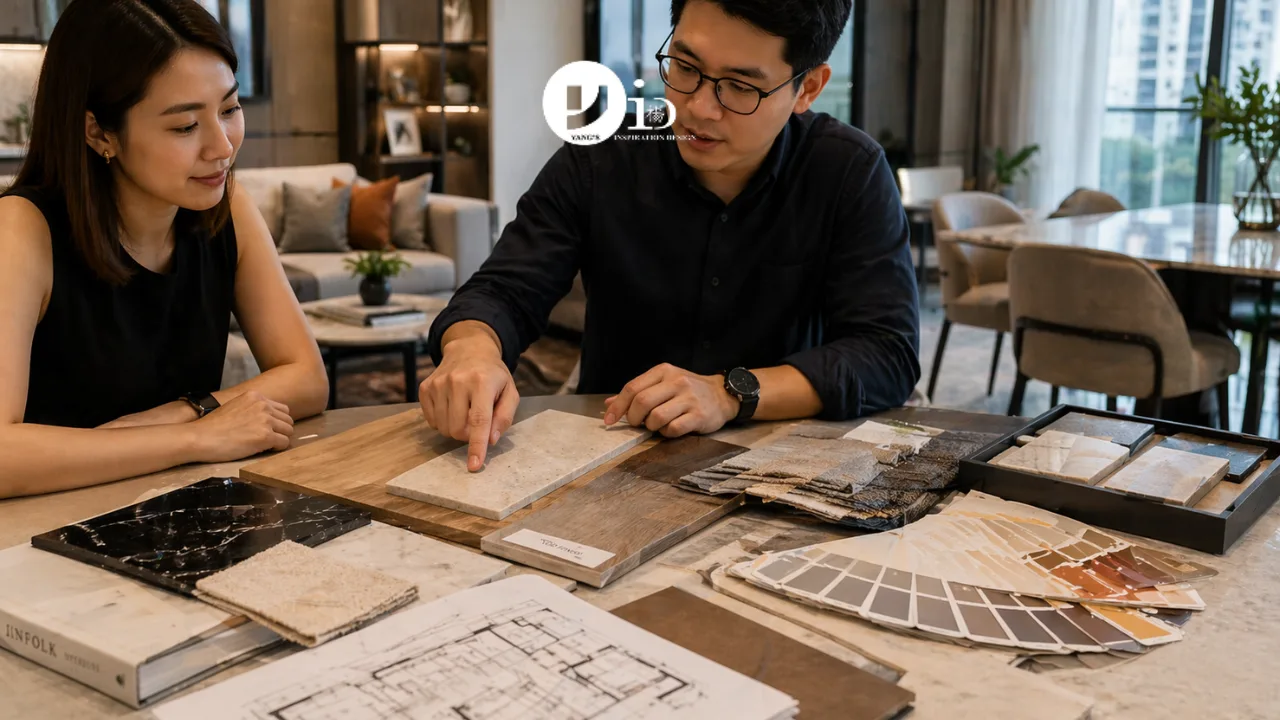
Given the relatively compact size of most Singapore condo units, space optimisation is not an enhancement, it is a necessity.
However, optimisation should not be mistaken for simply adding more storage. Poorly planned storage can visually compress a space, making the home feel smaller despite increased functionality.
Instead, effective condo interior design applies three key principles:
- Integrated Storage Systems
Built-in cabinetry should be seamlessly incorporated into walls, often blending with finishes to reduce visual clutter. Concepts explored in built-in storage solutions for living areas demonstrate how storage can become part of the architectural language rather than an afterthought. - Vertical Utilisation
Height is frequently underutilised in condo units. Extending storage upwards not only increases capacity but also draws the eye vertically, creating a perception of height. - Multi-Functional Furniture
Furniture selection must respond to spatial limitations. Extendable dining tables, concealed workstations, and modular seating allow spaces to adapt throughout the day.
For smaller units, especially studio layouts, strategies discussed in small condo decorating approaches highlight how spatial layering can replace traditional room divisions.
In essence, optimisation is not about fitting more into the space, it is about designing the space to perform more intelligently.
Defining Style Direction in Modern Condominium Interior Design
Once spatial efficiency is established, style direction can be introduced with clarity and purpose.
In Singapore, modern condominium interior design trends often gravitate towards:
- Minimalist and Scandinavian influences
- Japandi hybrid aesthetics
- Contemporary neutral palettes
However, selecting a style is not simply a matter of preference. It must align with spatial conditions.
For example, minimalist design works particularly well in small condominium interior design because it reduces visual noise. Similarly, lighter colour palettes, discussed in best colour strategies for small condos , enhance light reflection and spatial perception.
More importantly, consistency is critical. A fragmented style approach can disrupt visual continuity, making spaces feel disjointed.
Homeowners exploring broader design directions may benefit from understanding foundational frameworks outlined in interior design styles , which clarify how different aesthetics influence spatial experience.
In condominium environments, style is not purely decorative, it is a tool for reinforcing spatial clarity.
Functional Zones and Lifestyle Alignment
Beyond layout and style, condominium interior design must ultimately support daily living patterns.
This requires careful consideration of how each zone functions within the home:
- Living areas must balance social interaction and relaxation
- Kitchens must accommodate both efficiency and maintenance
- Bedrooms must prioritise rest and privacy
In Singapore, where many homeowners adopt hybrid work arrangements, the integration of workspace within residential zones has become increasingly important. This often leads to the creation of flexible study corners or concealed workstations.
Similarly, kitchen design in condos must respond to both space limitations and usage habits. Insights from condo kitchen planning ideas show how layout configurations and material choices influence both usability and upkeep.
The key is alignment. A visually appealing design that does not support daily routines will quickly lose its value.
The Interdependence of Layout and Style
A common misconception in condominium interior design is treating layout and style as separate decisions.
In reality, they are deeply interconnected.
A poorly optimised layout cannot be compensated by good styling. Conversely, a well-planned layout can elevate even the simplest design language.
For example:
- Open layouts naturally favour minimalist or contemporary styles
- Compartmentalised layouts may require stronger visual transitions
- Smaller units benefit from cohesive palettes and concealed elements
This interdependence highlights an important planning principle:
Design decisions must be sequenced correctly.
- Spatial analysis
- Layout optimisation
- Functional zoning
- Style articulation
Skipping this sequence often leads to design inconsistencies and compromised usability.
Condominium interior design in Singapore is not defined by trends, it is shaped by spatial intelligence.
From navigating structural constraints to optimising limited square footage, every design decision must be intentional. Style, while important, should emerge from a well-resolved layout rather than precede it.
For homeowners, the goal is not simply to create a visually appealing space, but to develop a home that functions efficiently, adapts to lifestyle needs, and maintains long-term design coherence.
For homeowners seeking a more structured approach to condominium interior design, it becomes essential to align layout planning with style direction from the outset.
A more detailed perspective on how these elements come together can be explored through this condominium interior design planning approach, where spatial strategy and aesthetic clarity are developed as a unified process.


April 15, 2026
Yang's Inspiration Insight