


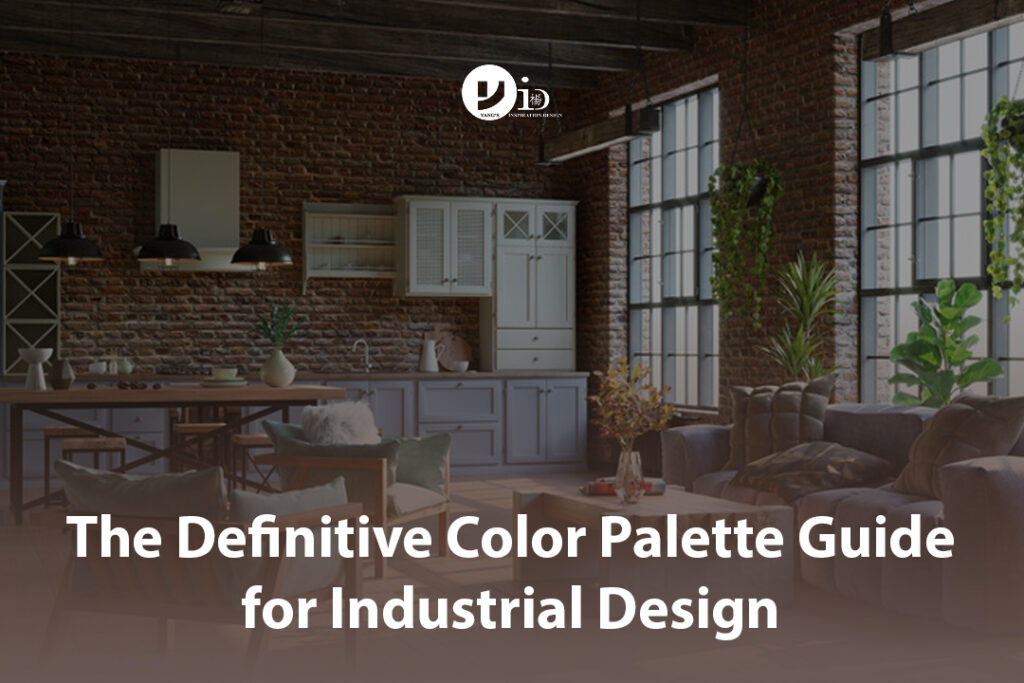
In industrial design, color is not a decoration—it’s a feature. A strategic color palette guide for industrial design is essential because color communicates function, defines the user experience, and builds iconic brands. Far from a final aesthetic touch, color is a core component that can dictate a product’s success or failure. However, choosing the right palette is a complex decision, demanding a delicate balance between aesthetics, psychology, manufacturing constraints, and brand goals. Many designers find themselves overwhelmed by the sheer number of variables. This comprehensive guide provides a step-by-step framework for industrial designers to select and apply color palettes with confidence and strategic intent, turning a challenging task into a powerful design advantage.
Why Color Is a Strategic Tool, Not Just an Aesthetic Choice
Color is the first thing a user notices, and it speaks a language that transcends words. In product design, this language must be fluent, precise, and purposeful. Understanding its strategic value is the first step toward mastering its application.
The Impact on User Perception and First Impressions
Before a user even touches a product, its color has already made an impression. A bright, vibrant product might be perceived as playful and energetic, while a muted, neutral one can feel sophisticated and professional. This initial perception sets the tone for the entire user experience. Consider the sleek, minimalist appeal of Apple’s products, largely defined by their silver, space grey, and white palettes. This color choice communicates premium quality and simplicity before the device is even turned on.
How Color Influences Usability and Interaction
Color is a critical tool for creating intuitive interfaces and guiding user actions. It can be used to:
- Highlight Key Functions: A bright red emergency stop button on machinery or a green “start” button on a device uses color to immediately communicate function and priority.
- Organize Information: Color-coding can group related functions or differentiate between various states (e.g., blue for a cool setting, orange for a warm setting on a thermostat).
- Improve Accessibility: High-contrast color pairings ensure that text and icons are legible for users with visual impairments, making products more inclusive.
Color as a Cornerstone of Brand Identity and Recognition
Some brands are so intertwined with their colors that they are instantly recognizable. The yellow and black of DeWalt power tools scream durability and power, while the iconic “Tiffany Blue” is synonymous with luxury and elegance. A consistent and strategic color palette builds brand equity, creating a powerful visual shortcut in the consumer’s mind that reinforces brand values and fosters loyalty. This visual identity is a key part of the history of industrial aesthetic, where function and form create lasting appeal.
Mastering the Fundamentals: Color Theory for Product Designers
To build an effective palette, a solid grasp of color theory is non-negotiable. These fundamentals provide the rules and language for creating combinations that are not just beautiful, but also effective.
The Color Wheel: A Quick Refresher on Primary, Secondary, & Tertiary Colors
The color wheel is the foundation of color theory.
- Primary Colors: Red, yellow, and blue are the core colors from which all others are mixed.
- Secondary Colors: Green, orange, and purple are created by mixing two primary colors.
- Tertiary Colors: These are made by mixing a primary and a secondary color, resulting in hues like blue-green or red-orange.
Understanding Key Color Properties: Hue, Saturation, and Value (HSV)
Every color can be defined by three properties:
- Hue: This is the pure color itself (e.g., red, blue, green).
- Saturation: This refers to the intensity or purity of the hue. A highly saturated color is vibrant and bold, while a desaturated color is more muted and greyish.
- Value: This is the lightness or darkness of a color. Adding white creates a “tint,” while adding black creates a “shade.”
Color Harmony: Creating Visually Pleasing and Effective Palettes
Color harmony is the art of combining colors in a way that is pleasing to the eye. The goal isn’t just to avoid clashing, but to create a specific mood or message. A harmonious palette feels balanced and intentional, whether it’s designed to be calming and subtle or energetic and high-contrast.
Essential Color Schemes with Real-World Product Examples

Several tried-and-true schemes provide a starting point for building a harmonious palette.
Monochromatic: Evoking sophistication
A monochromatic scheme uses variations in value and saturation of a single hue. This creates a clean, elegant, and cohesive look.
- Example: Braun’s kitchen appliances often use a palette of black, greys, and silver, conveying timeless sophistication and precision engineering.
Analogous: Creating harmony and unity
This scheme uses colors that are adjacent to each other on the color wheel (e.g., blue, blue-green, and green). It creates a serene and comfortable design.
- Example: Many medical devices utilize blue and green hues to create a sense of calm, trust, and cleanliness.
Complementary: Delivering high contrast and energy
Complementary colors are directly opposite each other on the color wheel (e.g., yellow and purple, blue and orange). This high-contrast combination is vibrant and attention-grabbing.
- Pro-Tip: When using a complementary scheme, use one color as the dominant and the other as a small accent to avoid visual clashes and create a strong focal point.
- Example: DeWalt power tools masterfully use a yellow and black (a neutral that functions like a complement) scheme to convey energy, visibility, and ruggedness on a busy job site.
Triadic: For vibrant and dynamic products
A triadic scheme uses three colors that are evenly spaced on the color wheel. It offers strong visual contrast while retaining balance and is often perceived as playful and dynamic.
- Example: Classic children’s toys, like a Fisher-Price activity center, often use a primary triadic scheme (red, yellow, blue) to create a fun and stimulating experience.
The Psychology of Color in Product Design
Color choices have a profound psychological impact, influencing a user’s emotions, perceptions, and even their actions. A strategic color palette guide for industrial design must account for these subconscious associations to create products that resonate on a deeper level.
Evoking Emotion: Using Warm, Cool, and Neutral Tones Strategically
Different color families evoke distinct emotional responses.
Red, Orange, Yellow: Energy, Urgency, and Attention
Warm colors are associated with passion, energy, and action.
- Red often signifies importance, urgency, or warning (e.g., stop signs, sale tags). In products, it can be used for key action buttons or to create an exciting feel.
- Orange is seen as friendly, cheerful, and confident. It’s less aggressive than red and can be used to create a call-to-action that feels encouraging.
- Yellow is the most visible color and is associated with optimism and attention. It’s effective for safety equipment or products that need to stand out.
Blue, Green: Trust, Calm, and Nature
Cool colors are generally calming and are associated with trustworthiness and nature.
- Blue is a corporate favorite, conveying reliability, security, and intelligence. It’s widely used in tech and financial products to build user trust.
- Green is linked to nature, health, and tranquility. It’s a natural choice for eco-friendly products, health devices, or anything meant to feel restorative.
Black, White, Grey: Sophistication, Simplicity, and Modernity
Neutral tones provide a foundation for other colors and carry their own powerful meanings.
- Black is associated with power, luxury, and sophistication. It can make products feel premium and timeless.
- White represents simplicity, cleanliness, and modernity. It’s often used in minimalist designs to create a sense of space and focus.
- Grey is a versatile neutral that can be seen as classic, practical, and mature. It provides a stable background that allows accent colors to shine.
The Role of Cultural Significance in a Global Market
Color meanings are not universal. What is seen as positive in one culture may be negative in another. For example, while white is associated with purity and weddings in Western cultures, it is often linked to mourning in many Eastern cultures. A product designed for a global market must consider these cultural nuances to avoid sending the wrong message. Thorough research into the target market’s cultural color associations is a critical step in the design process.
Aligning Your Palette with Brand Values and Target Audience
Ultimately, the color palette should be a direct reflection of the brand’s personality and the values of its target audience. A brand targeting young, active users might opt for a vibrant, energetic palette. In contrast, a brand focused on high-end luxury goods would likely choose a more subdued and sophisticated palette. The colors you choose should speak the same language as your brand and resonate with the consumers you want to attract.
Practical Application: A Step-by-Step Guide to Building Your Palette
Moving from theory to practice requires a structured approach. This section provides actionable steps for applying color theory and psychology to your product designs.
Start with the Core: The 60-30-10 Rule for Visual Balance
Borrowed from interior design styles, the 60-30-10 rule is a simple yet powerful framework for creating a balanced and visually appealing color composition on a product.
- 60% Dominant Hue: This is the main color of the product and sets the overall tone. It’s typically applied to the largest surface areas, like the main body or housing.
- 30% Secondary Color: This color supports the dominant hue and creates visual interest. It’s often used for key features, grips, or secondary panels.
- 10% Accent Color: This is the pop of color used to draw attention to important elements. It is perfect for buttons, logos, indicator lights, and other highlights.
The Critical Link Between Color, Material, and Finish (CMF)
Color does not exist in a vacuum. Its appearance is dramatically altered by the material it’s applied to and the finish it’s given. This interplay, known as CMF, is where a product’s tactile and visual identity truly comes to life.
How texture (matte, gloss, brushed) alters color perception
The same color can look vastly different depending on its finish.
- Glossy finishes reflect light, making colors appear brighter and more saturated. They can feel sleek and modern but are prone to showing fingerprints.
- Matte finishes diffuse light, giving colors a softer, more subdued appearance. They feel sophisticated and are excellent at hiding surface imperfections.
- Brushed or textured finishes add physical depth, creating highlights and shadows that change how the color is perceived as the product moves.
Complementing raw materials like wood, metal, and concrete

When working with raw materials, the color palette should enhance their natural beauty. Earthy tones can complement the warmth of wood, while cool greys and blues can accentuate the industrial feel of metal and concrete. The goal is to create a harmonious relationship between the applied colors and the inherent colors of the materials. This is particularly relevant in spaces like kitchens, where you might see industrial kitchen lighting ideas paired with raw material countertops.
Prioritizing Functionality: Contrast, Legibility, and Accessibility
A beautiful palette is useless if it hinders functionality.
- Contrast and Legibility: Ensure there is sufficient contrast between text/icons and their backgrounds to meet accessibility standards (WCAG guidelines are a great starting point). This is crucial for user interface elements.
- Affordance: Use color to suggest how an object should be used. For example, a soft-touch grey material might indicate a grip point, while a smooth, bright color might indicate a button to be pressed.
Testing and Iteration: Why You Must Test Your Palette in Real-World Conditions
Colors that look perfect on a calibrated monitor can appear completely different in reality. It is absolutely essential to test your CMF choices using physical prototypes. View them under various lighting conditions—from the harsh fluorescent lights of a retail store to the warm, dim light of a living room—to ensure your palette holds up in the environments where the product will actually be used.
From Screen to Factory: Manufacturing’s Impact on Color Selection
A designer’s color choice is only as good as its ability to be replicated in manufacturing. Understanding the constraints and possibilities of different production methods is vital for ensuring the final product matches the initial vision.
Designing for Plastics: Color Consistency in Injection Molding
Injection molding is one of the most common processes for creating plastic parts. Color can be mixed directly into the plastic resin (masterbatch), ensuring it runs all the way through the part. However, achieving perfect color consistency across different batches can be challenging. Factors like pigment dispersion, melt temperature, and even the finish of the mold itself can affect the final appearance.
The Art of Anodizing: Achieving Metallic Sheens on Aluminum
Anodizing is an electrochemical process that creates a durable, corrosion-resistant oxide layer on the surface of aluminum. This layer can be dyed to produce rich, metallic colors that are integral to the metal itself, not just a coating on top. This makes it incredibly durable, but the range of colors is more limited compared to painting, and achieving consistency can be difficult.
Powder Coating vs. Wet Painting: Durability, Texture, and Cost
Both painting and powder coating are common methods for coloring metal parts, each with its own trade-offs.
| Feature | Powder Coating | Wet Painting | Anodizing |
|---|---|---|---|
| Durability | High (Resistant to chipping, scratching) | Medium to High | Very High (Integral part of the metal) |
| Cost | Moderate | Low to High (depends on paint quality) | Moderate to High |
| Material Compatibility | Primarily Metals | Metals, Plastics, Wood, Composites | Aluminum, Titanium, Magnesium |
| Finish Options | Wide range of textures (smooth, wrinkled, matte) | Extremely wide range of colors and finishes | Metallic sheen, matte or satin |
| Environmental Impact | Low (No VOCs) | Higher (Contains solvents/VOCs) | Involves acids and heavy metals |
Specifying Your Colors: Using Pantone, RAL, and Munsell Systems
To ensure color accuracy from design to production, you must use a standardized color system. Sending a manufacturer a simple RGB or CMYK value is not enough.
- Pantone Matching System (PMS): The industry standard for print and product design, offering a vast library of spot colors.
- RAL: A color standard used widely in Europe, especially for paints and powder coatings.
- Munsell: A system that defines colors based on hue, value, and chroma (saturation), often used for scientific and industrial applications.
The Industrial Designer’s Digital Toolkit
While physical testing is key, a host of digital tools can help you explore, generate, and communicate your color palettes effectively during the design phase.
Digital Tools for Palette Generation (Adobe Color, Coolors, Khroma)
- Adobe Color: A powerful tool that integrates with Adobe’s creative suite, allowing you to create and save palettes from images or based on color harmony rules.
- Coolors: A fast and intuitive palette generator that lets you quickly cycle through options, lock colors you like, and make adjustments.
- Khroma: An AI-powered tool that learns which colors you like and generates endless personalized palettes for you to discover.
Using Mood Boards for Inspiration and Communication
A mood board is a collage of images, textures, materials, and colors that defines the overall aesthetic and feel of a product. It’s an invaluable tool for exploring ideas and communicating your design intent to team members and stakeholders before committing to a specific direction.
The Future of Color in Industrial Design
The world of color is constantly evolving, influenced by technology, culture, and environmental consciousness. Staying ahead of these trends is key to creating relevant and forward-thinking products.
Trends in Sustainable and Eco-Conscious Palettes
As sustainability becomes a greater priority, we are seeing a rise in palettes inspired by nature. This includes earthy tones, colors derived from natural pigments, and palettes that highlight the raw, uncolored beauty of recycled or sustainable materials. The focus is on honesty, authenticity, and reducing environmental impact.
Colors for Smart Devices, Wearables, and IoT Products
For products that blend into our lives and homes, color palettes are becoming softer and more integrated. Think less “tech gadget” and more “home accessory.” This involves using muted tones, textile-inspired colors and textures, and palettes that harmonize with modern condo interior design ideas. The color is designed to make technology feel more human and approachable.
The Rise of Personalization and Customizable Palettes
Modern consumers increasingly want products that reflect their personal style. Brands are responding by offering customizable color options, allowing users to choose everything from the main body color to the accent colors of buttons and logos. This trend empowers users and creates a deeper personal connection to the product.
Conclusion
A successful color palette in industrial design is far more than an aesthetic afterthought; it is a thoughtful integration of theory, psychology, and practical manufacturing realities. From making a powerful first impression to guiding user interaction and building a lasting brand identity, color is a strategic tool that defines a product’s very essence. The journey from a digital concept to a physical object is complex, involving a deep understanding of how materials, finishes, and production processes impact the final result.
By mastering the principles outlined in this guide—from color theory and psychology to the practicalities of the 60-30-10 rule and CMF—designers can create products that are not only beautiful but also functional, intuitive, and memorable. This level of expertise, however, often requires experience and a multi-disciplinary team. For those in Singapore looking to translate these complex design principles into a tangible reality for a commercial or residential project, partnering with a firm that has integrated expertise is crucial.
At Yang’s Inspiration Design, we bring this holistic approach to every project. Our in-house team of designers, project managers, and skilled craftspeople ensures that every detail, from the perfect color specification to the final finish, is executed flawlessly. Whether you’re developing a product line or creating a brand-defining space, we have the expertise to guide your vision. Start the conversation and get a free consultation by contacting us on WhatsApp at +65 8855 7575.

February 2, 2026
Yang's Inspiration Insight