


That moment is finally here. You’re holding the keys to your brand-new BTO flat. The feeling is a mix of pure excitement and, let’s be honest, a slightly overwhelming sense of “what’s next?” You have a blank canvas, a fresh start, and the incredible opportunity to create a space that is truly yours. But where do you even begin?
This is your single, most comprehensive roadmap for a successful BTO flat renovation in Singapore. We understand the journey ahead can seem complex for first-time homeowners. That’s why we’ve created this guide to cut through the noise and provide a clear, step-by-step breakdown of everything you need to know.
From mastering the BTO renovation cost and timeline to navigating crucial HDB regulations and finding design inspiration that creates a peaceful sanctuary, consider this your expert companion. Let’s turn that empty unit into your dream home.
Decoding BTO Renovation Costs: A Realistic Budget Breakdown
Setting a realistic budget is the first and most critical step of your renovation journey. While a BTO flat is generally less expensive to renovate than a resale unit due to the absence of major hacking and repair work, costs have evolved. Here’s what you can expect in 2025.
Average Renovation Costs by BTO Flat Size
Based on the latest 2025 industry data for a moderate scope of work—including essential carpentry, electrical, and finishing works—here are the estimated costs.
| BTO Flat Size | Estimated Renovation Cost (2025) |
|---|---|
| 3-Room Flat | S$40,000 – S$53,000 |
| 4-Room Flat | S$51,000 – S$61,800 |
| 5-Room Flat | S$60,000 – S$75,000 |
Note: These figures exclude appliances, loose furniture, and smart home systems. The final cost depends heavily on material choice and the complexity of your design.
The “Big Three”: Where Does Your Money Really Go?
Understanding where your budget is allocated helps in making informed decisions. For most BTO flat renovations, the cost is concentrated in three main areas.

- Carpentry (40-50%): This is the largest expense and the most impactful element of your home’s design. It covers all custom-built items like kitchen cabinets, full-height wardrobes, TV consoles, feature walls, and platform storage beds. The cost is driven by the sheer amount of material and skilled labour required.
- Masonry/Wet Works (10-20%): This category includes tiling, waterproofing, and cement screeding. Even if you keep your HDB-provided bathroom tiles, you might still budget for kitchen backsplashes, floor overlays in the living room, or building shower kerbs.
- Electrical & Lighting (10-15%): This involves running new electrical points for appliances, installing light fixtures (downlights, pendant lights), and data points. It also includes the labour cost for a Licensed Electrical Worker (LEW), which is mandatory.
Don’t Get Caught Out: Hidden Costs to Factor Into Your Budget
A common pitfall for first-timers is overlooking the “miscellaneous” costs that can quickly add up. Be sure to account for these:
- Permit Fees: Application fees for HDB permits.
- Haulage & Debris Disposal: The cost of transporting materials up to your unit and clearing all renovation debris.
- Chemical Washing: A professional post-renovation cleaning to remove stubborn stains, cement residue, and dust.
- Contingency Fund (10-15%): This is non-negotiable. Set aside 10-15% of your total budget for unforeseen issues or last-minute changes of mind. This buffer will save you immense stress.
The Optional Component Scheme (OCS): How Your Choice Affects Your Budget
During your HDB flat selection, you would have decided whether to opt into the OCS. This choice directly impacts your renovation budget. The OCS provides basic finishes like flooring, internal doors, and sanitary fittings.
- Keeping OCS Items: This is the most cost-effective option. You save thousands on hacking, tiling, and purchasing new doors and fittings, allowing you to allocate more budget to carpentry and furnishings.
- Replacing OCS Items: If you desire a different aesthetic, you’ll need to budget for the cost of hacking the existing tiles (if regulations permit), laying new ones, and purchasing all-new components. This significantly increases the masonry and plumbing portion of your budget.
Actionable Checklist: Your BTO Renovation Budget Planner
To help you stay on track, use this simple checklist. Copy and paste it into a spreadsheet to manage your expenses.
- Category: Pre-Renovation
- Interior Designer/Contractor Fees: _____
- HDB Permit Fees: _____
- Category: Demolition & Masonry
- Hacking Works (if any): _____
- Tiling (Floors/Walls): _____
- Waterproofing & Screeding: _____
- Category: Carpentry
- Kitchen Cabinets & Countertop: _____
- Wardrobes: _____
- TV Console / Feature Wall: _____
- Other Built-ins (e.g., shoe cabinet): _____
- Category: Utilities
- Electrical Works (New points, lighting installation): _____
- Plumbing Works (Installation of sinks, taps, heaters): _____
- Air-Conditioning System: _____
- Category: Finishes
- Painting: _____
- Doors & Windows/Grilles: _____
- False Ceiling / Plastering: _____
- Category: Miscellaneous
- Haulage & Debris Disposal: _____
- Professional Cleaning / Chemical Wash: _____
- Sub-Total: _____
- Contingency Fund (15% of Sub-Total): _____
- GRAND TOTAL: _____
The BTO Renovation Timeline: From Key Collection to Move-In Day
A well-planned timeline is your best defence against delays and stress. A typical BTO flat renovation takes between 3 to 5 months from key collection to moving in. This is broken down into three distinct phases.
Phase 1: The Crucial Pre-Renovation Stage (4-8 Weeks)
This is the planning phase. What you do here sets the foundation for the entire project. Do not rush this stage.
- Step 1: Finalising Your Budget & Securing Loans: Solidify your total budget and get pre-approval for any necessary renovation loans.
- Step 2: Selecting your Interior Designer (ID) or Contractor: Research, interview, and select your renovation partner. A good fit in communication and style is crucial.
- Step 3: Design Finalisation: This is an intensive period of discussion with your ID. You’ll review 3D renders, select materials (laminates, tiles, countertops), and sign off on all carpentry drawings.
- Step 4: HDB Permit Application & Approval: Your HDB-licensed contractor will submit all necessary drawings and plans to HDB. Approval can take up to 3 weeks, so this must be factored in. No work can legally start before this approval is granted.
Phase 2: Renovation Works in Progress (8-12 Weeks) – A Week-by-Week Look
Once the permit is approved, the physical work begins. The duration largely depends on the complexity of your carpentry and wet works.
- Weeks 1-2: Site Protection, Wet Works: The first steps involve protecting the OCS flooring and windows you intend to keep. This is followed by any approved hacking, plumbing, and tiling works for the kitchen and bathrooms.
- Weeks 3-4: Electrical Work, False Ceiling & Plastering: Electricians will run the wiring for your lighting and power points. If you’ve opted for a false ceiling, the framework will be installed, followed by plastering to smoothen out the walls.
- Weeks 5-8: Carpentry Fabrication (Off-site) and Painting: This is often the longest stretch. Your custom cabinets and wardrobes are fabricated at your ID firm’s workshop. While this happens, painters will come in to apply the first coats of paint to your walls and ceilings.
- Weeks 9-10: Carpentry & Fittings Installation: The completed carpentry is delivered and installed. This is when your flat starts to truly look like the 3D renders. Electricians and plumbers will return to install light fixtures, ceiling fans, sinks, taps, and sanitary ware.
- Weeks 11-12: Final Touches, Glasswork, and Professional Cleaning: Installation of glass panels (e.g., shower screens, kitchen splashbacks), final touch-ups on paint and carpentry, followed by a thorough professional cleaning.
Phase 3: Post-Renovation & The Final Handover (1-2 Weeks)
The final lap! This phase is about inspection and preparing to move in.
- Joint Inspection: You and your ID will walk through the entire flat to check for any defects or issues that need rectification.
- Defect Checking: Meticulously check all workmanship, from tile grout to cabinet alignment.
- Final Payment & Handover: Once you are satisfied with the rectifications, the final payment is made, and the home is officially handed over to you.
Common Delays and How to Proactively Avoid Them
- Delayed Material Shipments: Mitigate this by finalising all material selections early with your ID, who can then place orders well in advance.
- Permit Issues: Work with an experienced, HDB-licensed firm like Yang’s Inspiration Design that understands the submission process thoroughly, preventing back-and-forth with the authorities.
- Changes of Mind: Avoid making major design changes after work has commenced, as this can cause a domino effect of delays and increase costs. Lock in your decisions during Phase 1.
HDB Renovation Guidelines Demystified: The Dos and Absolute Don’ts
Adhering to HDB’s rules is not optional—it’s essential for ensuring the structural safety of your block and a smooth renovation process. As an HDB Licensed Contractor, we navigate these rules daily. Here are the key points you must know.
The Golden Rules: Structural Walls, Hacking, and Permits
- Hacking Structural Walls is Strictly Forbidden: You cannot, under any circumstances, tamper with, hack, or drill into any load-bearing walls, columns, or beams. These are clearly marked on your BTO floor plan.
- An HDB-Licensed Contractor is Mandatory: Only contractors listed on the HDB’s Directory of Renovation Contractors (DRC) are authorised to carry out renovations and apply for permits on your behalf.
Understanding the 3-Year Waterproofing Restriction for Bathrooms
This is one of the most important rules for new BTO owners. HDB states that you are not allowed to hack or replace the floor and wall tiles in your bathrooms and toilets for the first three years from the block’s completion date. This is to allow the waterproofing membrane beneath the tiles to stabilise.
- Approved Alternatives: If you dislike the default tiles, you can consider:
- Overlaying with new tiles: This is permitted if the total thickness of the new tiles and adhesive does not exceed HDB’s limits.
- Using epoxy paint: A durable, waterproof paint that can change the colour and look of your existing tiles.
Permitted Working Hours & Noise Control Regulations
Be a considerate neighbour by ensuring your contractor adheres to these timings.
- General Renovation: Monday to Saturday, 9:00 AM to 6:00 PM. No work is allowed on Sundays and Public Holidays.
- Noisy Works: Activities like hacking, drilling, and grinding are restricted to Monday to Friday, 9:00 AM to 5:00 PM only.
Key Regulations for Flooring, Windows, and Electrical Work
- Flooring: The total thickness of your floor finish (e.g., tiles or vinyl overlay) cannot exceed a specified limit. For raised platforms, the height is generally restricted to 50mm.
- Windows: Any replacement of windows or installation of grilles must comply with HDB’s specific designs and safety standards.
- Electrical Work: All electrical work must be carried out and certified by a Licensed Electrical Worker (LEW).
Quick Checklist for HDB Permit Requirements
Some works require a permit, while others do not. Here’s a quick guide:
- Works That ALWAYS Require a Permit:
- Hacking or demolition of any walls (non-structural)
- Replacing floor finishes in any area
- Replacing window grilles or windows
- Any plumbing work that alters the original piping
- Works That DO NOT Require a Permit:
- Painting walls
- Installing built-in cabinets (as long as they don’t alter the structure)
- Installing light fixtures or replacing power sockets
2026 BTO Design Ideas: Creating a Home That Feels Like a Retreat
In 2026, the trend is moving away from stark, cold interiors and towards “Quiet Interiors”—spaces that feel warm, textured, and deeply calming. This is especially relevant for BTO flats, where creating a sense of serenity and space is paramount. Two styles that perfectly capture this ethos are Japandi and Wabi-sabi.
The Rise of “Quiet Interiors”: Why Japandi and Wabi-sabi are Perfect for BTOs
After a long day, you want to come home to a sanctuary, not a showroom. Japandi and Wabi-sabi focus on creating a peaceful atmosphere through natural materials, thoughtful simplicity, and a clutter-free environment. They are brilliant for BTOs because their principles naturally enhance smaller spaces, making them feel larger, brighter, and more tranquil.
Japandi Style Guide: Blending Scandinavian Function with Japanese Minimalism
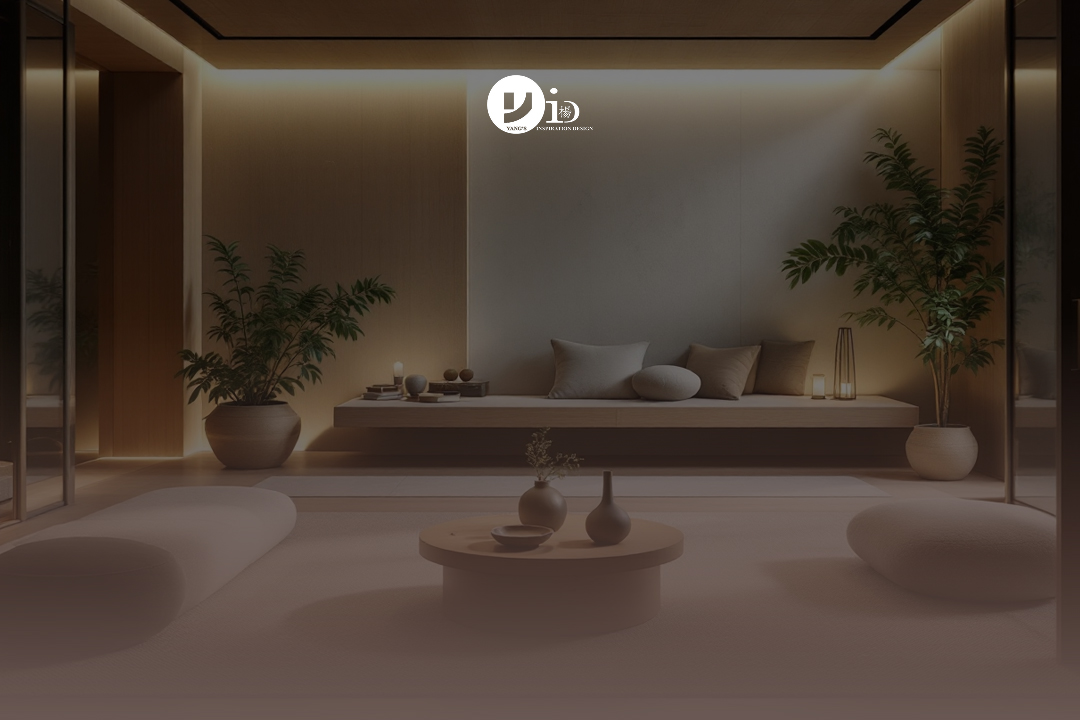
Japandi is the beautiful marriage of Scandinavian “hygge” (cosiness) and Japanese minimalism. It’s about functional, uncluttered living without sacrificing warmth and comfort.
- Palette: Warm whites, soft greys, beige, and muted earth tones. The light colour scheme helps to bounce light around a BTO, creating an airy and spacious feel.
- Materials: Light-toned woods like ash, birch, and light oak are central. These are paired with natural fabrics like linen and cotton, along with rattan accents for texture.
- Key Feature: Seamless, integrated carpentry is the hero. Full-height cabinets that blend into the walls, handle-less doors, and multi-functional furniture keep the space looking clean and organised, which is essential for a clutter-free BTO flat.
Wabi-sabi Style Guide: Embracing Imperfection and Natural Textures
Wabi-sabi is a philosophy that finds beauty in imperfection, authenticity, and the natural cycle of life. It’s about creating a home that feels soulful, honest, and deeply connected to nature.
- Palette: Earthy and grounded tones dominate. Think terracotta, moss green, charcoal grey, and deep browns. These colours create a cosy, enveloping atmosphere.
- Materials: Texture is everything. Limewash paint provides a soft, chalky finish to walls. Textured laminates, raw or reclaimed wood, and concrete-look tiles add depth and character.
- Key Feature: A focus on authenticity and organic forms. Furniture may have live edges, pottery is often handmade, and textiles are natural and slightly rustic. It’s about choosing items that will age gracefully and tell a story over time.
Space-Maximising Hacks for Every BTO Room
- Living Room:
- Multi-functional Furniture: Choose a coffee table with hidden storage or a sofa bed for guests.
- Wall-Mounted Console: A floating TV console frees up floor space, making the room feel larger.
- Kitchen:
- Vertical Storage: Use full-height cabinets to draw the eye upward and maximise storage capacity.
- Pull-Out Systems: Install pull-out pantries and corner systems to make every inch of your cabinet space accessible.
- Bedrooms:
- Platform Beds: A custom platform bed with built-in drawers provides an enormous amount of storage without taking up extra floor space.
- Mirrored Wardrobe Doors: Mirrors are a classic trick to create the illusion of a larger, brighter room.
How to Choose Your Perfect Renovation Partner
Your choice of an Interior Designer (ID) or contractor can make or break your renovation experience. It’s crucial to find a reliable, experienced, and trustworthy partner.
ID vs. Contractor vs. Design-and-Build: What’s the Real Difference?
| Partner Type | Best For | Pros | Cons |
|---|---|---|---|
| Interior Designer (ID) | Homeowners who need design expertise, 3D visuals, and full project management. | One-stop solution, provides design concepts, manages contractors, ensures quality control. | Higher cost due to design and management fees. |
| Contractor | Homeowners who have a clear design plan and can manage the project themselves. | Lower cost as you are not paying for design services. | Requires you to coordinate all subcontractors, no design input, risk of miscommunication. |
| Design-and-Build | Homeowners looking for a balanced, integrated approach. | (This is Yang’s Inspiration Design’s model) Seamless process from design to build, in-house teams (carpentry, tiling) ensure better quality control and accountability. | Less flexibility to choose your own subcontractors. |
Your 5-Step Checklist for Vetting Potential IDs
- Verify HDB License & Accreditations: Check if they are on the HDB’s DRC list. Look for CaseTrust-RCMA accreditation, which protects your deposit and ensures fair practices. (Yang’s Inspiration Design is proud to be accredited for both).
- Scrutinise their BTO-Specific Portfolio: Don’t just look at beautiful photos of landed properties. Ask to see completed BTO projects similar in size to yours. This proves they understand the unique constraints and potential of HDB flats.
- Read Recent, Detailed Reviews: Look for reviews that talk about the process, not just the end result. How was their communication? How did they handle unexpected issues?
- Assess Communication Style and Chemistry: This is a long-term partnership. Do you feel comfortable with the designer? Do they listen to your needs, or are they pushing their own agenda?
- Compare Itemised Quotations, Not Just the Final Price: A detailed, itemised quotation allows you to see exactly what you’re paying for. A vague, lump-sum price is a major red flag. Compare apples to apples.
Red Flags to Watch Out For Before Signing a Contract
- Vague Quotations: If the quote says “Kitchen Cabinetry – $8,000” without specifying length, materials, or internal mechanisms, ask for a detailed breakdown.
- High-Pressure Sales Tactics: A good firm will give you time to consider the proposal. Be wary of “today-only” discounts designed to rush you into a decision.
- Unusually Low Prices: If a quote seems too good to be true, it probably is. This could mean they are using substandard materials, cutting corners on labour, or will surprise you with hidden costs later.
Your Post-Renovation Action Plan: The Final Handover
You’re almost at the finish line! Before you make the final payment and pop the champagne, a thorough inspection is crucial.
The Essential Defect Inspection Checklist
Go through your new home with a fine-toothed comb and a roll of masking tape to mark any issues.
- Plumbing: Turn on all taps and showers to check for water pressure and leaks under the sinks. Flush toilets to ensure they work correctly.
- Electrical: Test every single power socket and light switch.
- Carpentry: Open and close all cabinet doors and drawers to check for smooth operation and proper alignment. Look for any scratches or chips in the laminate.
- Paint Finishes: Inspect walls and ceilings under good lighting for uneven patches, cracks, or paint drips.
- Tiling: Check for hollow-sounding tiles by tapping on them gently. Inspect grout lines to ensure they are neat and consistent.
Managing Final Payments and Warranty
Most renovation contracts will have a final payment milestone upon completion (e.g., the last 10-15%).
- Do not make the final payment until all major defects you’ve identified have been rectified to your satisfaction.
- Clarify the warranty period for different types of work. At Yang’s Inspiration Design, we stand by our quality with a lifetime workmanship warranty, giving our clients ultimate peace of mind.
Conclusion: Your Dream BTO Awaits
Your BTO flat renovation is so much more than a construction project; it’s the exciting first step in building a life in your new home. While the process can feel complex, success hinges on three core pillars:
- Meticulous Planning: A well-researched budget and a realistic timeline are your best friends.
- HDB Compliance: Understanding and respecting the rules from the start will save you from costly headaches.
- A Clear Design Vision: Knowing what you want—be it the serene calm of Japandi or the earthy honesty of Wabi-sabi—guides every decision and ensures the final space truly feels like you.
By taking a methodical, informed approach, you can transform this journey from a stressful task into an immensely rewarding experience. Your blank canvas is waiting.
Feeling ready but need expert guidance to bring it all together? Let our BTO specialists help you navigate every step.
Book a no-obligation consultation with Yang’s Inspiration Design. WhatsApp us at 8855 7575 to transform your new flat into a personalised sanctuary you’ll love for years to come.

December 2, 2025
Yang's Inspiration Insight